History
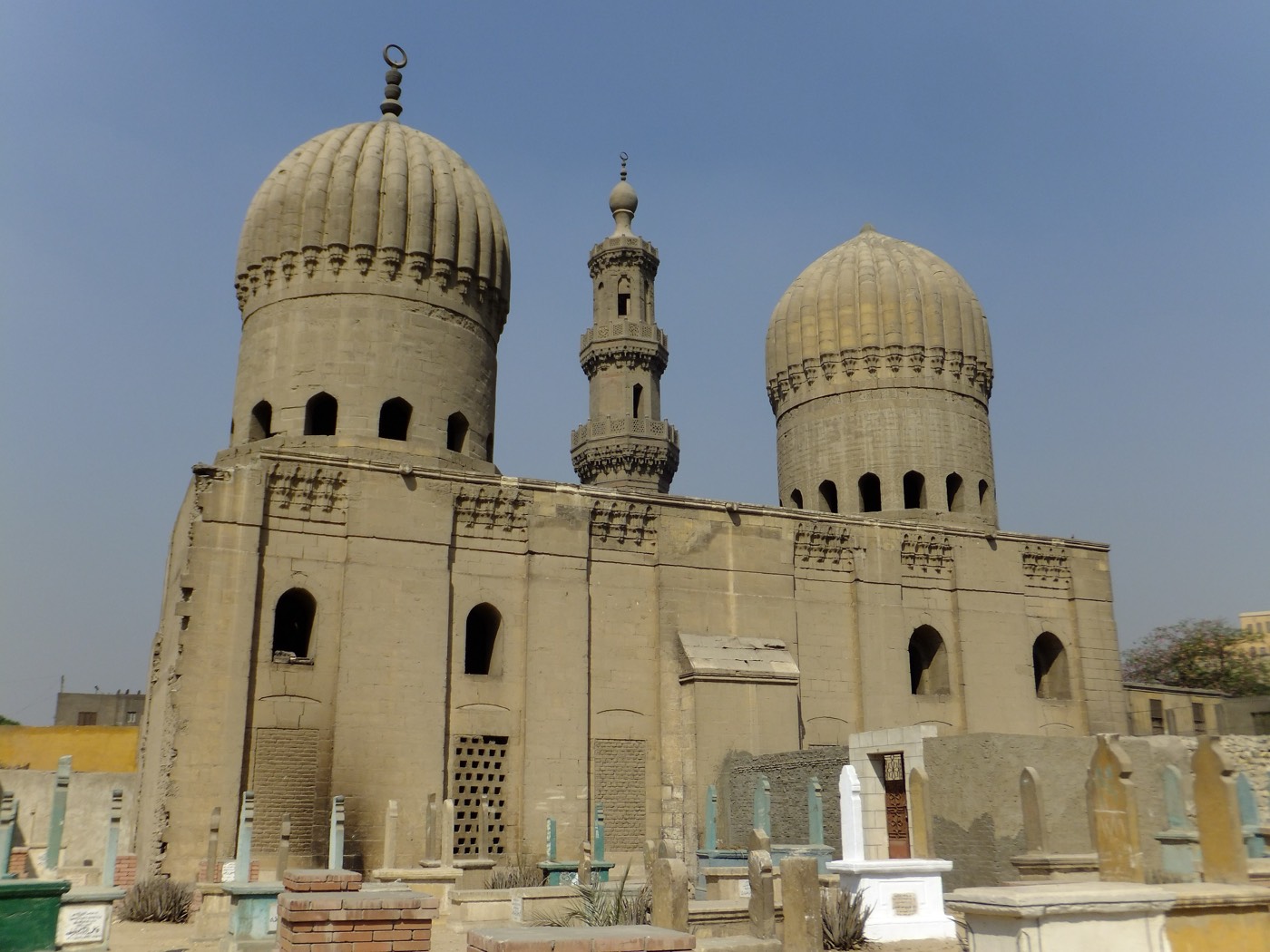
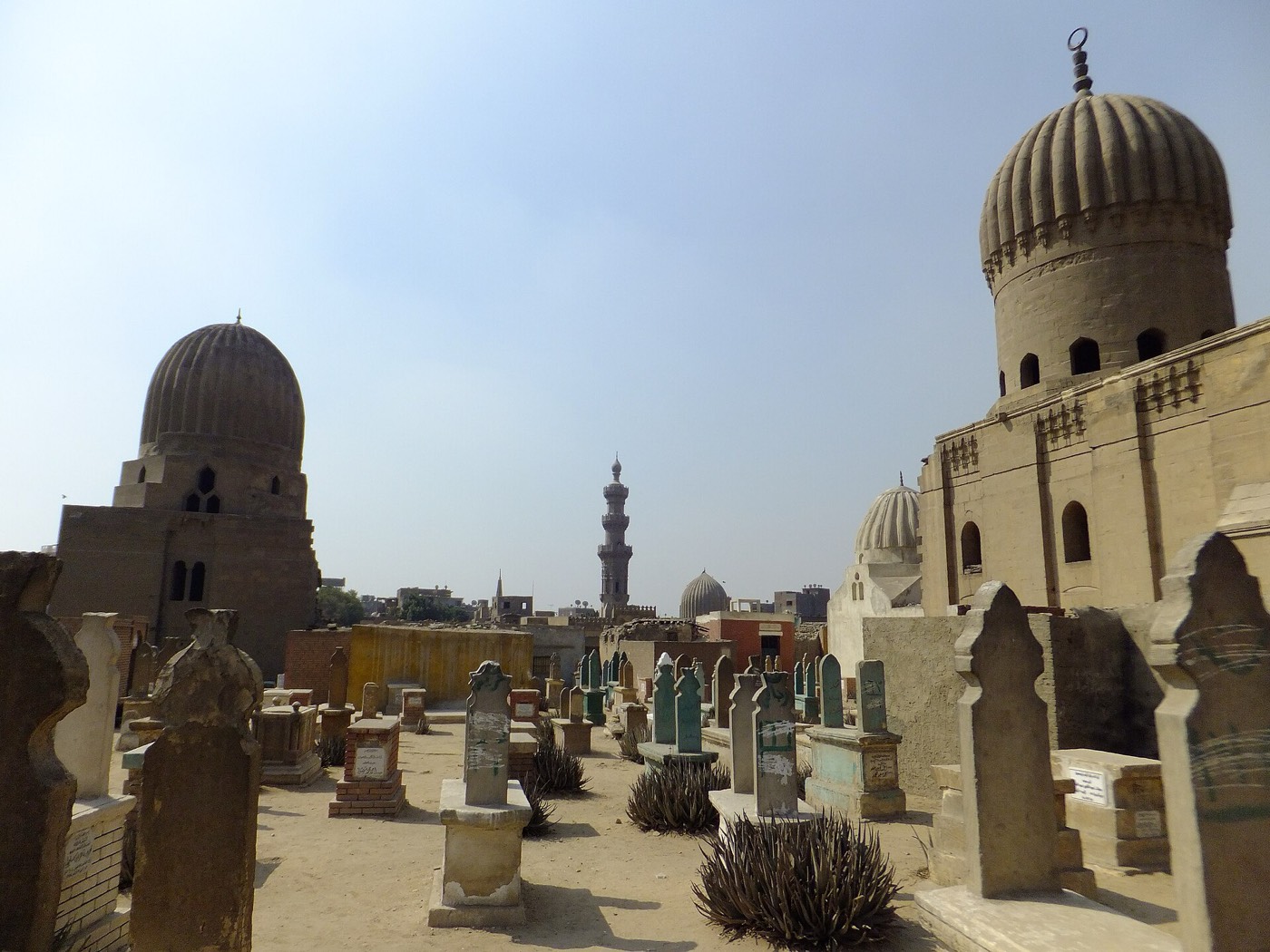
The Sultaniyya stands in the funerary cluster that grew up in the Mamluk period outside Bab al-Qarafa, south of the Citadel, which also includes the complex of the amir Qusun6. CULTNAT places it on Sidi Jalal Street in the Qadiriyya cemetery, near al-Sayyida Aisha4. None of its inscriptions names a patron, and the sources disagree: CULTNAT attributes it to Sultan al-Nasir Hasan, O’Kane’s database to the sultan’s mother, and Nasser Rabbat calls it a royal building of unknown patron4,2,7. Sultan Hasan, a son of al-Nasir Muhammad, reigned twice, in 1347-1351 and 1354-13615.
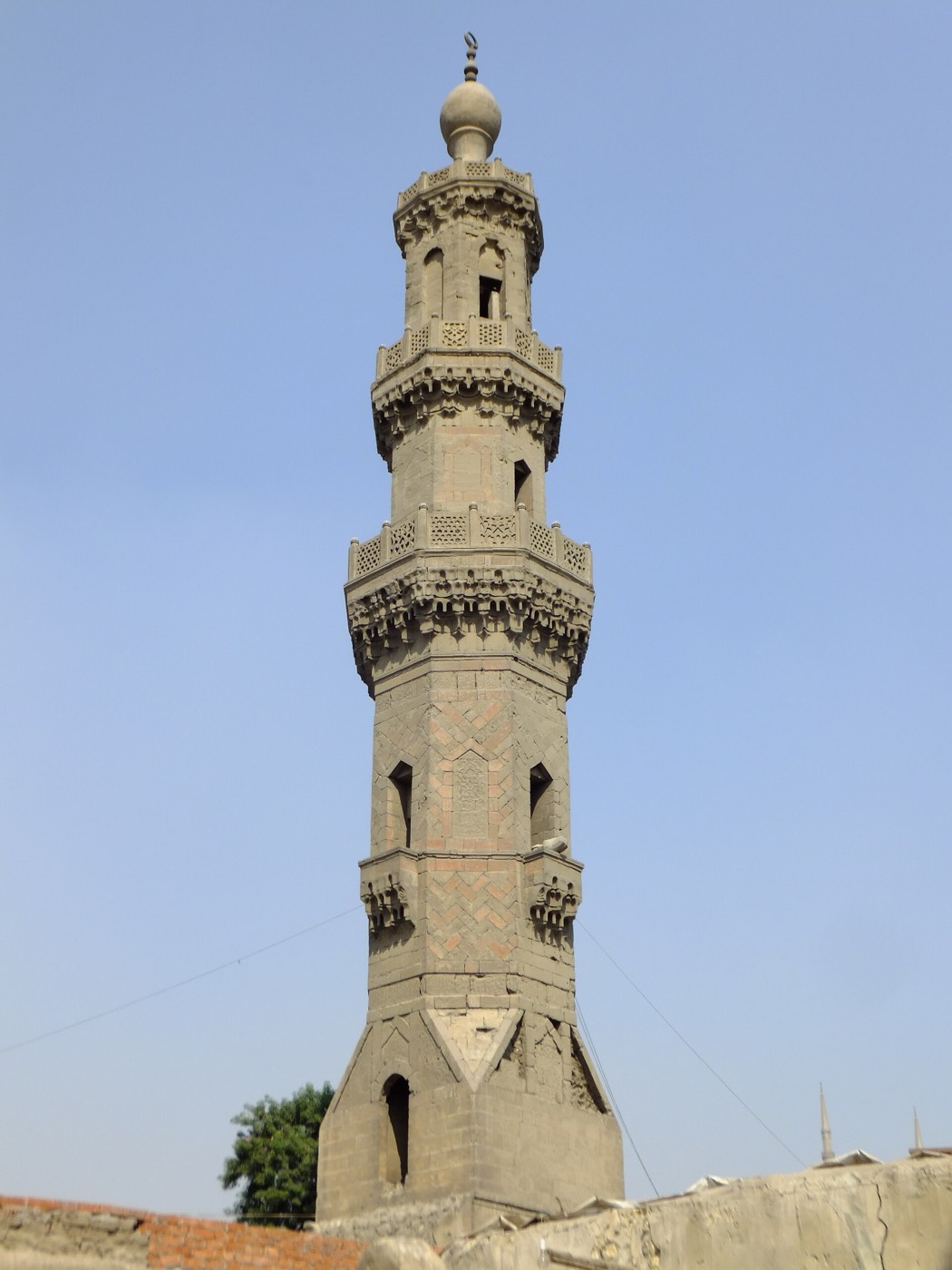
Sultan Hasan’s own madrasa and mausoleum below the Citadel was almost complete when he died in 762 AH (1361), and his son Shihab Ahmad was later buried in its domed tomb5. For the Sultaniyya, O’Kane gives 750-760 AH (1350-1360) for both the tomb and its minaret, and Rabbat the 1360s2,3,7. Creswell (1919) rejected the attribution to Sultan Hasan’s mother, which goes back to the endowment deed of the nearby mosque of Masih Pasha (1578), and dated the building to the second quarter of the 15th century14. Today the remains of the tomb and the minaret are registered as separate monuments, nos. 288 and 289 in CULTNAT’s database; O’Kane’s database numbers them the other way round4,11,2,3.
Architecture
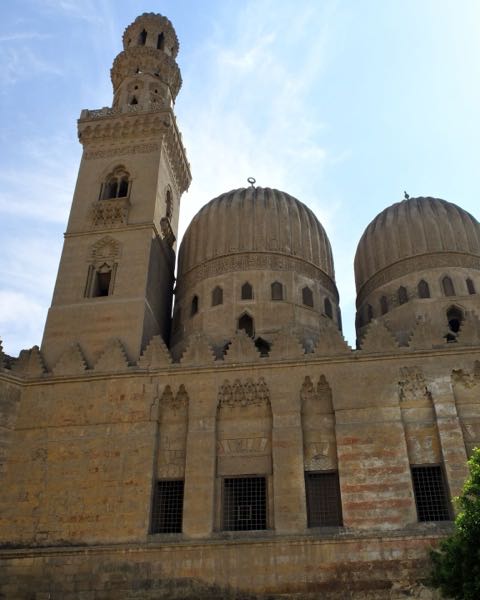
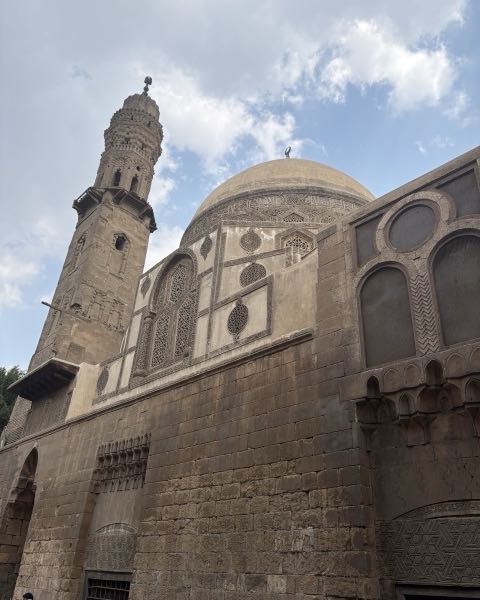
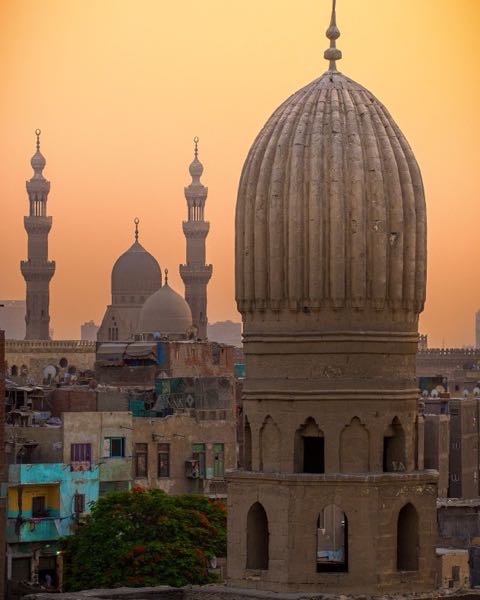
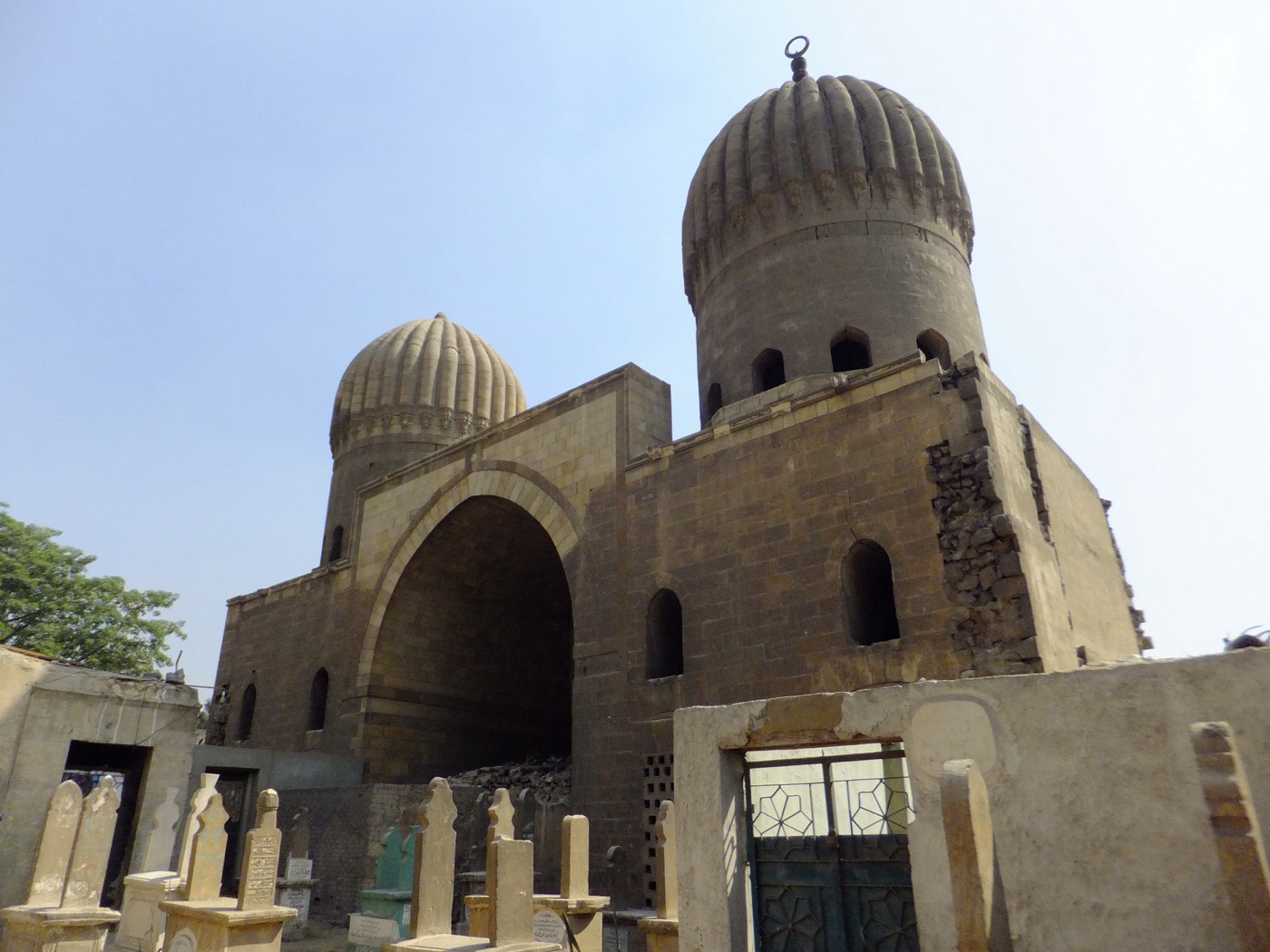
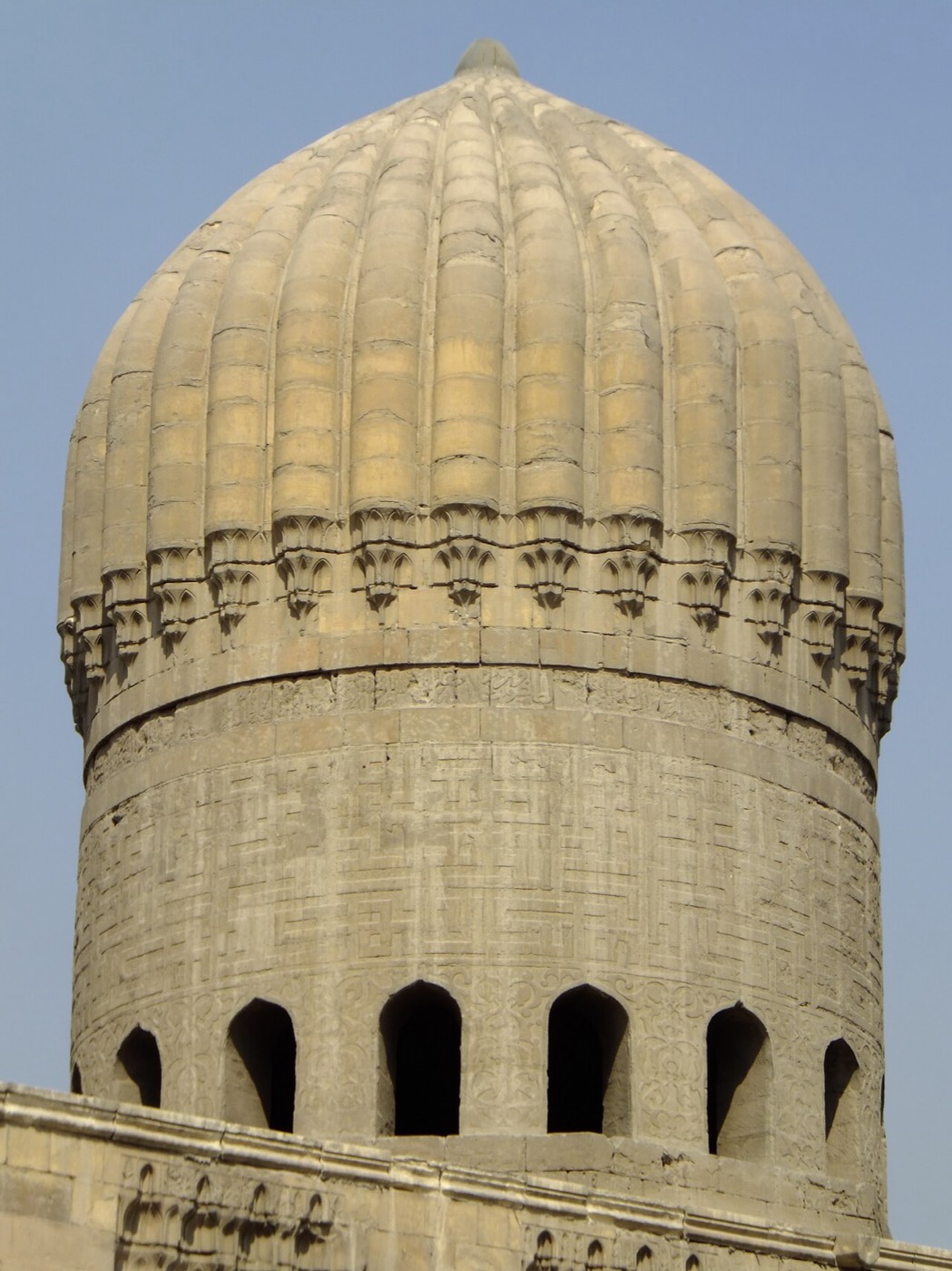
Nasser Rabbat describes the Sultaniyya as a double-domed qubba whose bulbous, double-shelled domes and carved mihrab adapt Central Asian and Anatolian forms to Cairene architecture7. O’Kane’s inventory records its inscriptions on a north dome and a south dome, in an iwan with a mihrab, and on the minaret2,10,9,3. On the outside of the north dome, square Kufic carved in the stone spells out the names of Muhammad, Abu Bakr, Umar, Uthman and Ali, below a Qur'anic band in naskh of which many parts are lost2,12. A carved Qur'anic band, now in poor condition, runs around the south dome and includes verse 2:28610. The lower inscription band of the minaret is also carved Qur'anic text, now badly worn3. Creswell knew no other double dome in Egypt, and noted that the external ribs run down to rest on muqarnas corbels, a treatment he found elsewhere in Egypt only on the dome of Yunus al-Dawadar14.
Inside
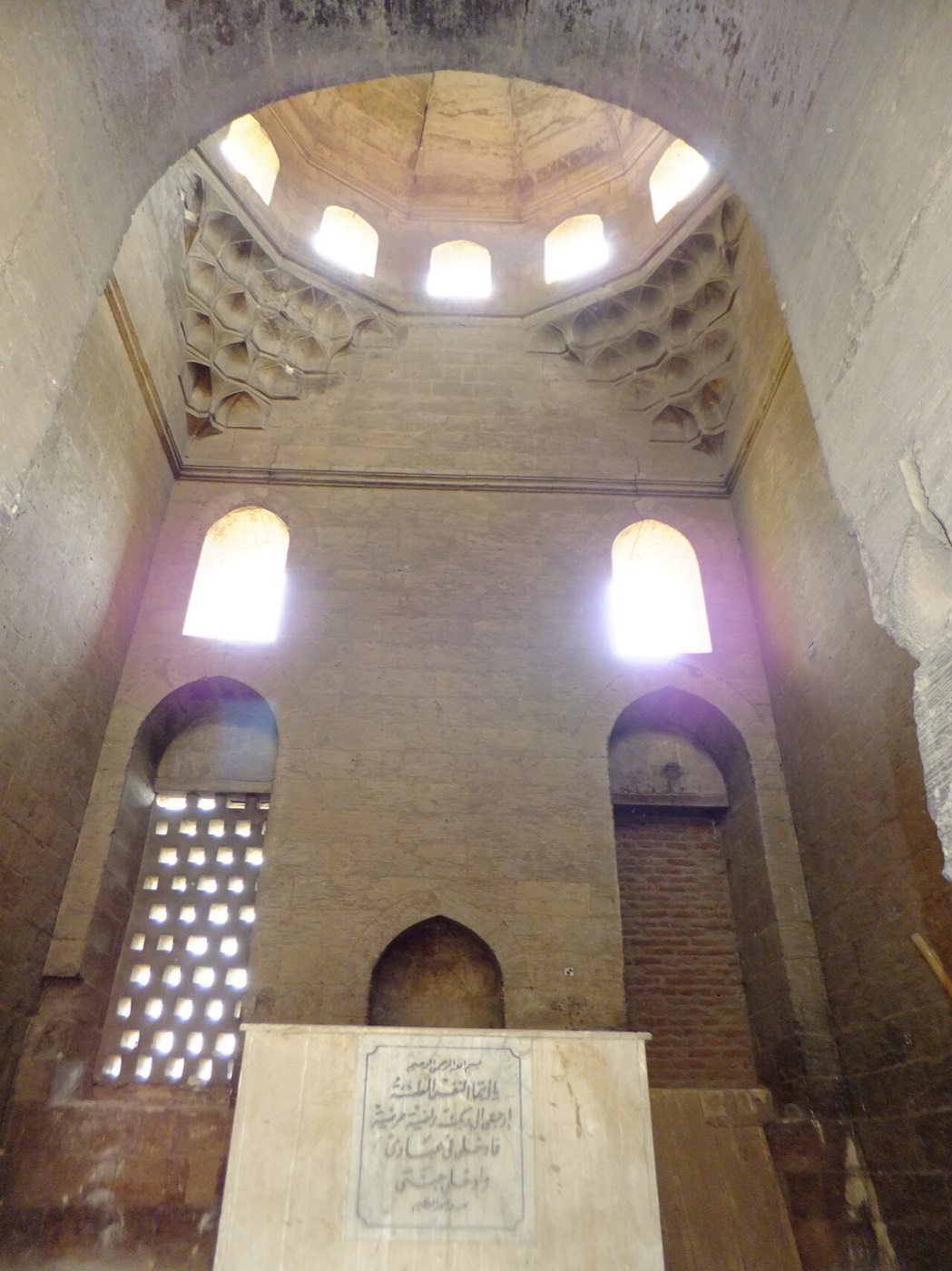
Inside the north dome, a carved stone band of Qur'anic text, still in good condition, runs around the chamber and ends with the words “God Most Great has spoken the truth and so has His eminent Prophet”8. In the iwan, a carved stone panel above the mihrab and a band along the walls carry more Qur'anic verses; part of the band is no longer legible9,13. Rabbat counts the carved mihrab among the building’s Central Asian and Anatolian features7. Creswell notes that it is of stone, with muqarnas in its hood and carved ornament in its spandrels, whereas mihrabs of the second half of the 14th century are almost all of inlaid marble14.
What to look for
Visiting
- The tomb stands on Sidi Jalal Street in the Qadiriyya cemetery near al-Sayyida Aisha, in Cairo’s al-Khalifa district4.
- Its minaret is registered as a separate monument (no. 289 in CULTNAT’s database); according to a report in the daily Al-Ahram, it was under restoration in May 2026, together with the minaret of Qusun11,15.
- UNESCO’s Historic Cairo property (1979) includes cemetery components named after al-Imam al-Shafi'i and Sayyida Nafisa (89-003 and 89-004)1.
Official information: Egypt’s Ministry of Tourism and Antiquities (Supreme Council of Antiquities)DirectionsOpen in OpenStreetMapGuided tours in Cairo
In a trip guide: Cairo’s City of the Dead and the medieval city