History
Gül Baba, called Cafer by TİKA, was a Bektashi dervish from Merzifon, according to Evliya Çelebi2,4. He died at Buda in 1541; a plaque in the türbe says he died in September, a few days after Süleyman I took the town, during congregational prayer at the Fethiye Mosque2. Tradition holds that the sultan attended his funeral and that Ebussuud Efendi, then chief judge of Rumelia, led the prayer2,3. Between 1543 and 1548 Yahyapaşazade Mehmed Pasha, beylerbeyi of Buda, built the türbe over his grave on the hill outside the Horozkapı gate that the Ottomans called Gültepe1,2,3. A Bektashi lodge grew up beside it; a repair record of 1566 says it could house sixty dervishes1.
After the Habsburg capture of Buda in 1686 the türbe went to the Jesuits, who by TDV's account took it in 1690, made it a church, walled up two windows, opened an oval one and put a lantern on the dome1,4. When the order was dissolved in 1773 it passed into private hands; in 1861 the architect János Wagner bought the plot and built his villa around the türbe, leaving it standing in the courtyard4. Repaired in 1885, it was listed as a historic monument in 1914 and has been open as a museum since 19621,4,6,7. Turkey sent furnishings in 1973, and the two governments restored the site in 1997 and again from 2016 to 20181,4,5.
Architecture
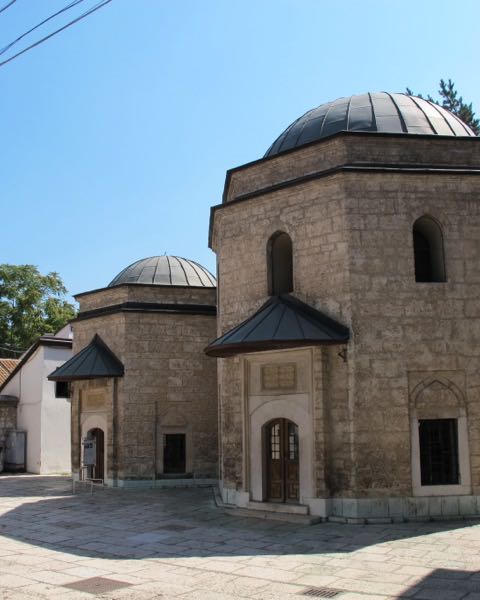
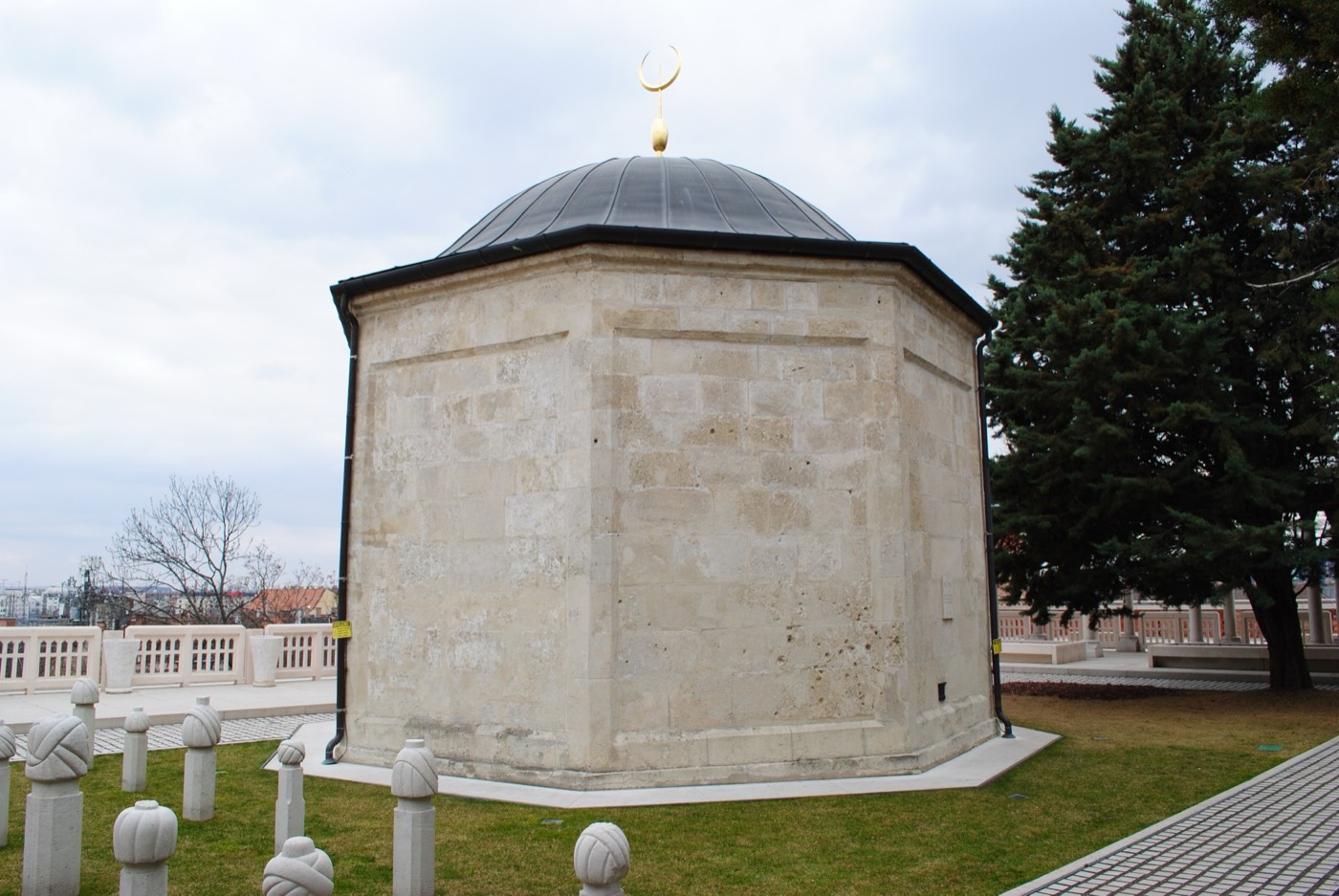
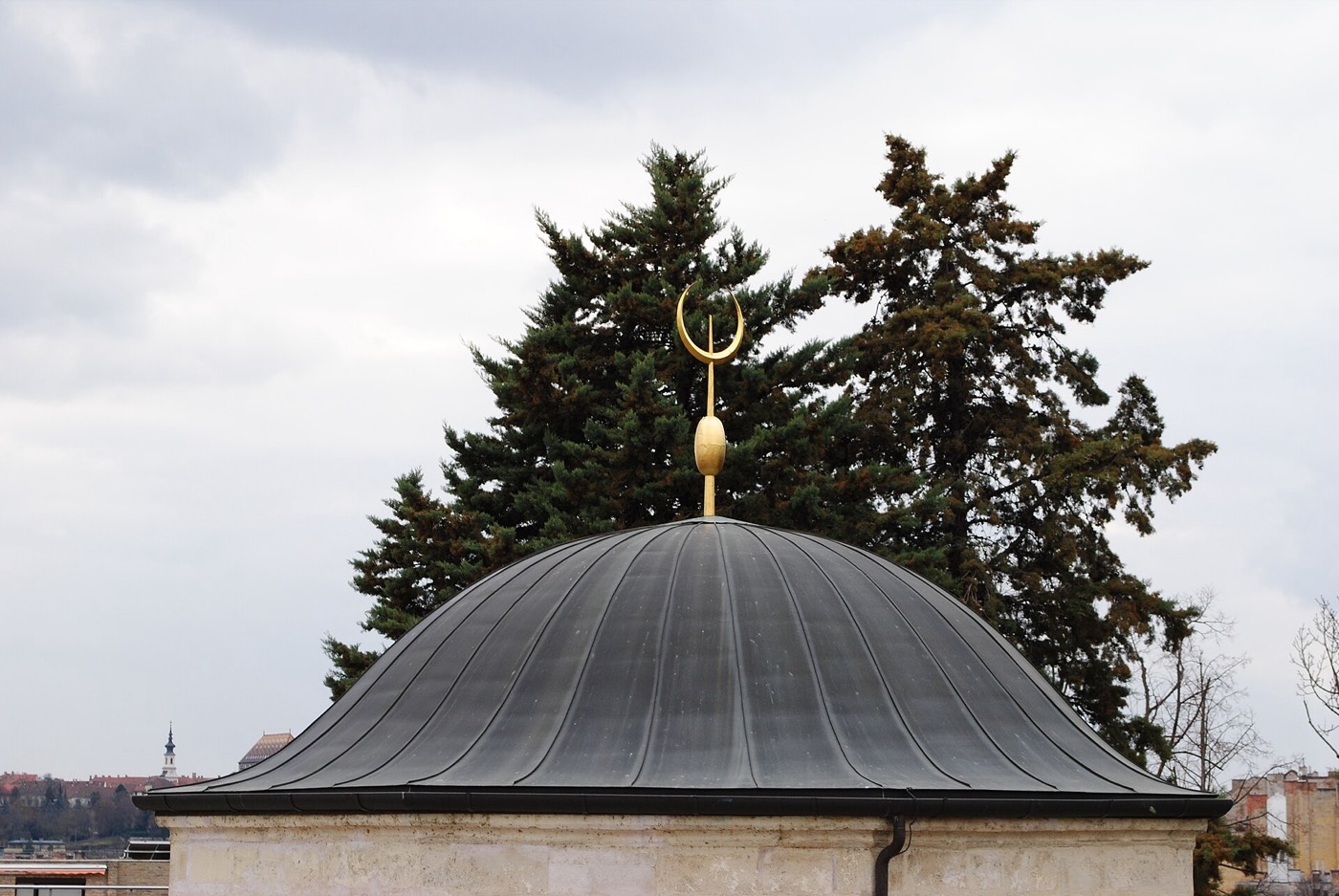
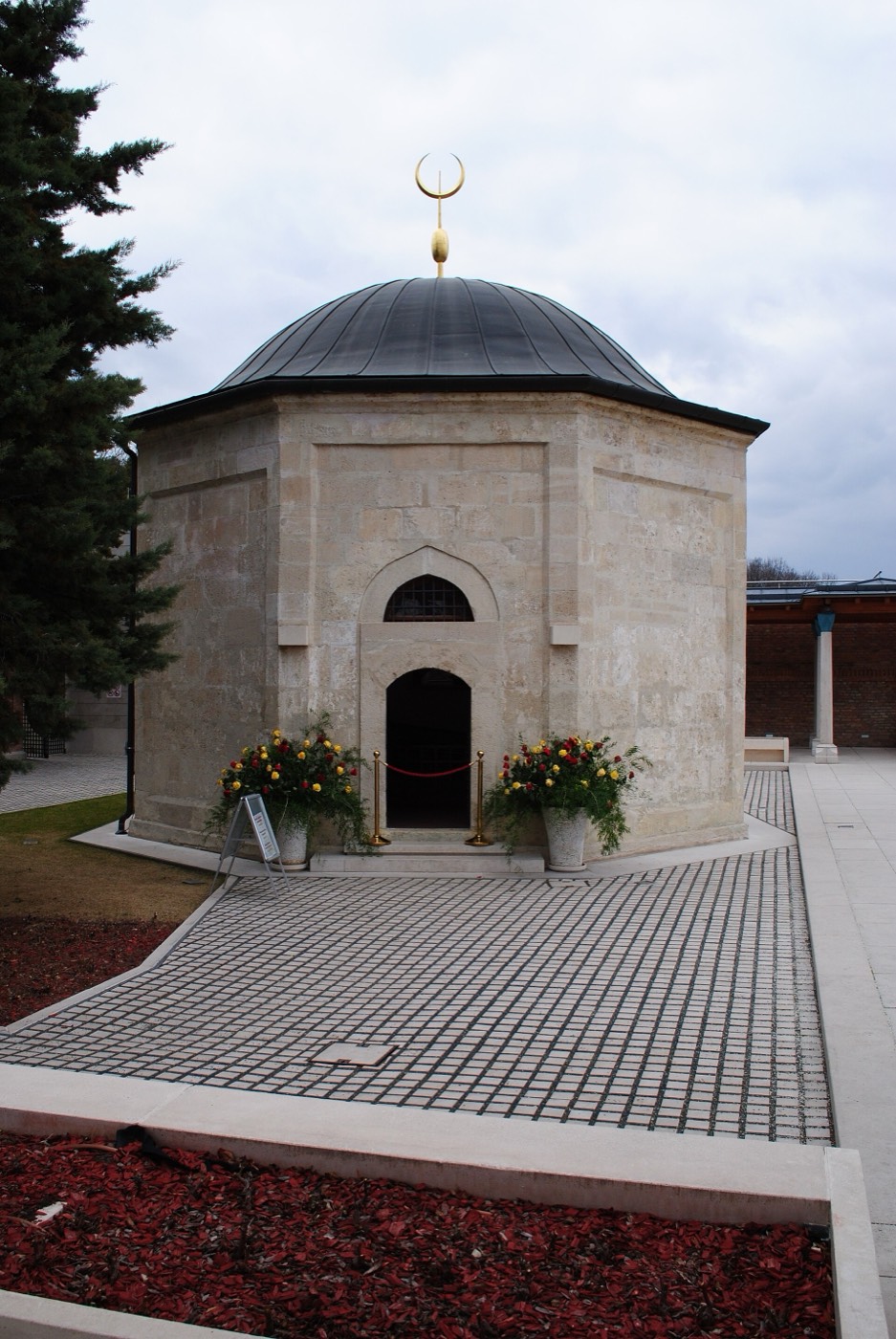
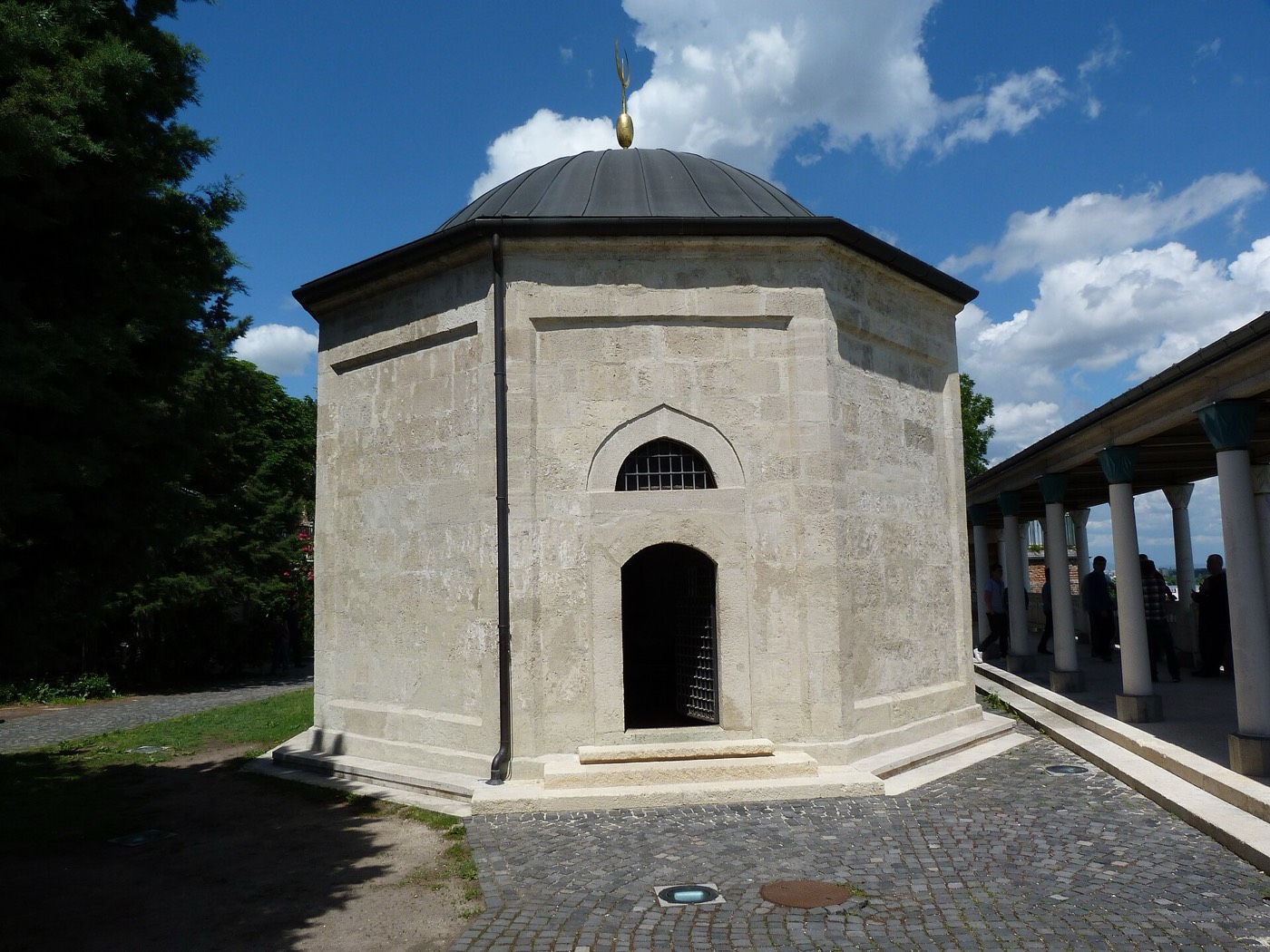
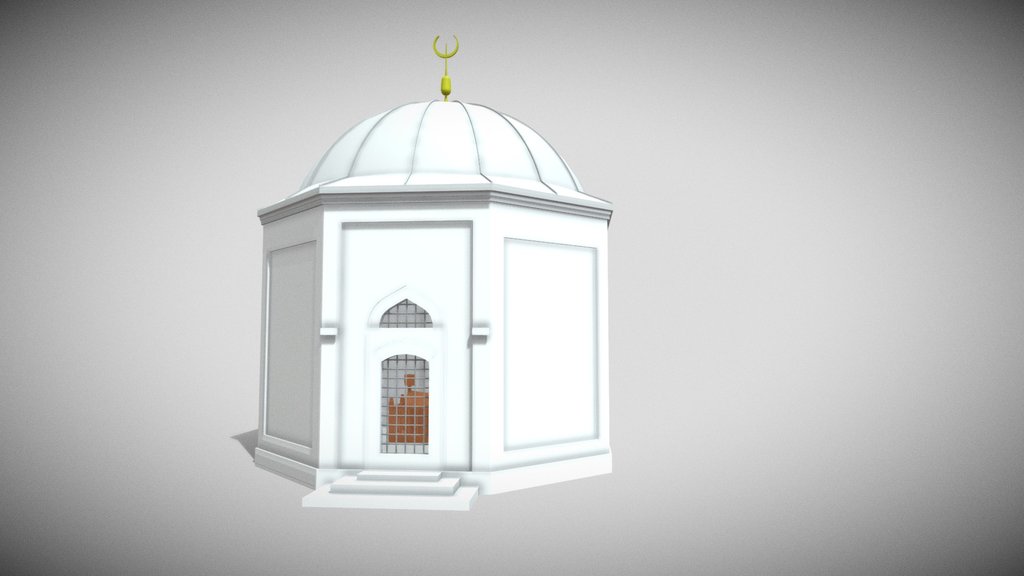
The türbe is a single octagonal room in the classical Ottoman manner: walls of cut limestone ashlar, plastered inside, under a hemispherical brick dome sheathed in lead3,4. Gergő Máté Kovács and Péter Rabb, working from a laser scan made in 2019, found that its plan and section fit a grid of 10 by 10 arşın, the Ottoman builder's cubit of about 76 cm, with an interior of 8 by 8 arşın and walls one arşın thick; the interior has the same size as that of Idris Baba's türbe in Pécs3. They take this as a sign that the builders worked from central written or drawn instructions, and judge the building of high quality for a frontier province3. The gilded copper finial on the dome dates from a 20th-century restoration, not from Ottoman times3.
The setting has changed more than the türbe1,4. The lodge, with its meeting hall, summer and winter quarters, kitchen and dervish cells, and the graveyard around it have gone; TİKA places the lodge on the slope between the türbe and the Danube4. After 1861 Wagner's villa enclosed the türbe, and after 1960 the Hungarian government demolished the arcaded gallery he had built around it1,4. The 2016-2018 project, run by TİKA with the Hungarian authorities, repaired the stone walls, floor and windows, restored the entrance front and the finial, relaid the garden and the street, and turned the basement of the former villa into an exhibition space4,5,7.
Inside
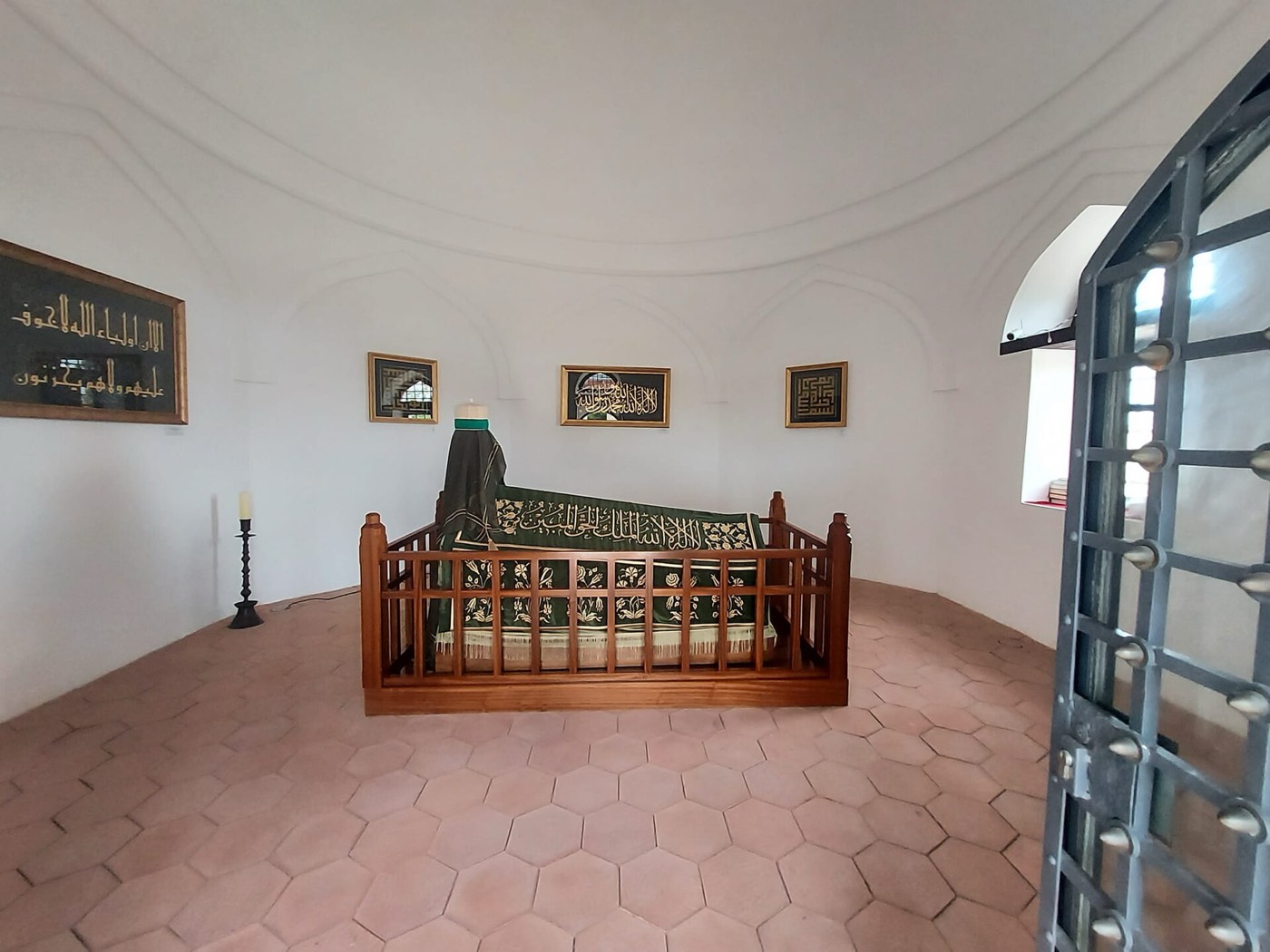
The interior is a single domed room about 6.05 m across at the level of the lower windows and 6.65 to 6.69 m high under the crown of the dome3. In 1973 the Turkish government sent several cenotaph covers, carpets, candlesticks and inscription panels to complete its furnishings1. The 2016-2018 works repaired the stone walls, the floor and the wooden windows and replaced plaster and mortar that did not match the original4. Beside the türbe, the exhibition in the former Wagner villa has five rooms on Ottoman Hungary, the world of the dervishes and Gül Baba, with three silicone figures of Bektashi dervishes4,7.
What to look for
- The octagonal room of cut limestone under a lead-covered dome, one of two Ottoman türbes still standing in Hungary3.
- The gilded copper finial on the dome, a 20th-century addition restored in 2016-20183,4.
- The cenotaph covers, carpets and inscription panels sent from Turkey in 19731.
- The rose garden and terraces around the türbe, relaid in the 2016-2018 project4,7.
- The exhibition on Ottoman Hungary and the Bektashi dervishes in the former Wagner villa4,7.
Visiting
- The türbe is at Mecset utca 14, on the Rózsadomb in Budapest's 2nd district4,8.
- The foundation runs the site as a museum and cultural centre, with a permanent exhibition, a café and events in the rose garden4,7.
- TDV notes that many Muslims, above all the Turks living in Hungary, visit the tomb2.
Official information: Gül Baba Türbéje Örökségvédő Alapítvány (the Gül Baba heritage foundation), which runs the türbe, the rose garden and the exhibition; the türbe is a protected historic monumentDirectionsOpen in OpenStreetMapGuided tours in Budapest