History
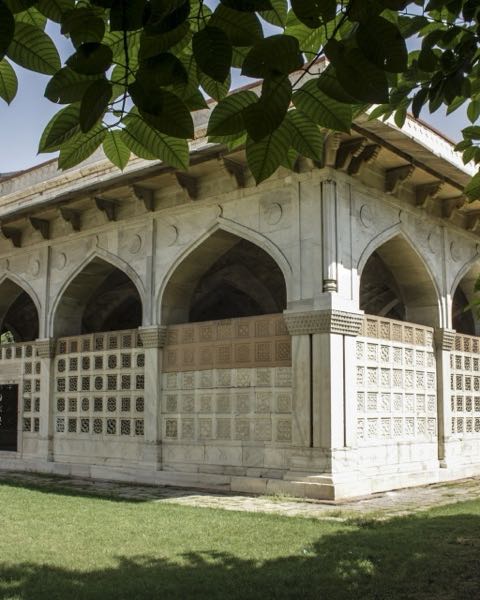
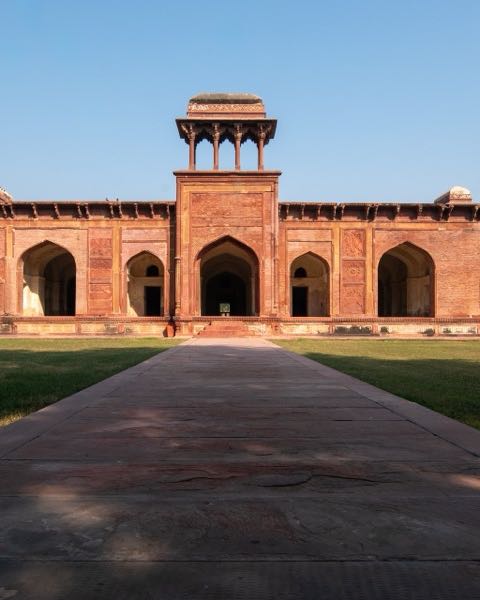
Pakistan's register of protected monuments repeats a legend: Anarkali, a girl loved by Prince Salim, the future emperor Jahangir, was put to death in 1599 for the affair, and Jahangir later built this tomb in her memory2. Whatever the truth of the story, the building belongs to Jahangir's reign: Lok Virsa's survey of Pakistan's architectural crafts dates it to 1024 AH (1615), and the PWCA also gives 1615 for its completion1,3. The survey lists it among the works of Jahangir's time at Lahore, next to his additions to Lahore Fort, and places it outside the fort1.
After the East India Company annexed the Punjab in 1849, the tomb was handed to clerical staff of the Board of Administration, who used some rooms as offices and others as living quarters3. On 15 March 1851 it became a church; four years later a gallery and a larger outside staircase were added, and a tall cross was raised on the dome3. It remained a church until 1886, when Lahore Cathedral was completed3. After four empty years it was made part of the Secretariat in 1891 and became a government record office3. In 2024 the building was handed to the PWCA, which is uncovering frescoes hidden under paint and plaster3.
Architecture
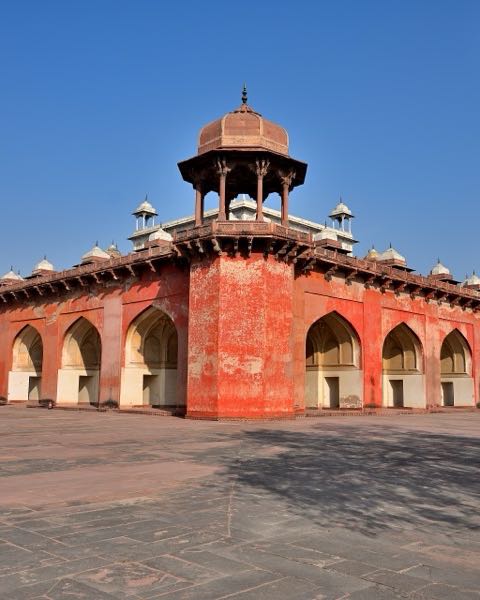
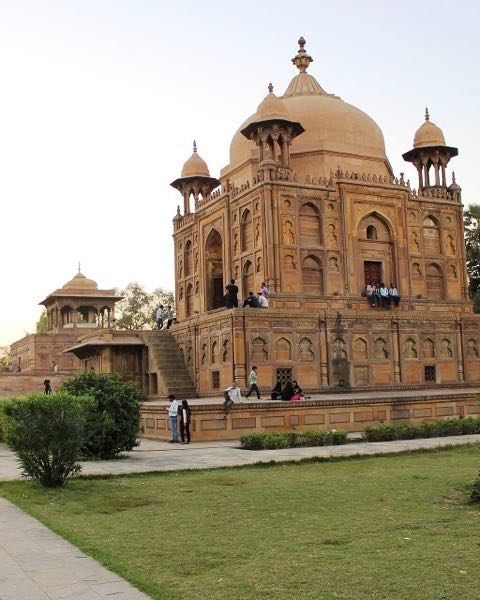
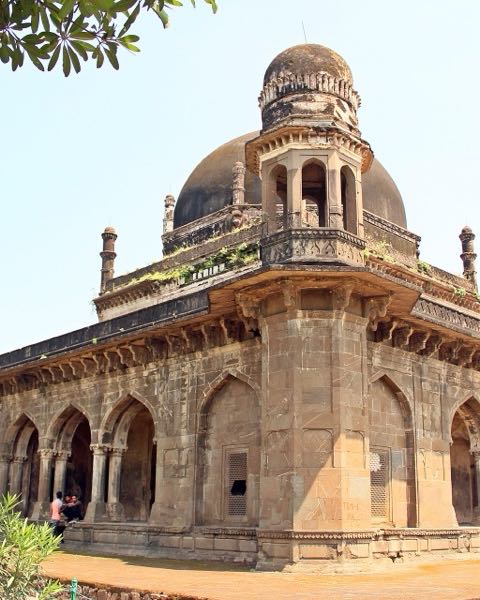
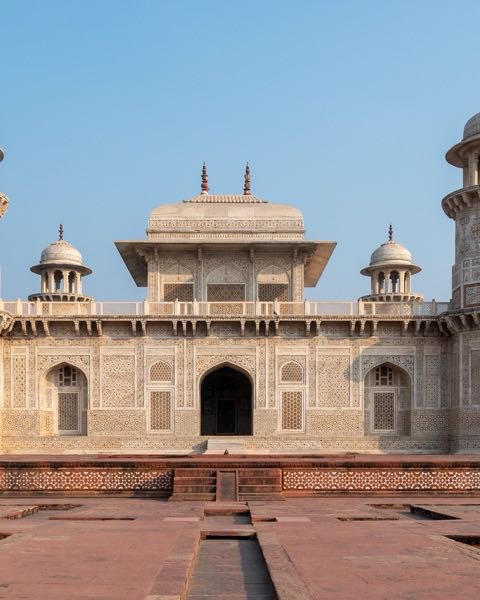
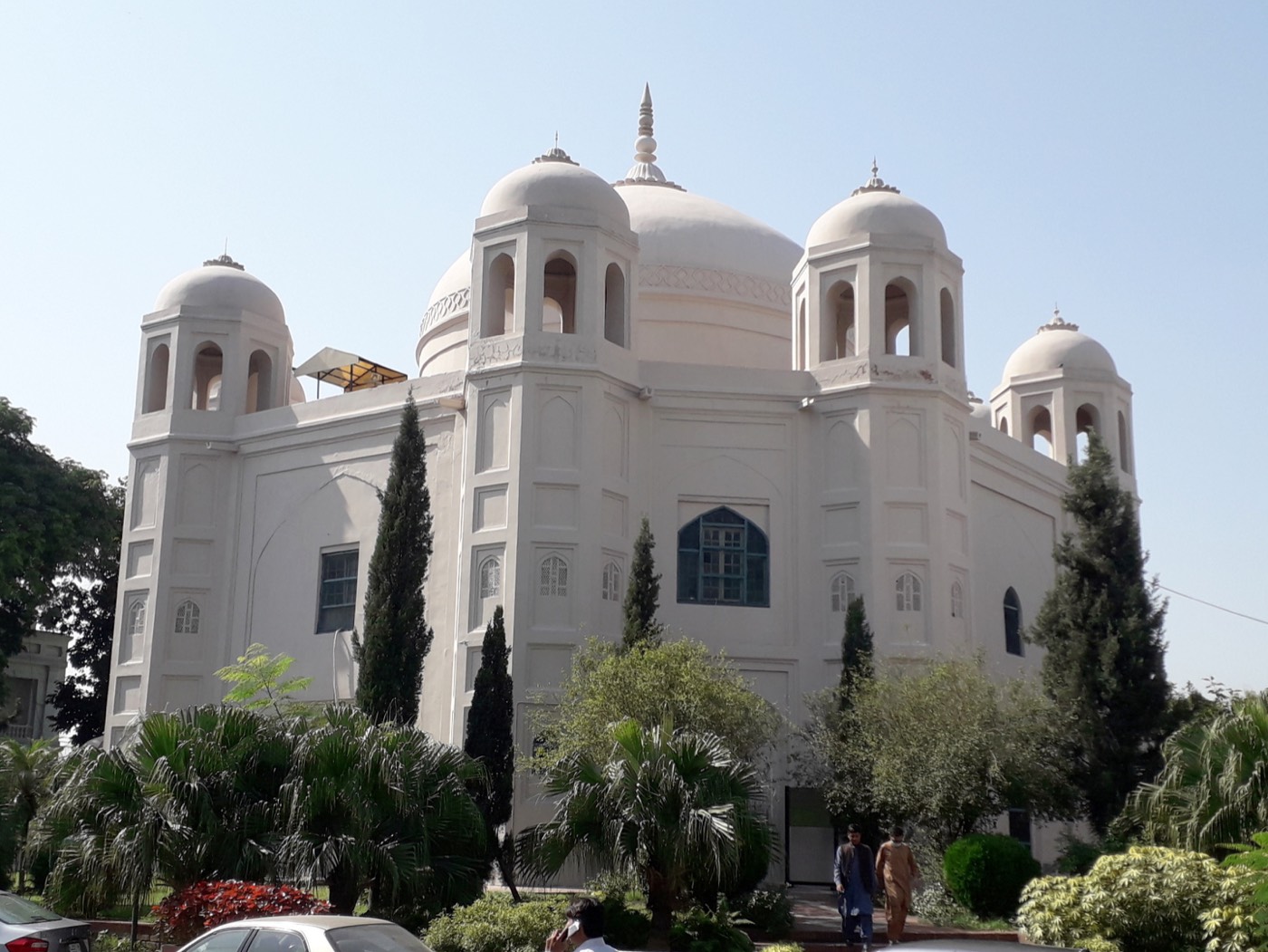
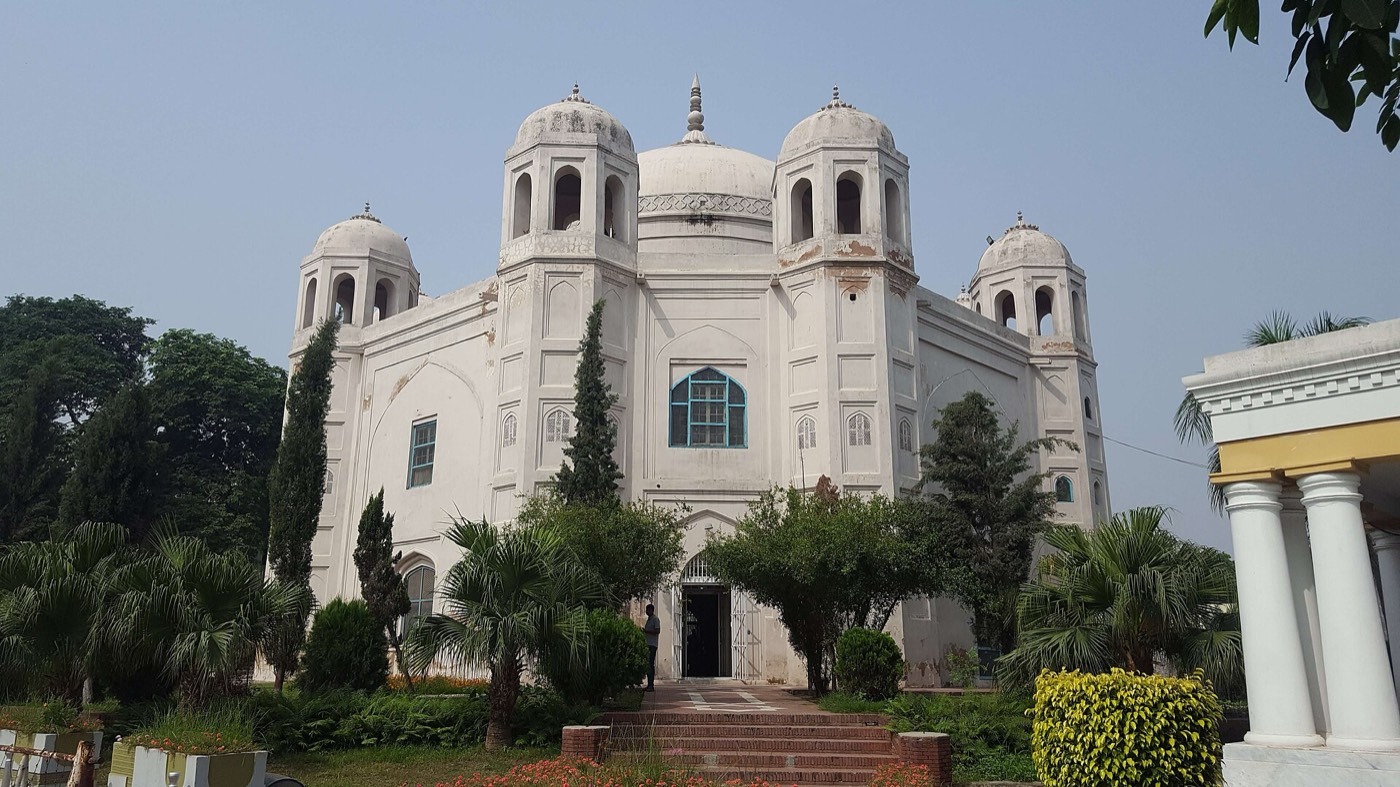
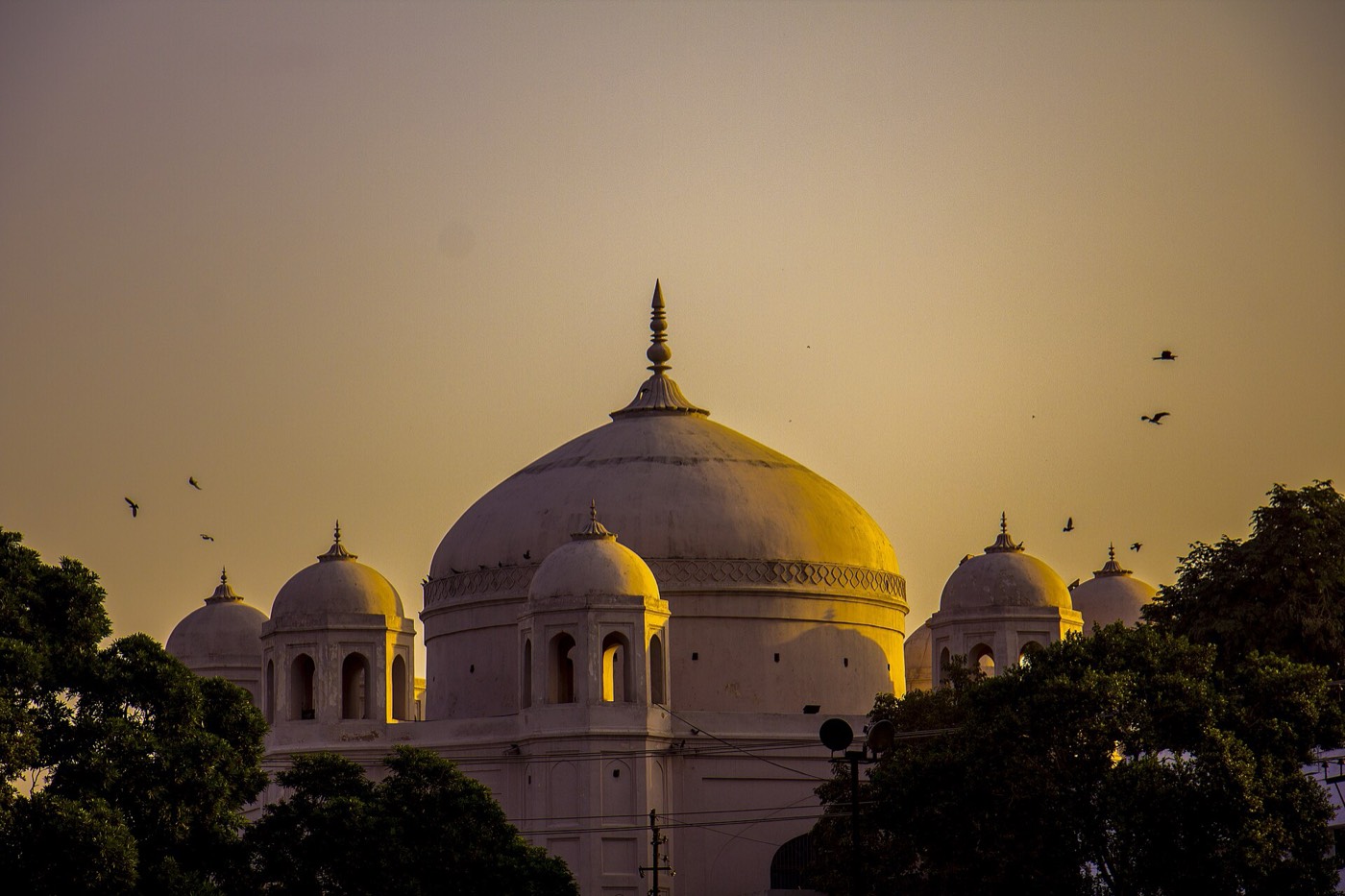
The tomb is an octagon with alternate sides of 13.4 m and 9.2 m2. Octagonal towers stand at its corners, each topped by a kiosk, and in the centre a large dome rises on a high cylindrical drum1,2. Lok Virsa counts it among the earliest double domes in Pakistan1. The interior was decorated with fresco painting, which Lok Virsa lists among the Mughal fresco schemes of Lahore; the PWCA found it buried under later layers of paint and plaster1,3.
Inside
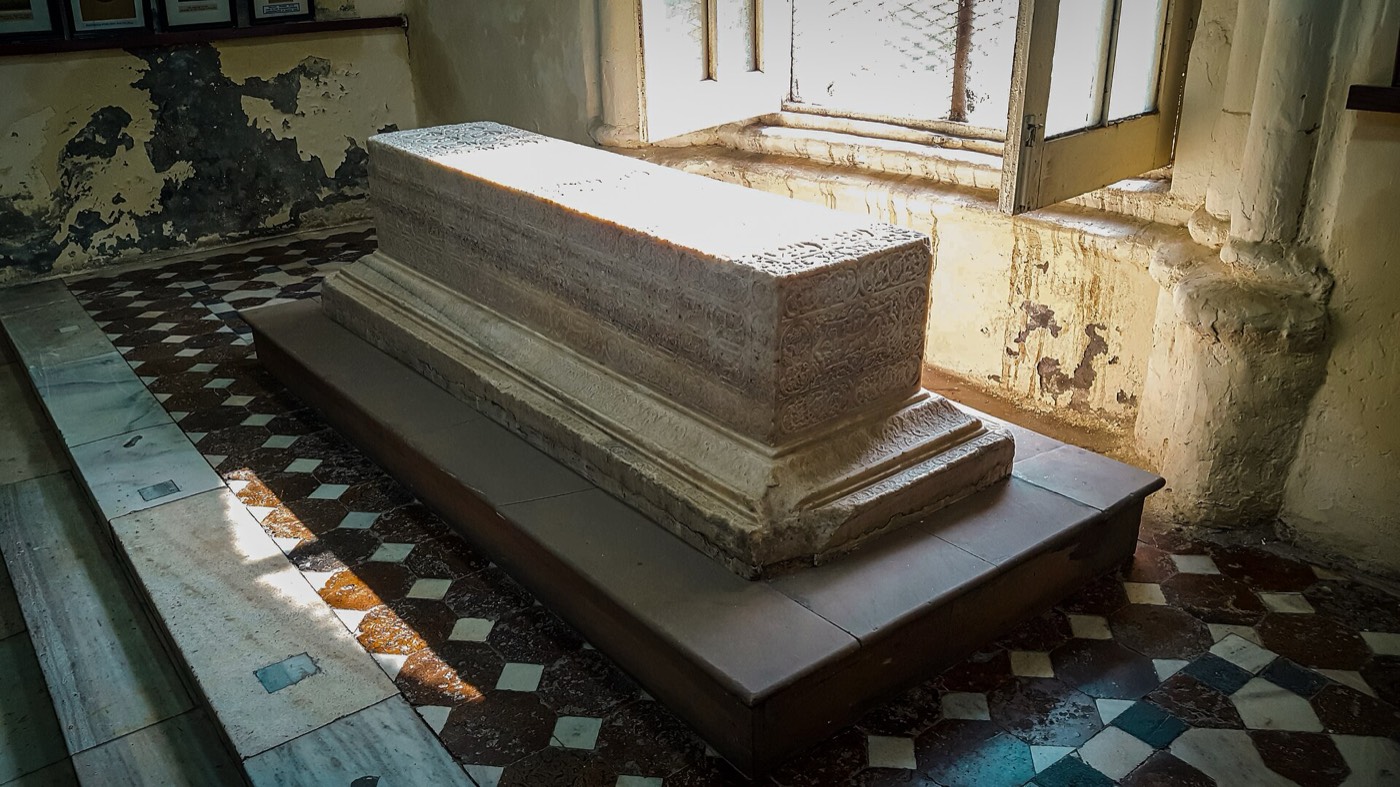
For more than a century the building served as offices and a record store, and its walls were covered with paint and plaster; since 2024 the PWCA has been uncovering the frescoes beneath3. The marble cenotaph is carved with floral and tendril designs, though DOAM notes that the lines of the carving are not sharp2. Its inscriptions are carved boldly in nastaliq script, which DOAM finds uneven in the hand2.
What to look for
- The high central dome on its cylindrical drum, which Lok Virsa counts among the earliest double domes in Pakistan1,2.
- Octagonal corner towers, each topped by a kiosk1.
- The marble cenotaph carved with floral and tendril designs and bold nastaliq lettering2.
- Mughal frescoes being uncovered from beneath later paint and plaster3.
Visiting
- From 1891 the building was part of the Punjab government's Secretariat and served as a record office3.
- The PWCA took charge of the tomb in 2024 and is uncovering its wall paintings3.
Official information: Government of Punjab, Pakistan: DOAM lists the tomb as provincial property protected under the Antiquities Act 1975, and it was handed to the Punjab Walled Cities & Heritage Areas Authority (PWCA) in 2024DirectionsOpen in OpenStreetMapGuided tours in Lahore