History
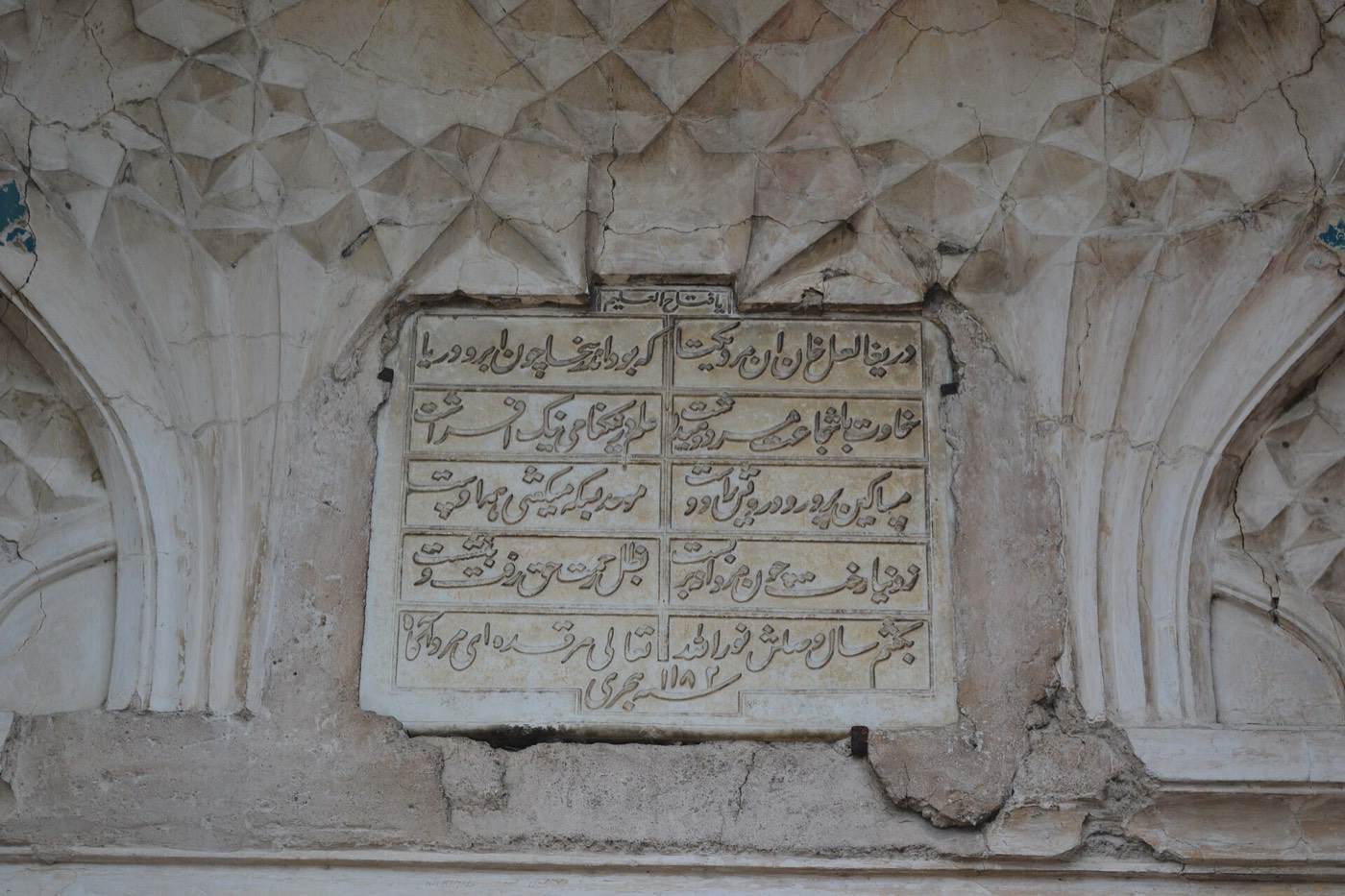
The tomb stands at Rajghat in Varanasi. The Archaeological Survey of India dates it to 17731. The Benares gazetteer of 1909 places it within the Rajghat fort, which it describes as dismantled but still cantonment property, and gives the date as 1182 AH (1768-1769 CE)2.
Sherring, writing in 1868, calls it a spacious tomb built by Lal Khan, a Muslim servant of a former Raja of Benares3.
Architecture
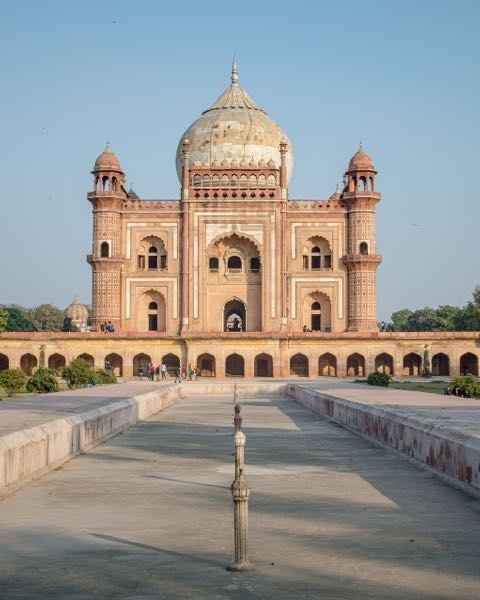
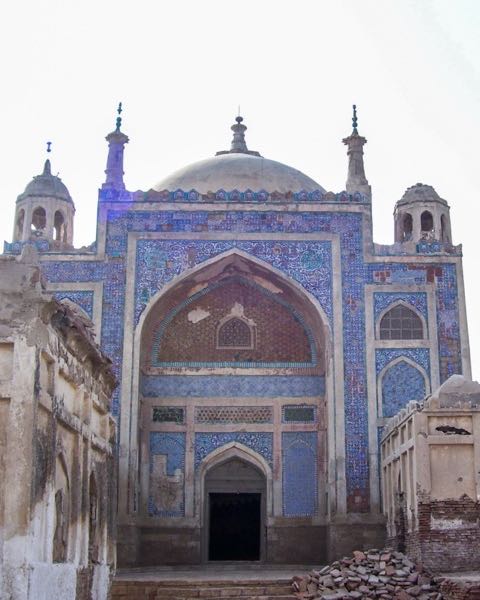
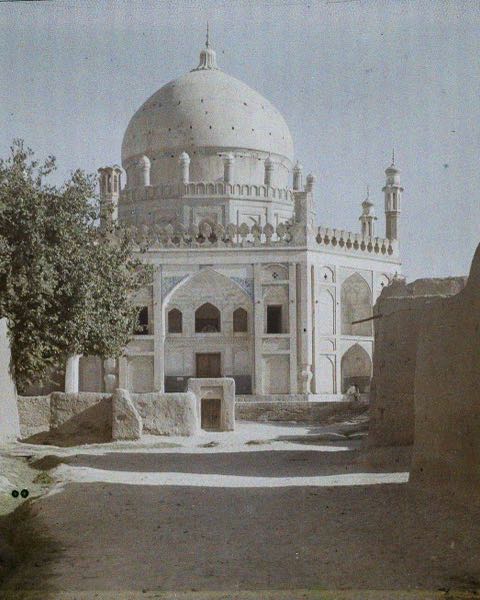
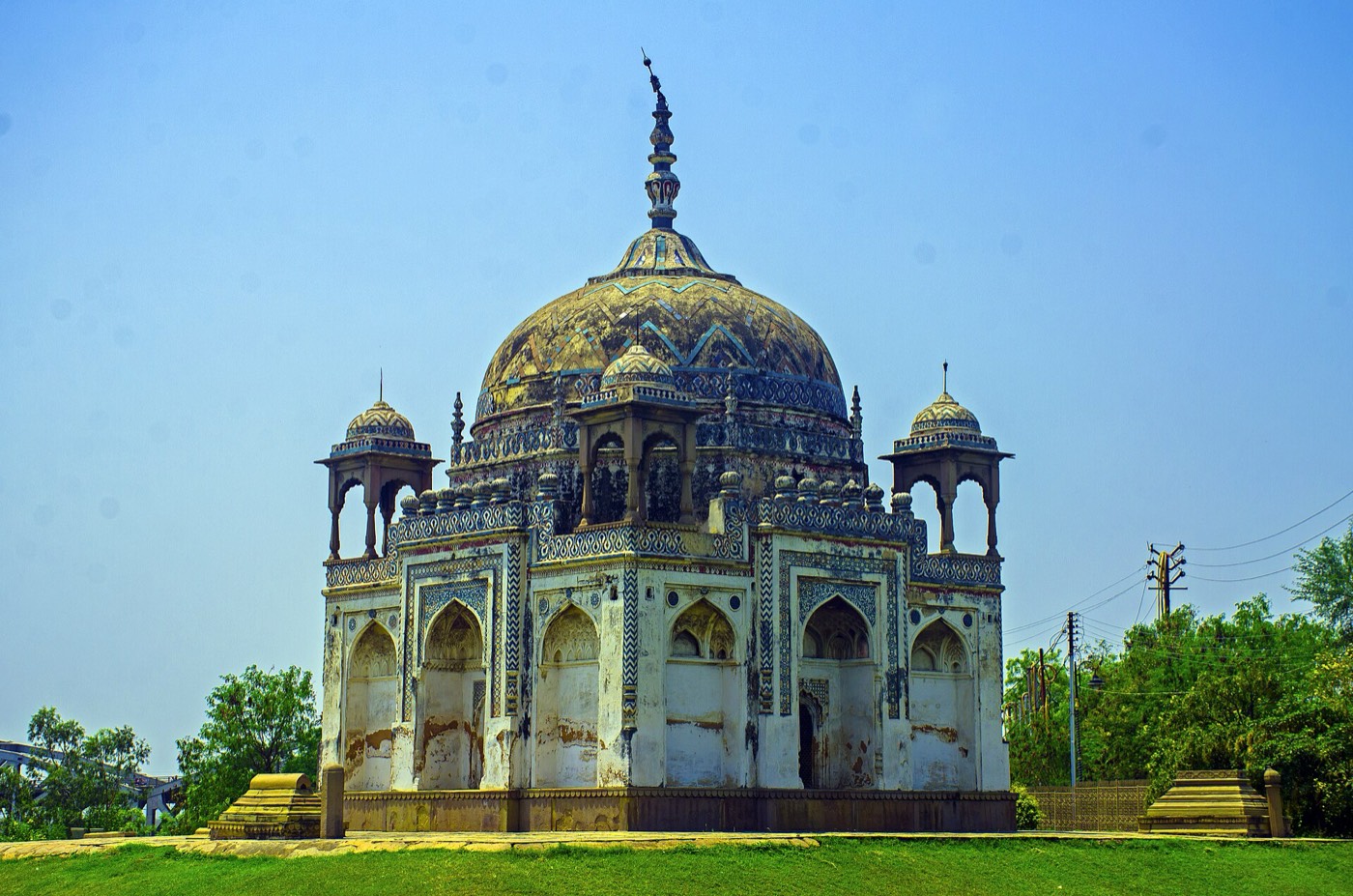
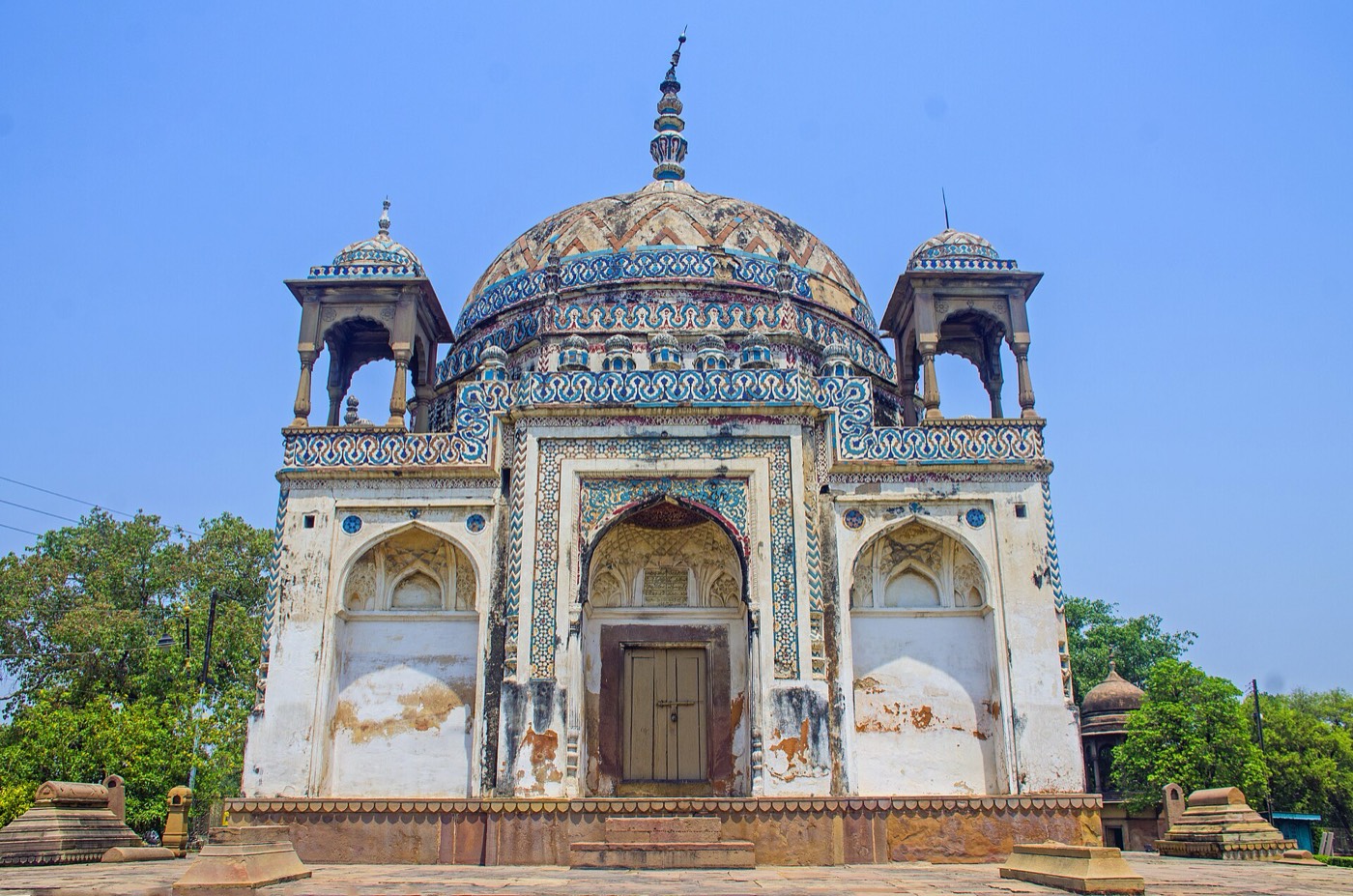
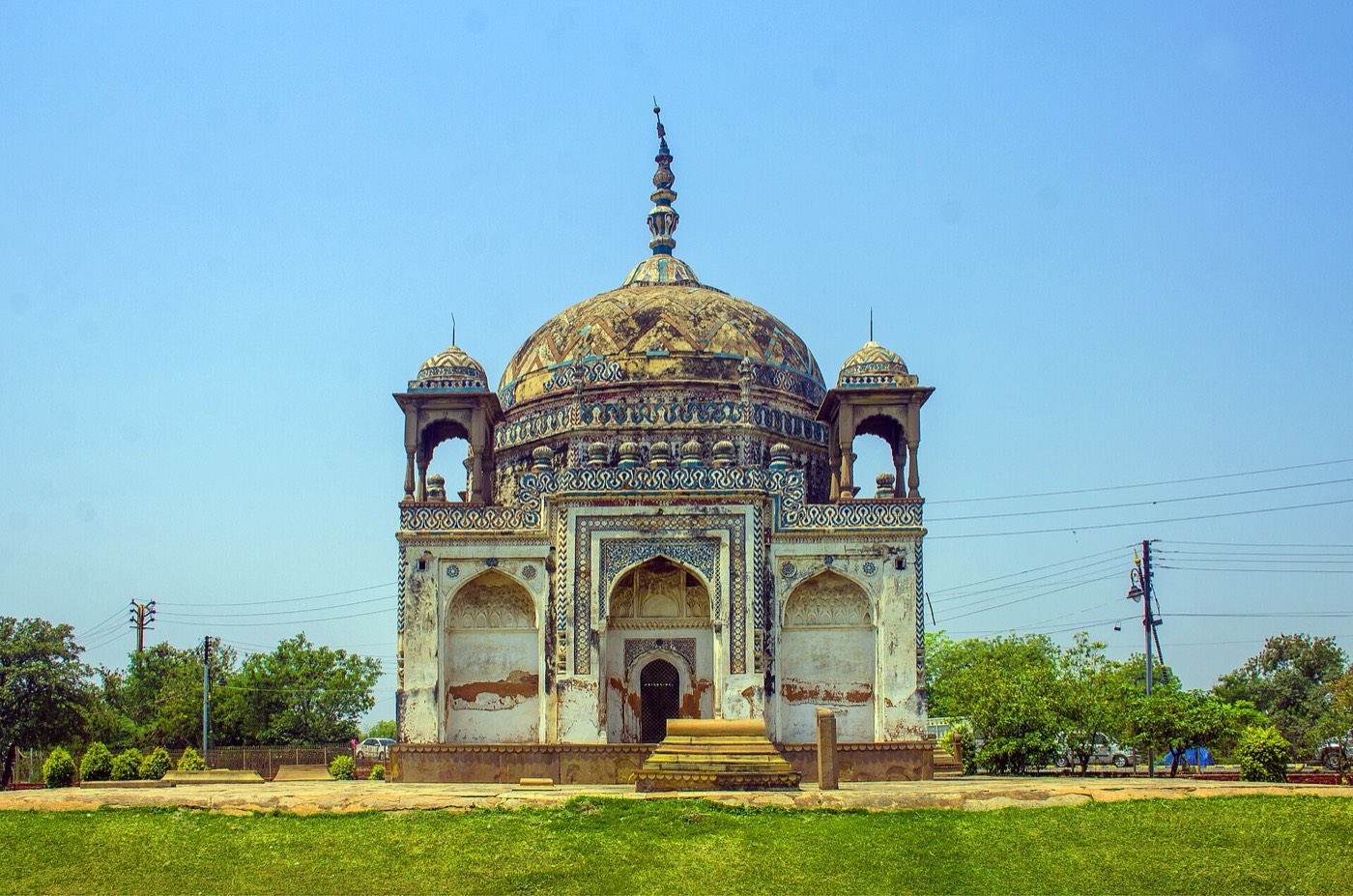
The tomb occupies the centre of a large quadrangle with a tower at each corner2,3. The building is a massive domed structure ornamented with coloured tiling2.
Sherring describes the tomb as a massive tower-like mass rising above the quadrangle, crowned with a dome from which a spire emerges. The colours on its outer surface, chiefly blue, were laid on plaster that looks glassy like porcelain under close inspection. Decay of the masonry beneath had made the plaster crumble in places3.
Inside
What to look for
Visiting
- The Sarnath Circle of the Archaeological Survey of India lists the tomb among the monuments it conserves1.
- It lies inside the former Raj Ghat fort area, which the 1909 gazetteer describes as cantonment property2.
Official information: Archaeological Survey of India, Sarnath CircleDirectionsOpen in OpenStreetMapGuided tours in Varanasi