History
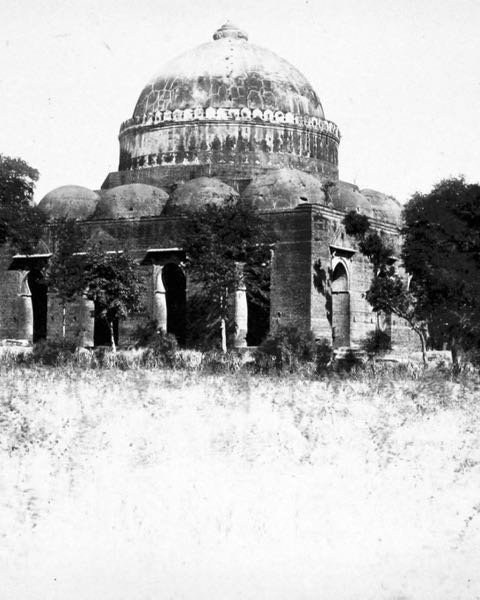
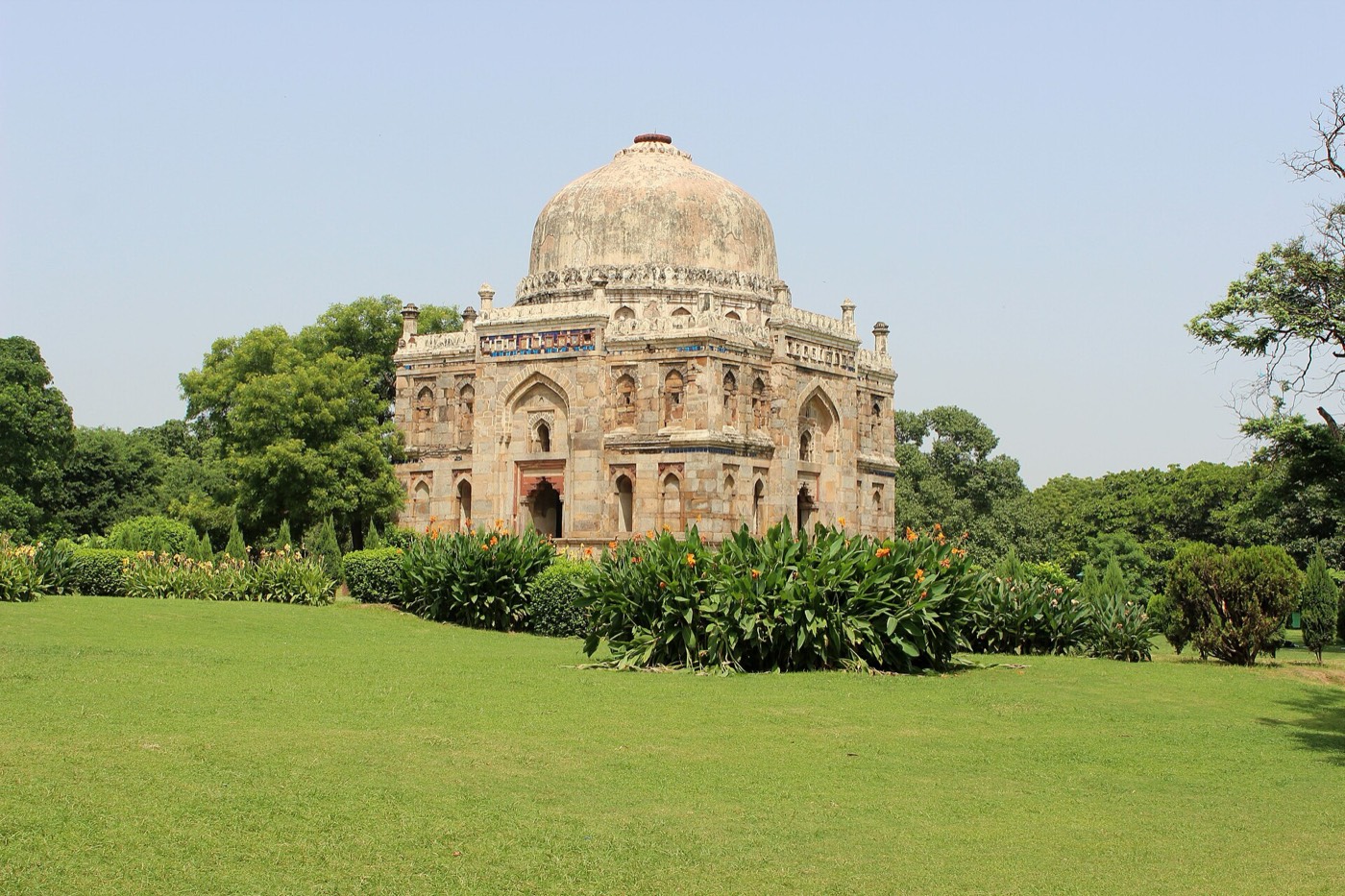
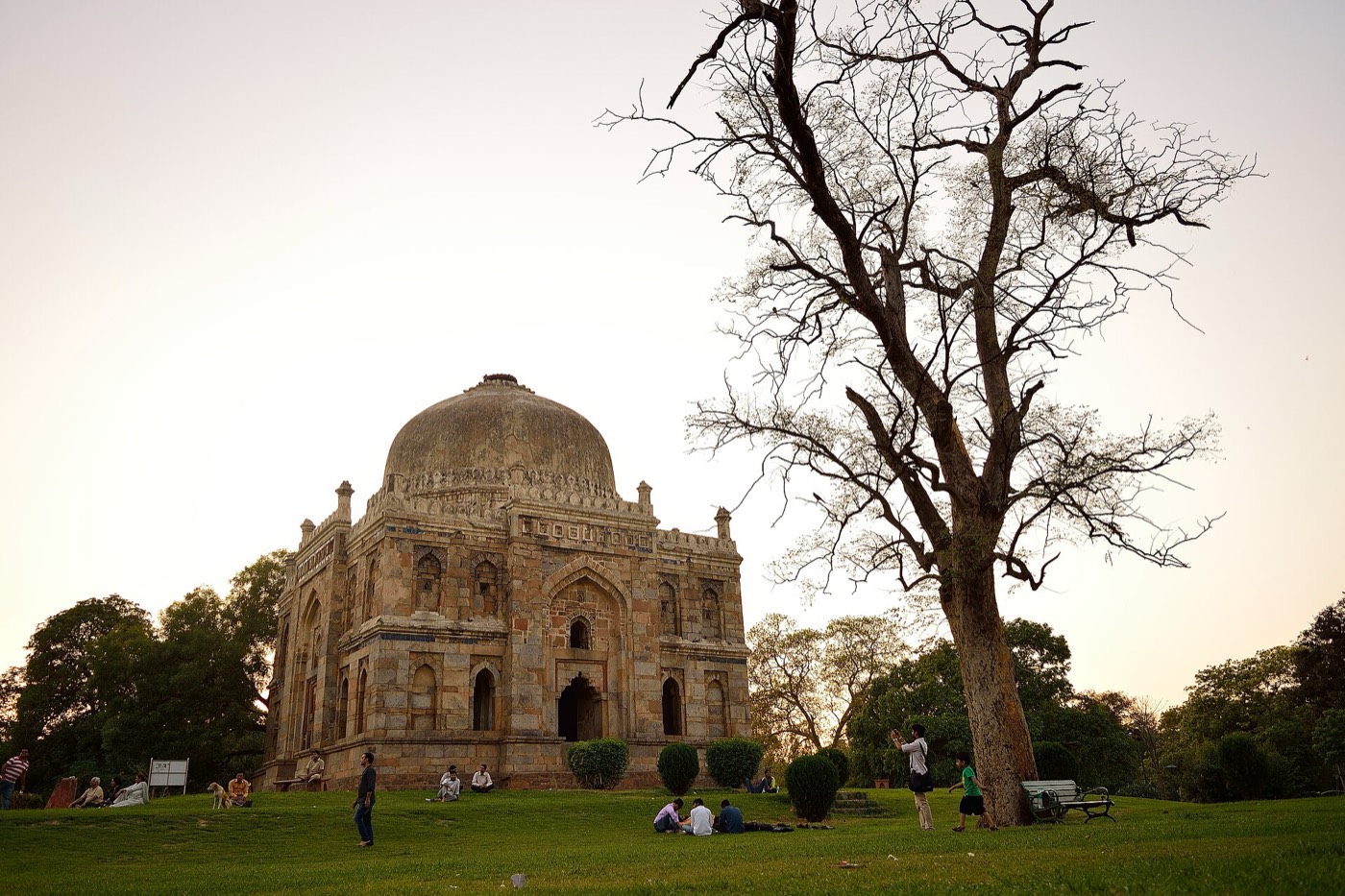
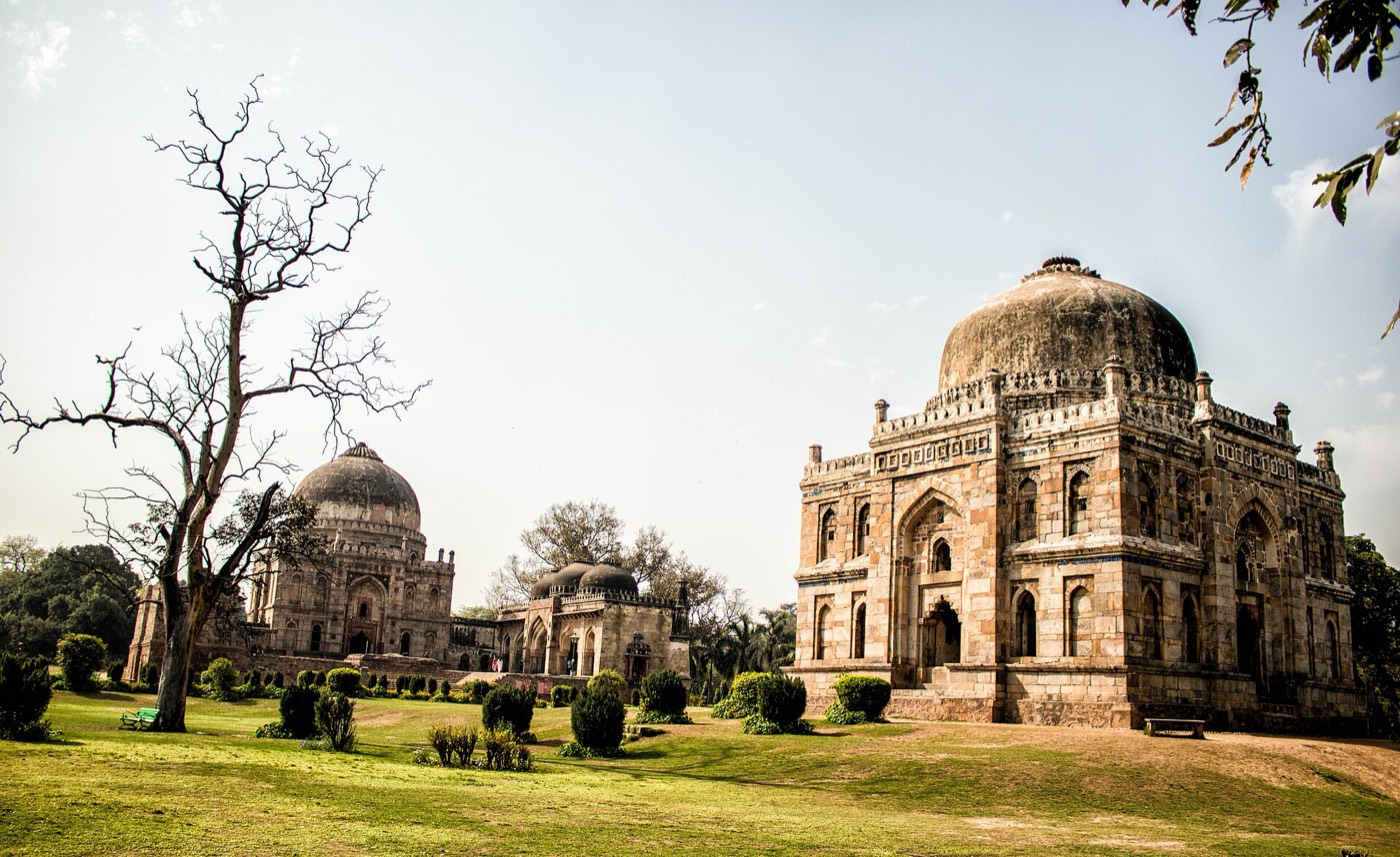
The Shish Gumbad stands in Lodi Garden, Delhi, facing the Bada Gumbad2. IGNCA's documentation form, which lists the Archaeological Survey of India (ASI) as owner, records it as an unknown tomb of the Lodi period, perhaps built in the reign of Sikandar Lodi1. The Delhi government's list of ASI-protected buildings carries it under the name 'Unknown tomb with blue tiles decoration known as Shisha Gumbad' and gives its location as Khairpur3.
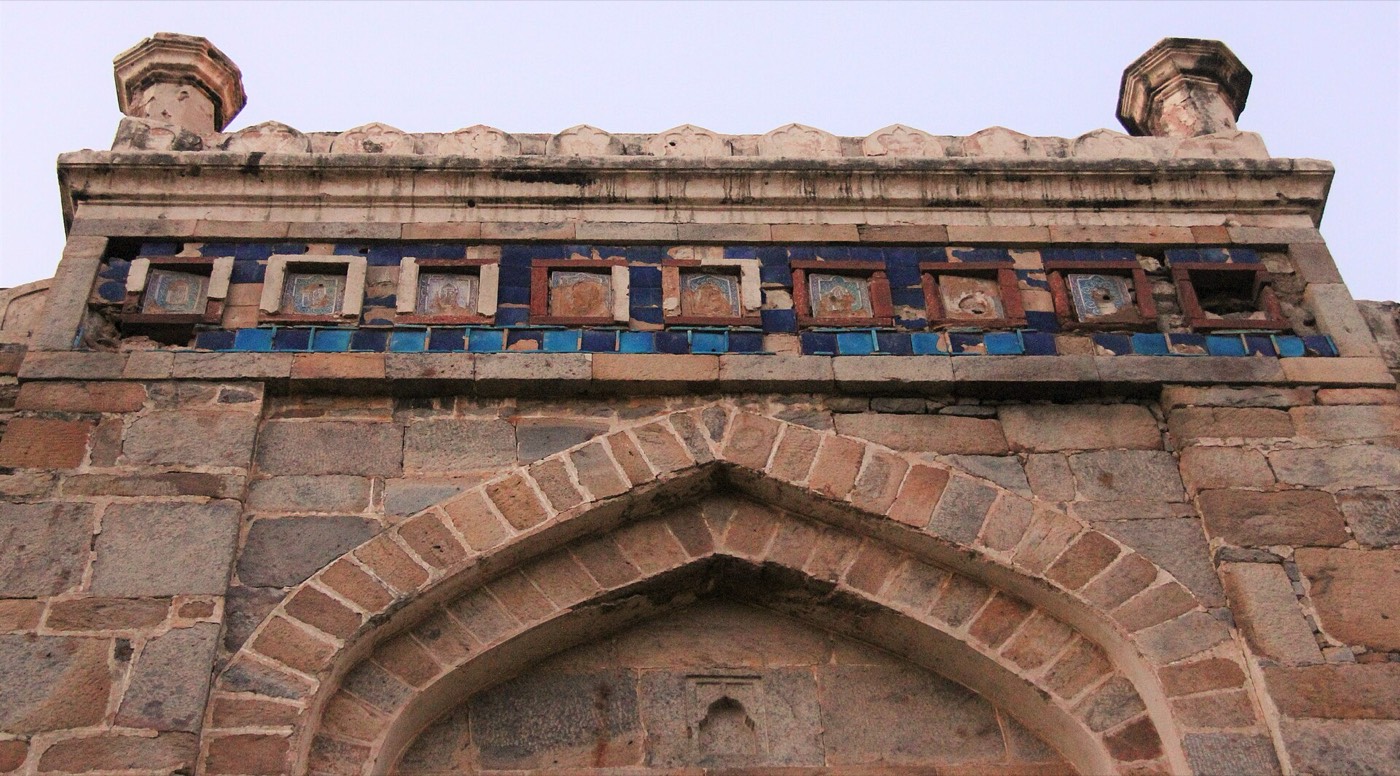
Its graves are unidentified2. INTACH Delhi Chapter notes that the building has been claimed as the tomb of Bahlol Lodi, the first Lodi ruler, who died in 1489, but that nothing fixes the identification2. Sikandar Lodi, Bahlol's son, reigned from 1489 to 1517, and his own tomb lies about 250 m to the north in the same garden2. The name Shish Gumbad, 'glass dome', refers to the glazed tiles that once covered the dome and parts of the facade2.
Architecture
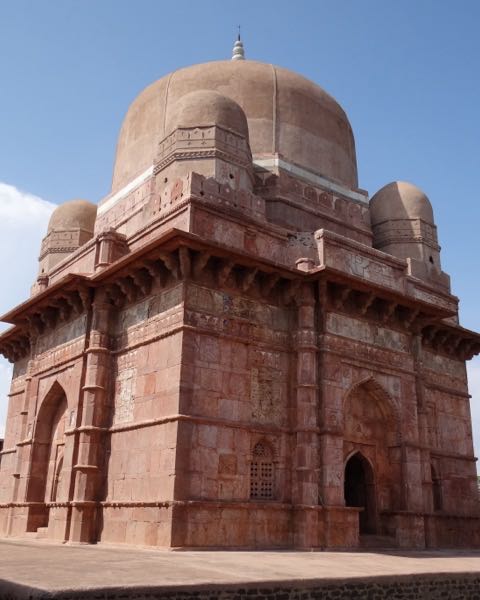
The tomb is square, about 17 m on each side, with octagonal minarets at the corners2. IGNCA records that it follows the pattern of the square Lodi tombs1, and INTACH says a projecting cornice divides the exterior into two storeys, giving it a double-storeyed appearance2. The walls are dressed stone masonry and the dome is of stone1.
Blue glazed tiles, recessed arched niches and mouldings decorate the exterior1. INTACH says remnants of turquoise and cobalt tilework survive on the facade, and that a hidden staircase leads to the terrace2.
Inside
What to look for
- Traces of blue and turquoise glazed tile along the top of the facade.
- Recessed arched niches and mouldings on the exterior of the square block.
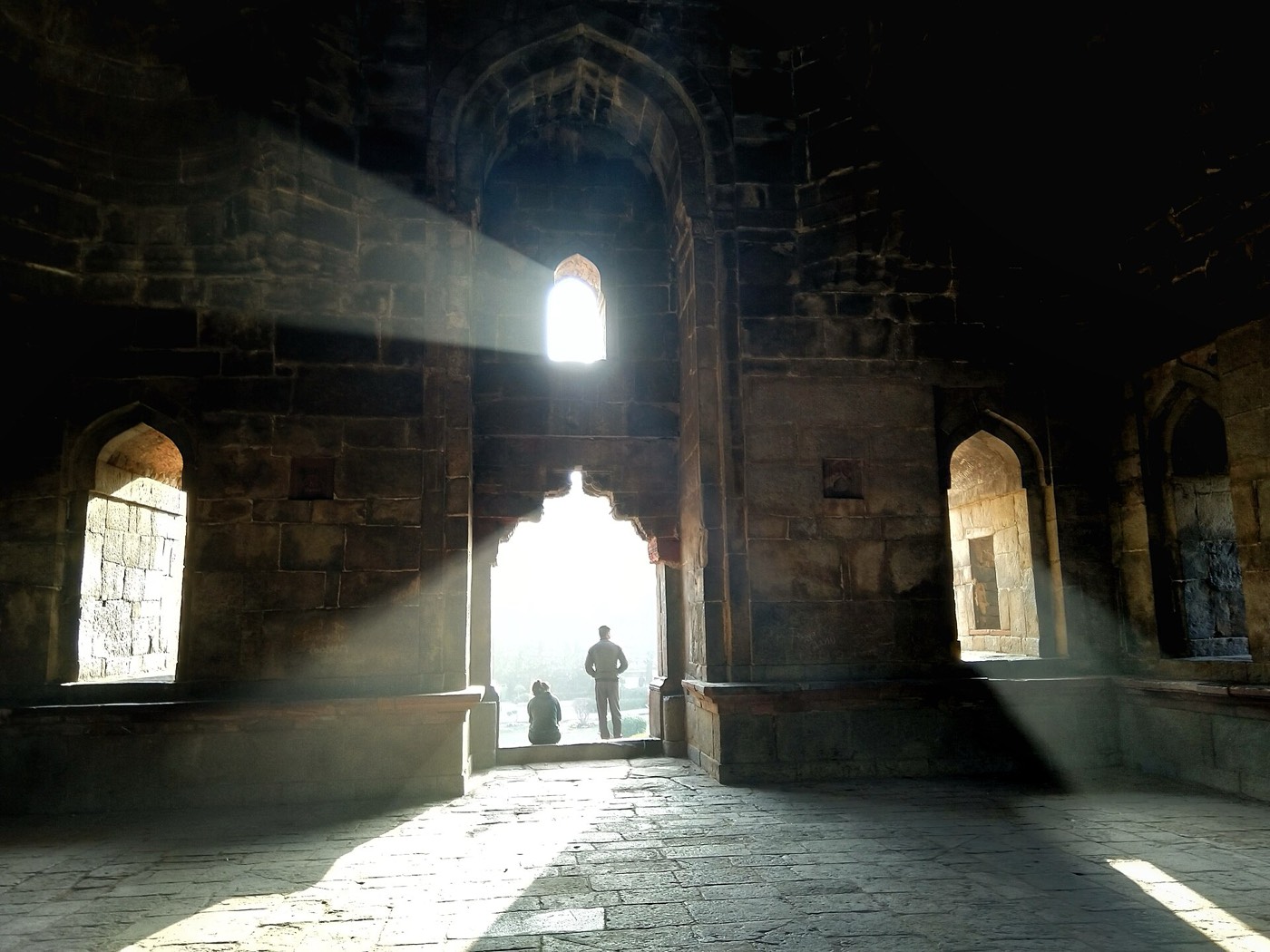
- Floral and Quranic ornament on the ceiling of the dome.
- Its position facing the Bada Gumbad across the garden.
Visiting
Official information: Archaeological Survey of India (ASI), Delhi Circle; the tomb stands in Lodi GardenDirectionsOpen in OpenStreetMapGuided tours in Delhi