History
The Bombay Gazetteer of 1879 says the tomb was built in 1453, during his lifetime, by Dariya Khan, a talented but dissolute nobleman and one of Mahmud Begada’s ministers1. The Ahmedabad Municipal Corporation’s heritage portal also gives 1453 and describes him as a nobleman at the court of Sultan Ahmed Shah, without a regnal number2. The sources therefore name different rulers: the Gazetteer’s own chronology lists the tomb among works of the reign of Qutb-ud-din Ahmad Shah II (1451-1459), which includes 1453, while Mahmud Begada reigned 1459-1511 and so came to the throne after the stated date, presumably meaning that Dariya Khan served him later1. Neither source names an architect1,2.
The Gazetteer records a local belief that the tomb is haunted and that on one day of the year Satan may be seen there at midnight, a story it links to the building’s air of gloom1. The municipal portal lists it among the city’s heritage sites, free to enter2.
Architecture
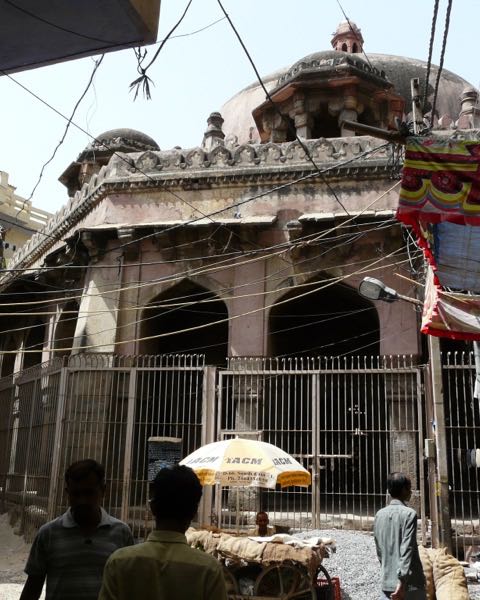
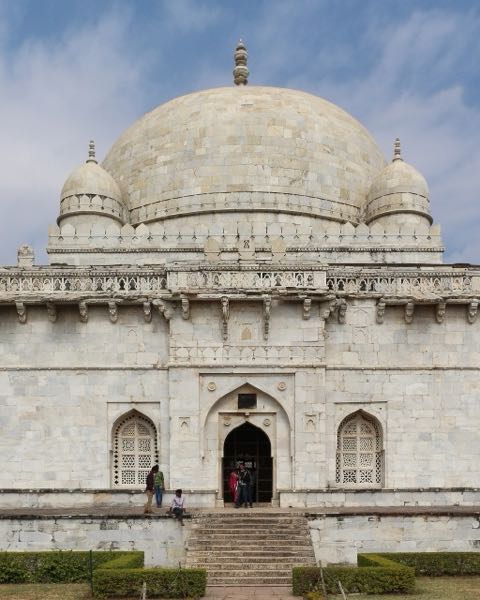
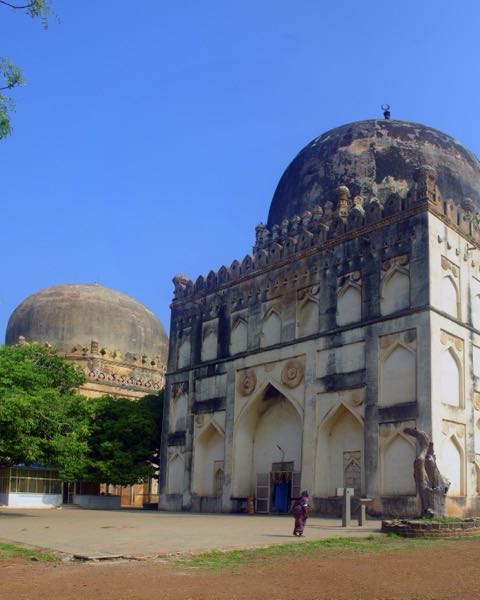
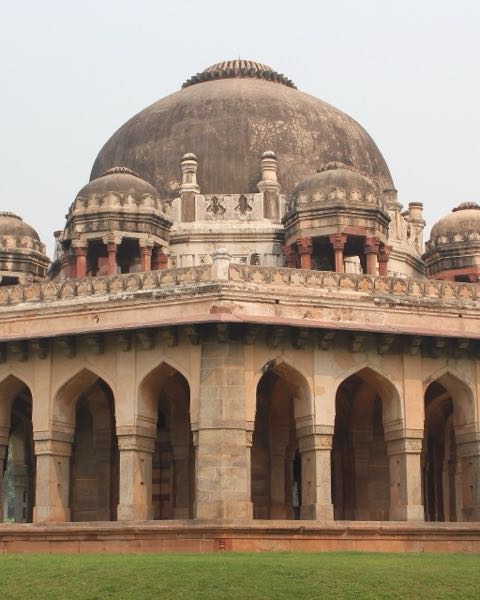
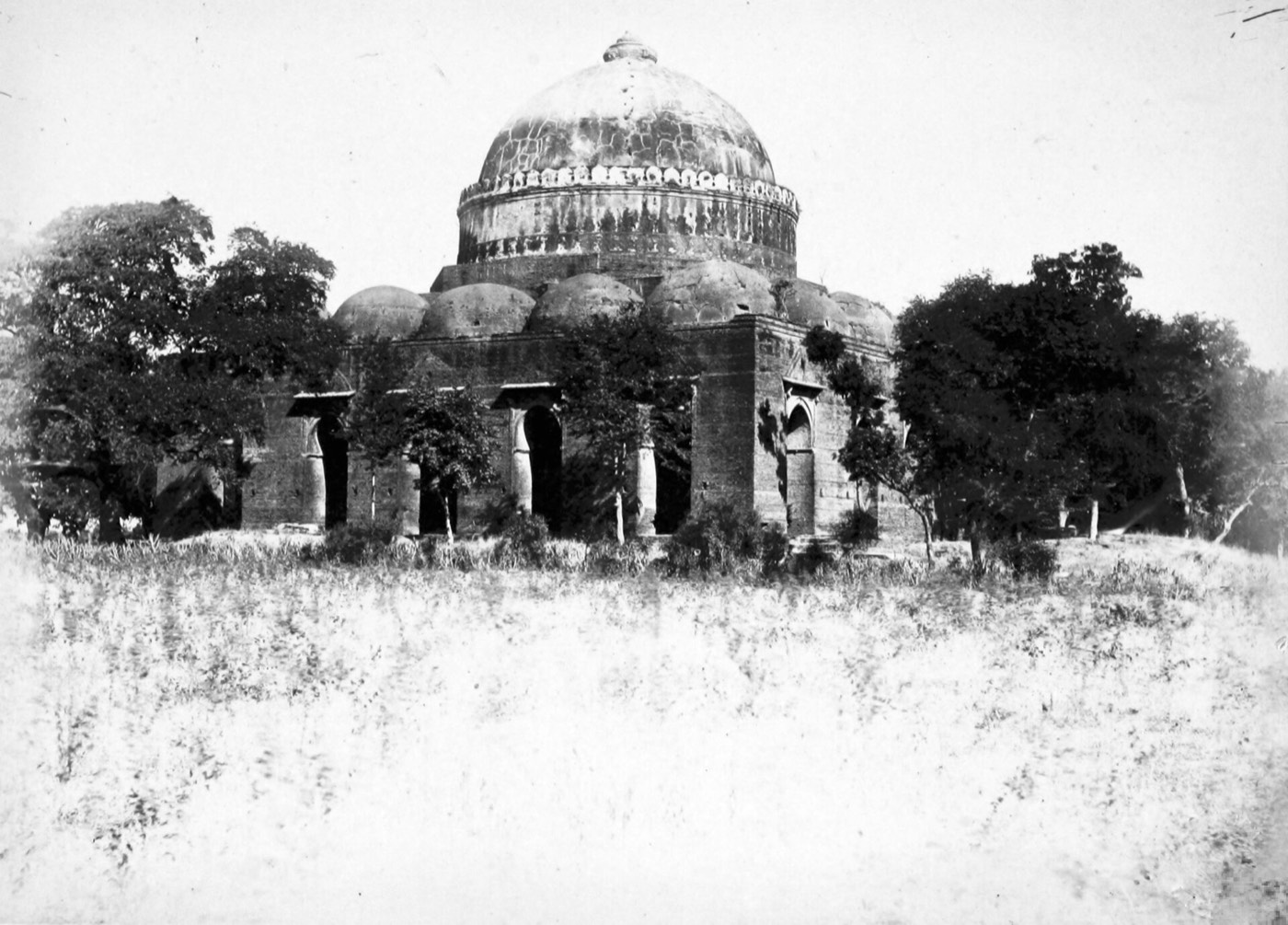
The Gazetteer calls it the largest tomb in Gujarat: a massive brick building with walls nine feet thick, in a style common all over India and without the special grace of Ahmedabad’s stone architecture1. The municipal portal calls it the largest tomb in Ahmedabad and the only entirely brick-built one, and says its brick arches draw on Persian architecture2.
A large central dome, which the portal calls the largest brick dome in Gujarat, is surrounded by sixteen smaller domes, and there are five entrances on each of the four sides. The central chamber is surrounded by a circular corridor2.
Inside
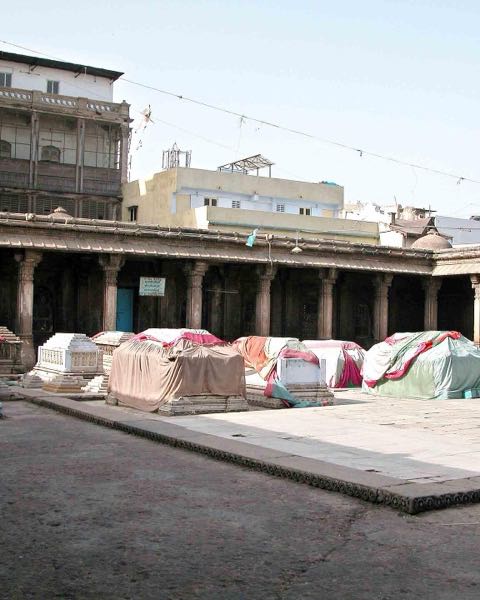
The central chamber is ringed by a circular corridor, as the municipal heritage portal describes2.
What to look for
Visiting
- The portal lists entry as free, with opening hours of 5:00 to 21:00 and a suggested visit of about 20 minutes2.
Official information: Ahmedabad Municipal Corporation heritage portalDirectionsOpen in OpenStreetMapGuided tours in Ahmedabad