History
Shah Abbas I made Ali Mardan Khan governor of Qandahar in 1625, when his father Ganj Ali Khan died, and Shah Safi kept him there1,4,5. The historian Honey Harnal writes that he fell out with the Safavid court when the minister Saru Taqi demanded his accounts and sent troops to enforce the demand, so he offered the fortress to the Mughal officers at Kabul4. In 1638 Mughal troops came to Qandahar, and when its new governor, Qilij Khan, arrived, Ali Mardan Khan left for Shah Jahan's court3,5. Made governor of Kashmir on reaching the court at Lahore, he later also governed the Punjab and Kabul and received the title Amir al-Umara, chief of the nobles4,5.
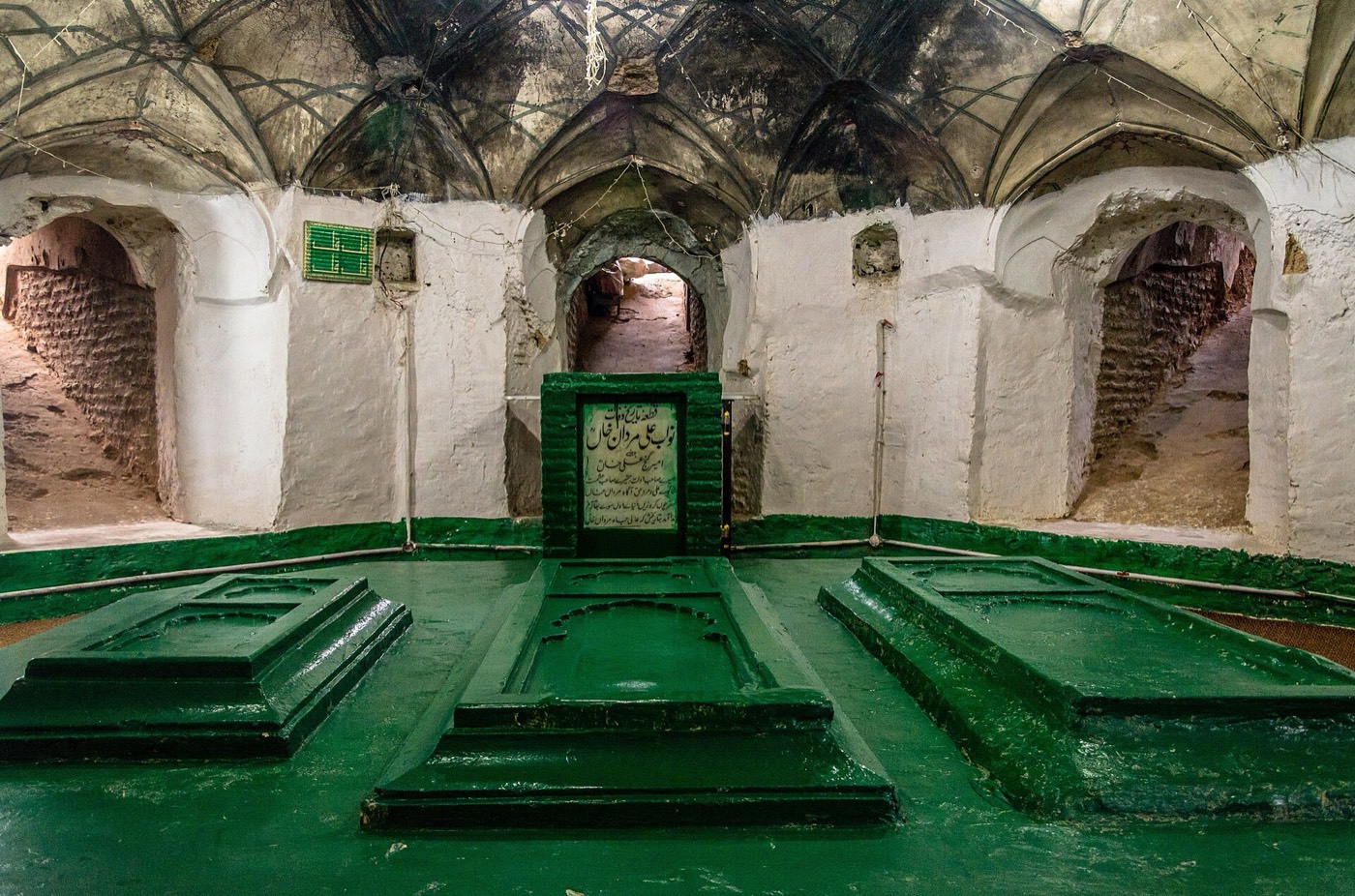
Lok Virsa credits him and Mulla Ala-ul-Mulk Tuni with the Shah Nahar, a canal brought more than a hundred miles from Rajpur (now Madhupur) to water the Shalimar Gardens of Lahore2. In 1646 he and Prince Murad Bakhsh were sent with 50,000 horsemen to take Balkh and Badakhshan4,5. The Maathir-ul-Umara, an 18th-century collection of biographies of Mughal officers, records that he died in April 1657 at Machhiwara, on his way back to Kashmir, and that his body was brought to Lahore and buried in his mother's tomb5. Lok Virsa dates his tomb to 1645, and DOAM records that under Sikh rule it was stripped of its stone facing and decoration, leaving only traces1,2.
Architecture
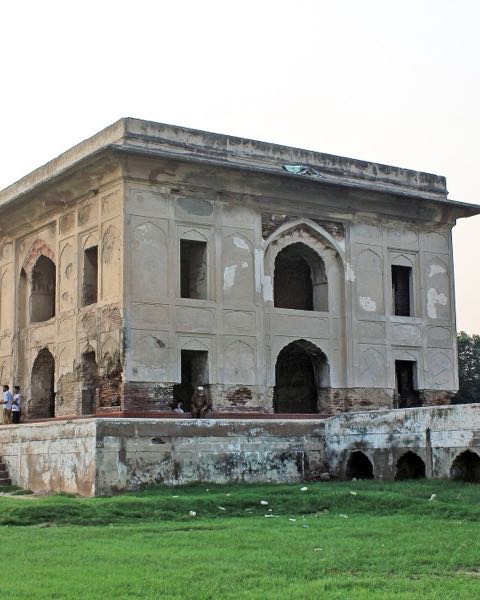
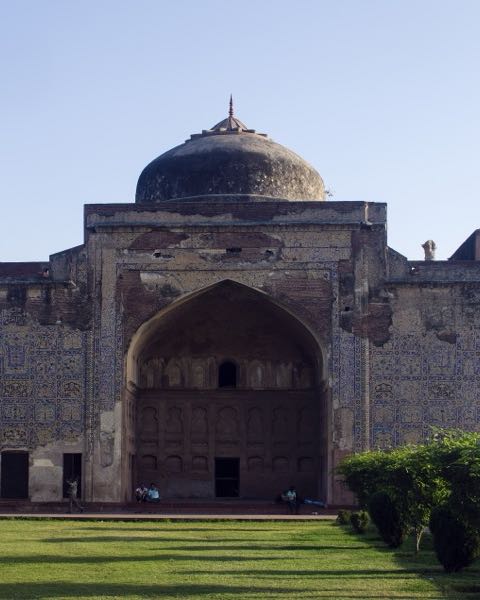
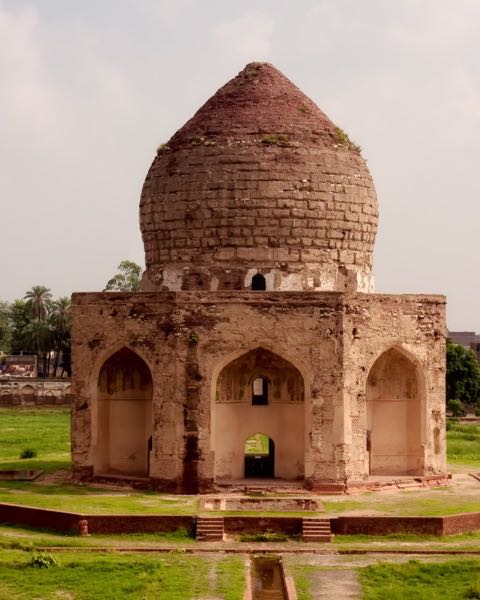
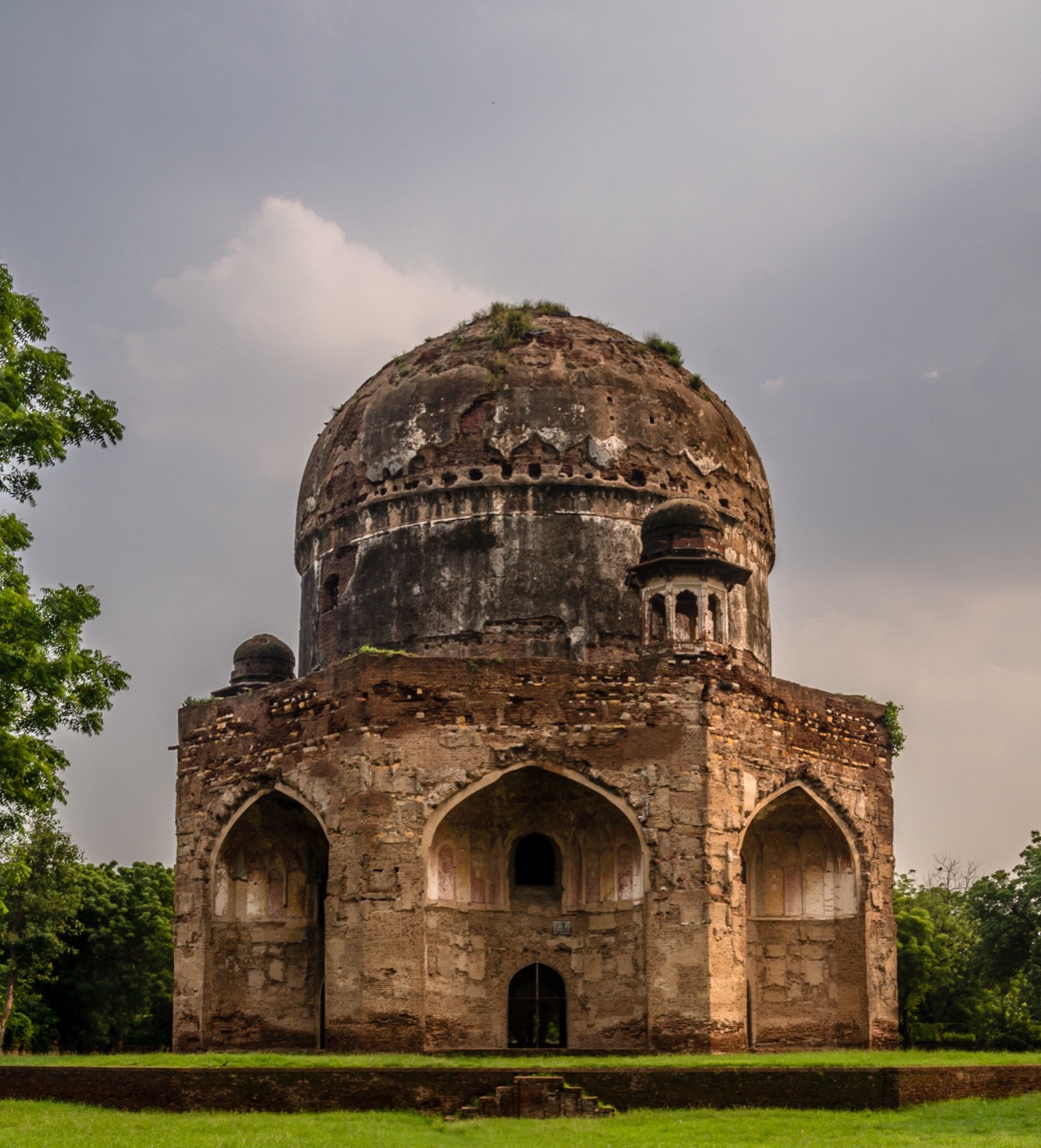
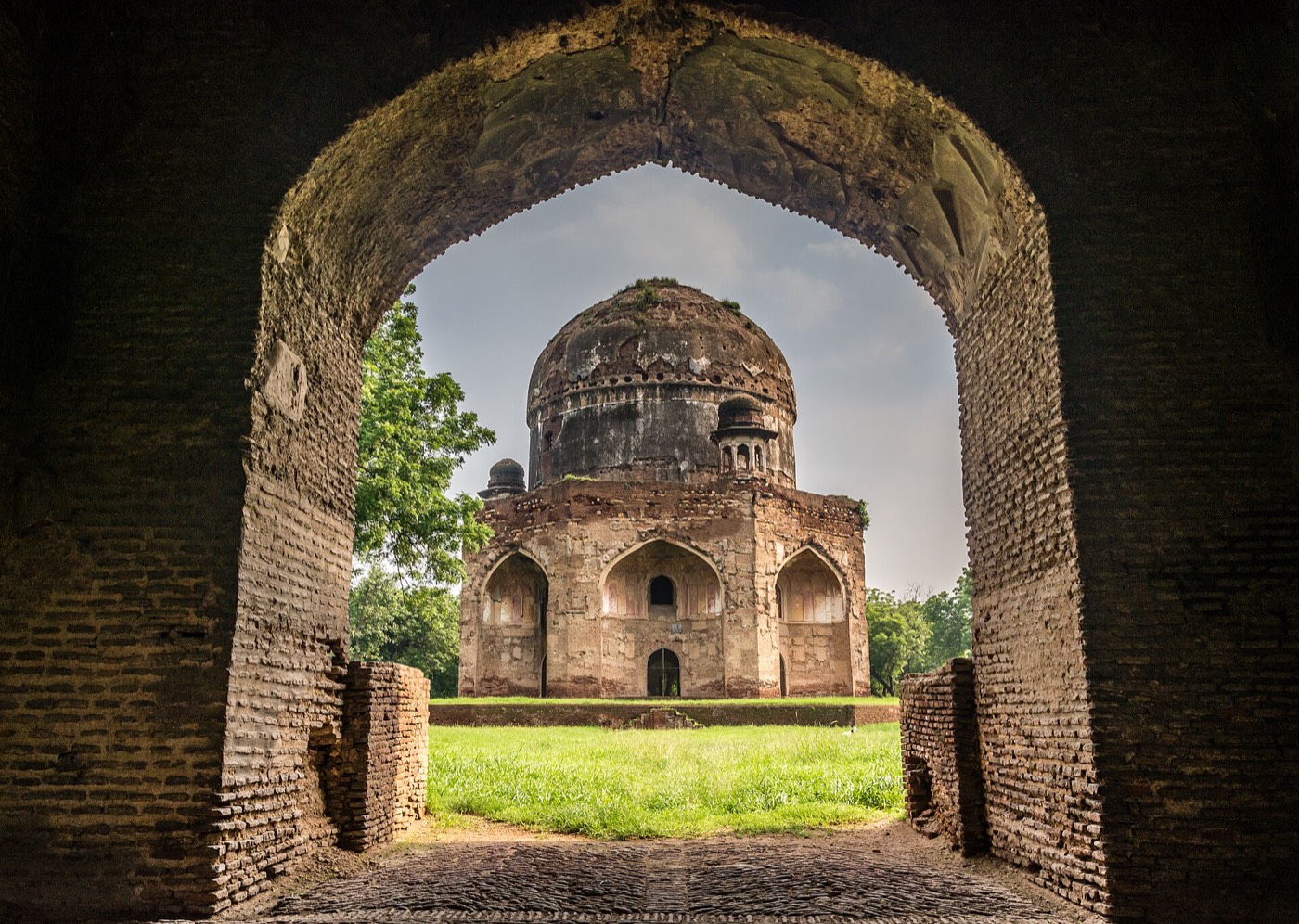
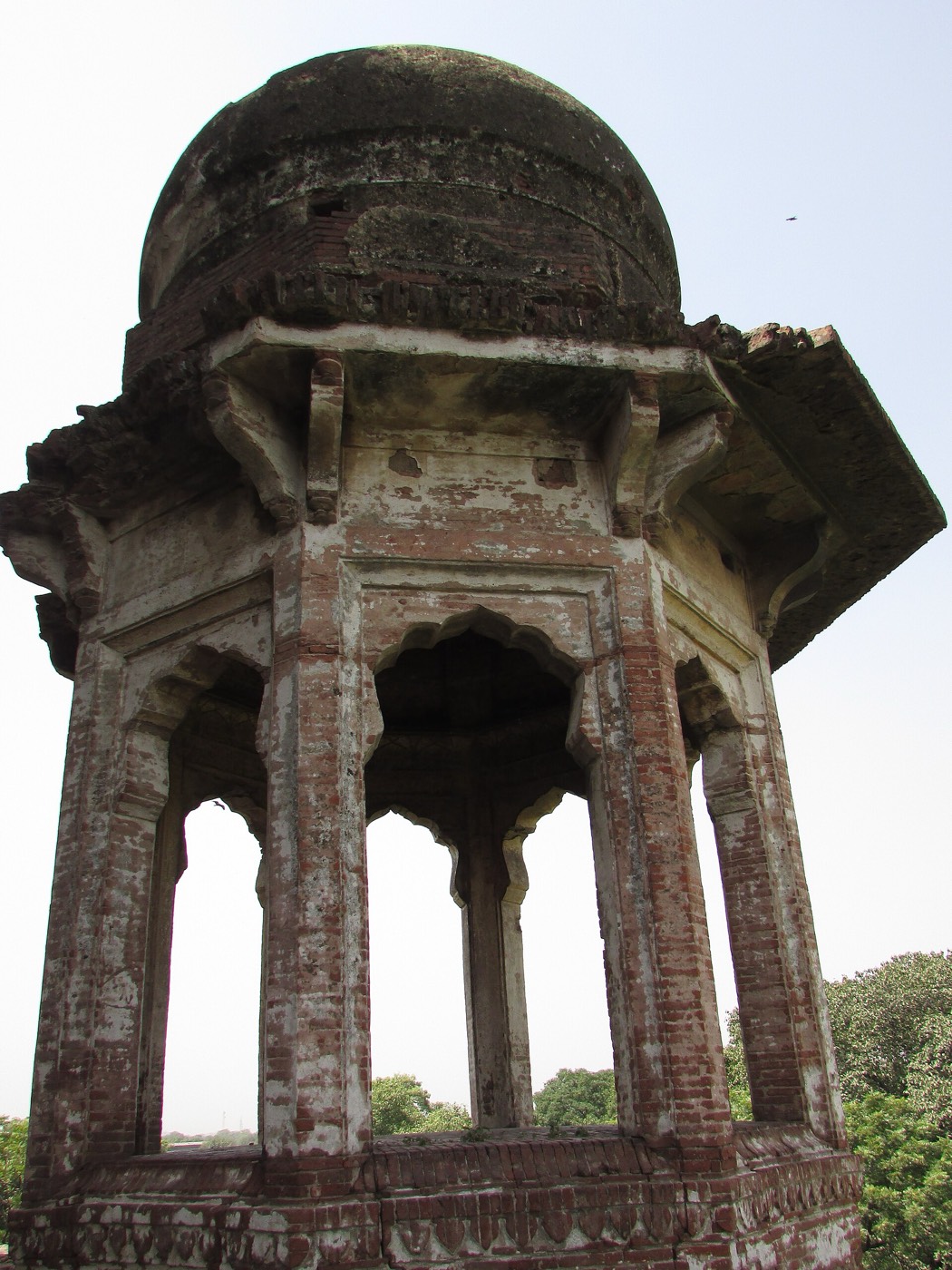
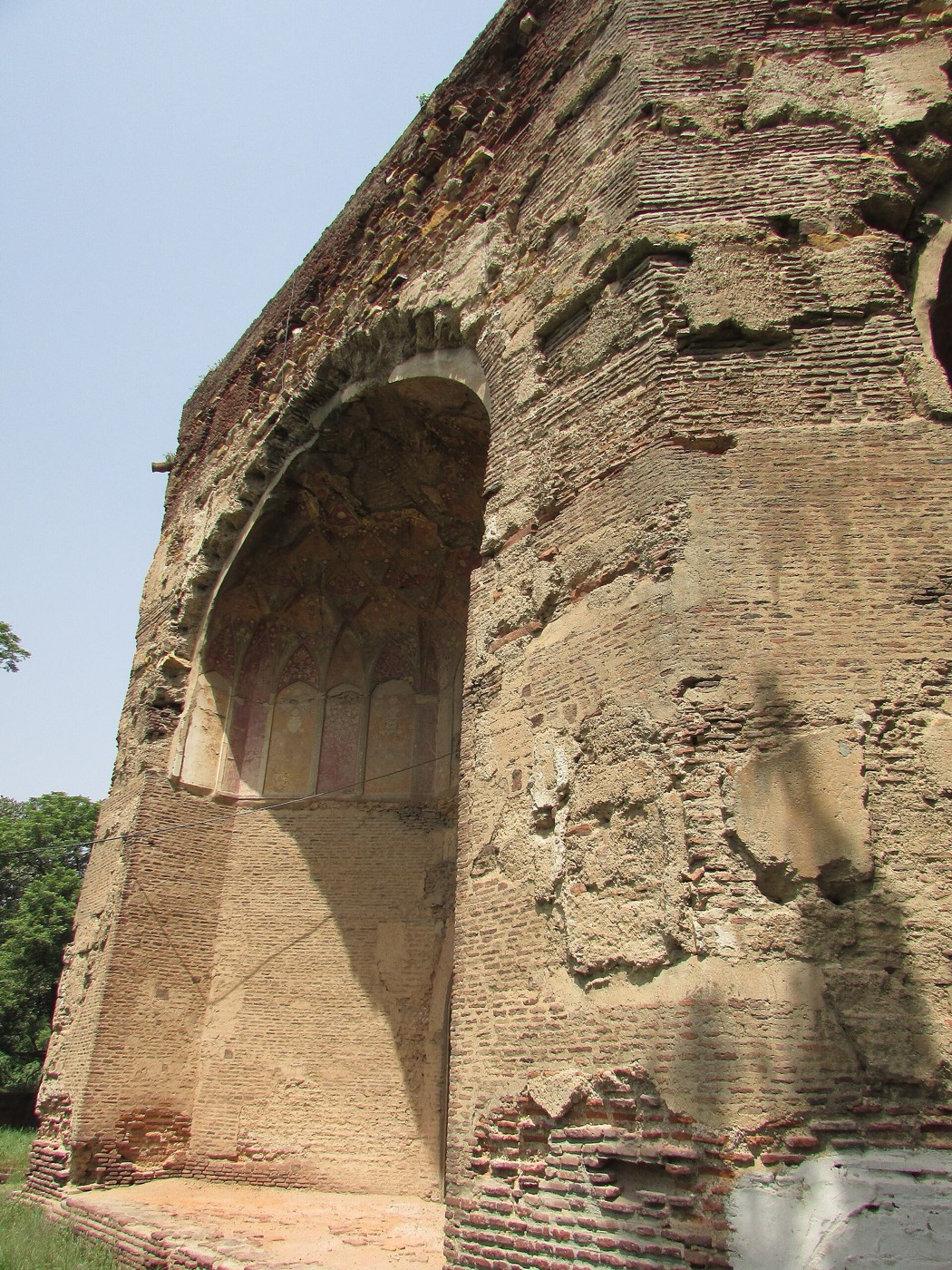
The tomb is a massive brick octagon under a high dome, with kiosks set at regular points around it1. It stands on an eight-sided podium, each side 17.5 m long1. DOAM notes that the tomb was originally finished in the decorative manner of its time, and Lok Virsa records that the dome was faced with white marble1,2. Under Sikh rule the building lost all its stone facing and decoration, of which only traces remain1.
What to look for
Visiting
- DOAM lists the tomb as federal property, protected under the Antiquities Act 19751.
Official information: Department of Archaeology and Museums, Government of Pakistan: federal property protected under the Antiquities Act 1975DirectionsOpen in OpenStreetMapGuided tours in Lahore