History
According to UNESCO’s tentative-list text, Chor-Bakr is named after four men called Abu Bakr, descendants of the Prophet, and grew up around the presumed grave of one of them, Abu Bakr Sa'd, a 10th-century ancestor of the Juybari sheikhs1. The Juybari branch of the Naqshbandi order takes its name from Muhammad Islam Juybari (d. 971 AH/1563), a deputy (khalifa) of Ahmad Kasani, who spread the order around Bukhara and left the leadership to his son Khwaja Sa'd, known as Khwaja Kalan3,4. TDV describes the Juybariyya as a hereditary line of sheikhs with considerable wealth and close ties to the Uzbek rulers Abd al-Aziz Khan and Abdullah Khan4.
According to UNESCO’s text, Abdullah Khan II began a khanqah and a mosque for the Juybari sheikhs near their ancestor’s tomb, in gratitude for their support when he came to power; Archnet dates the work to 1560-15631,2. TDV notes that both Muhammad Islam and Khwaja Sa'd kept close relations with Abdullah Khan, son of the Shaybanid Iskandar Khan3. Uzbekistan put the site on its Tentative List on 18 January 2008, and in 2023 the World Heritage Committee inscribed the Silk Roads: Zarafshan-Karakum Corridor, whose thirty-four component parts include the Chor Bakr Necropolis1,6,7. ICOMOS names it among the component parts restored in campaigns between 1999 and 20196.
Architecture
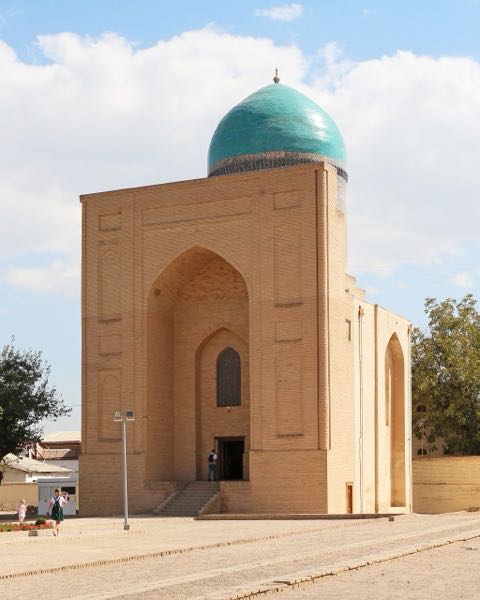
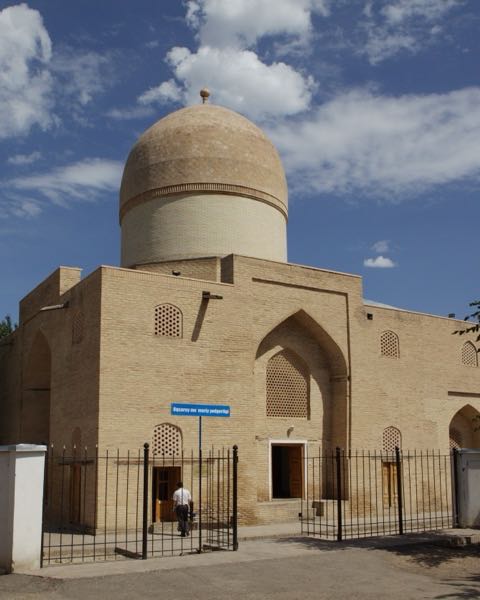
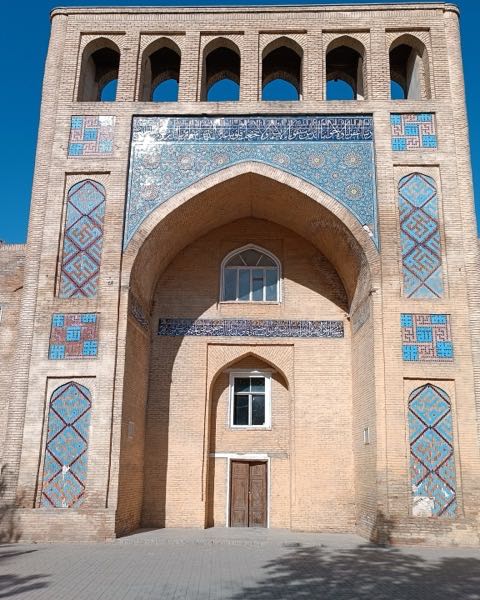
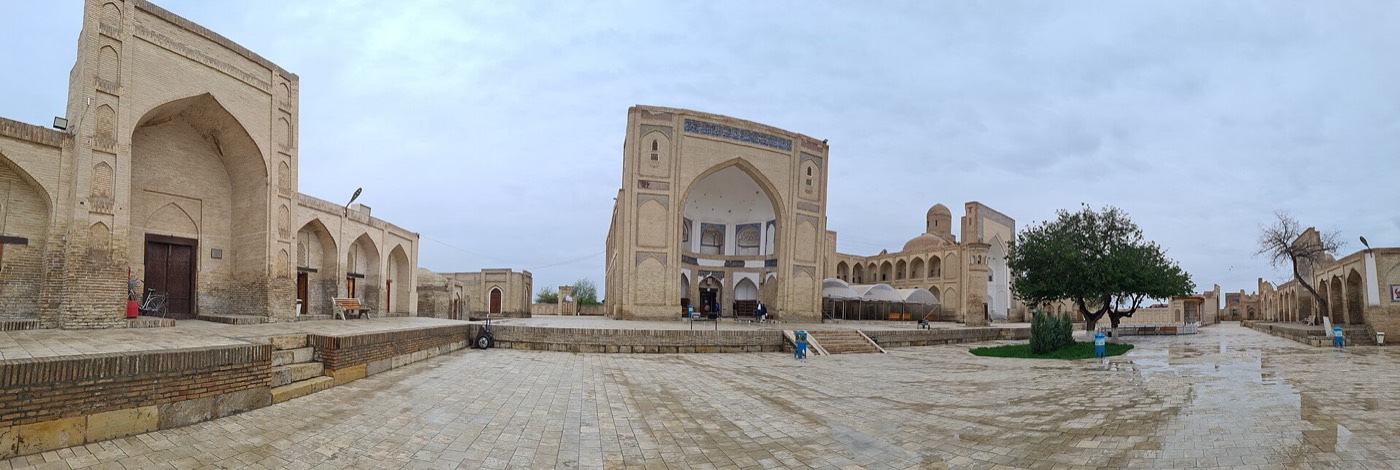
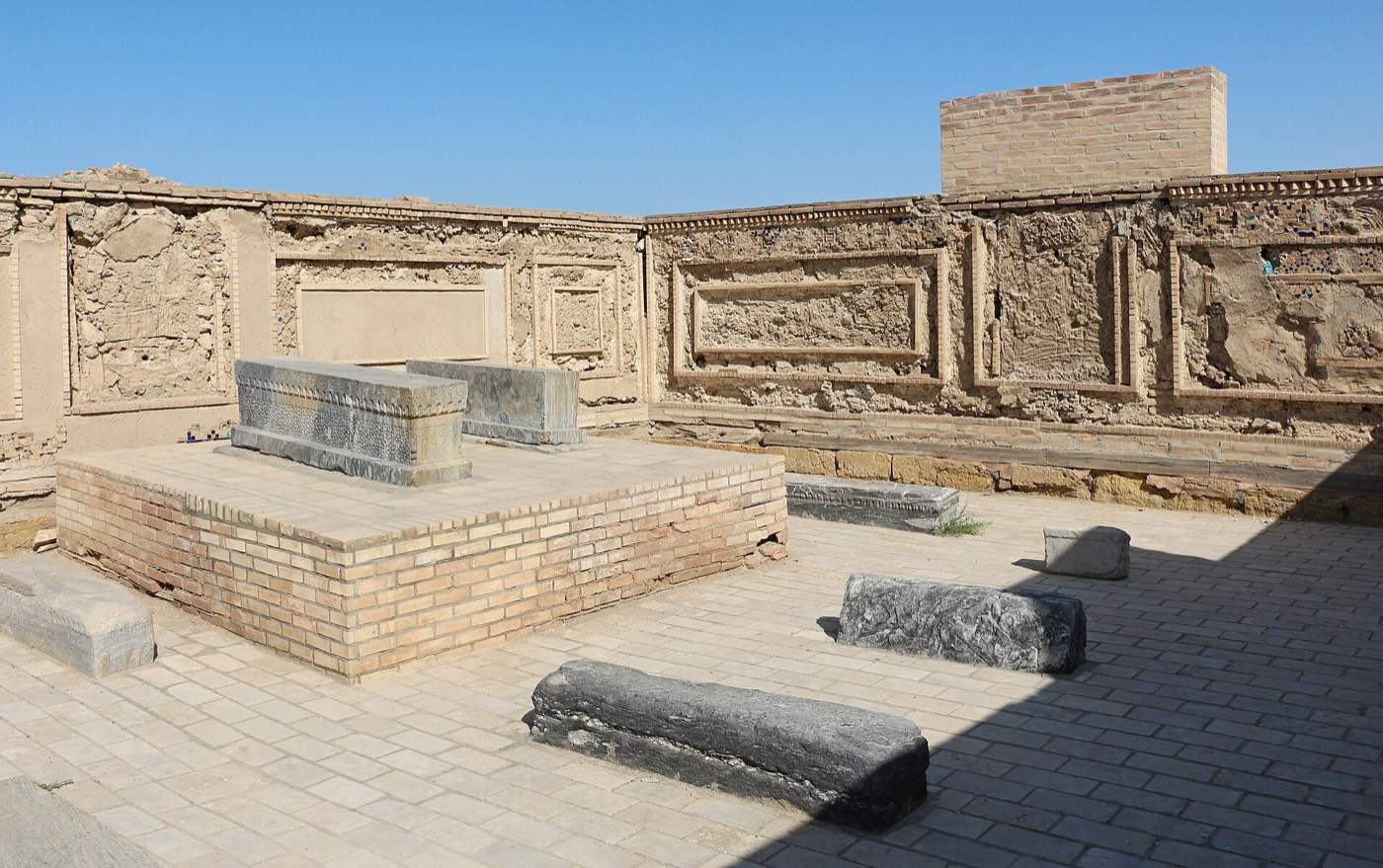
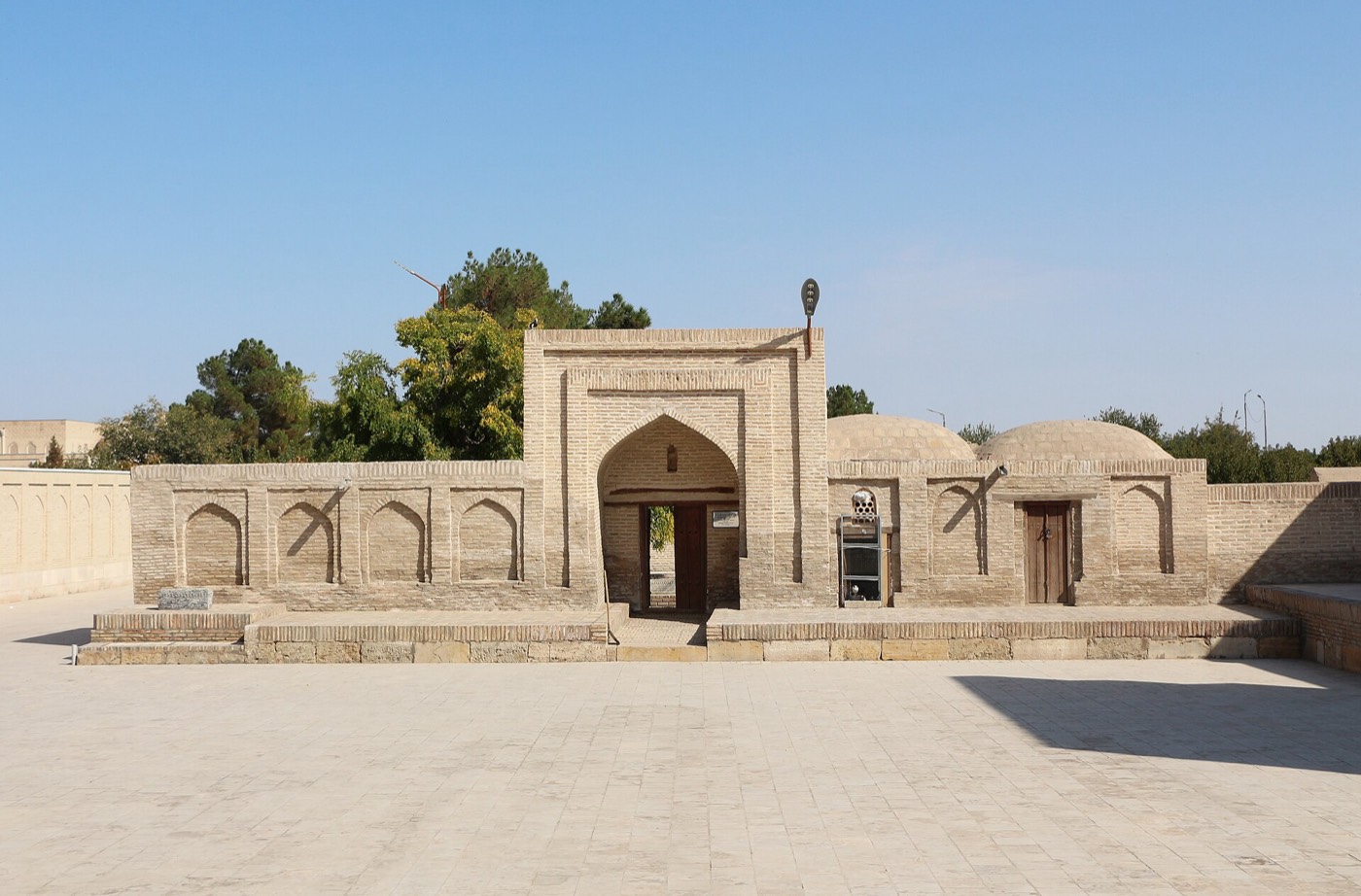
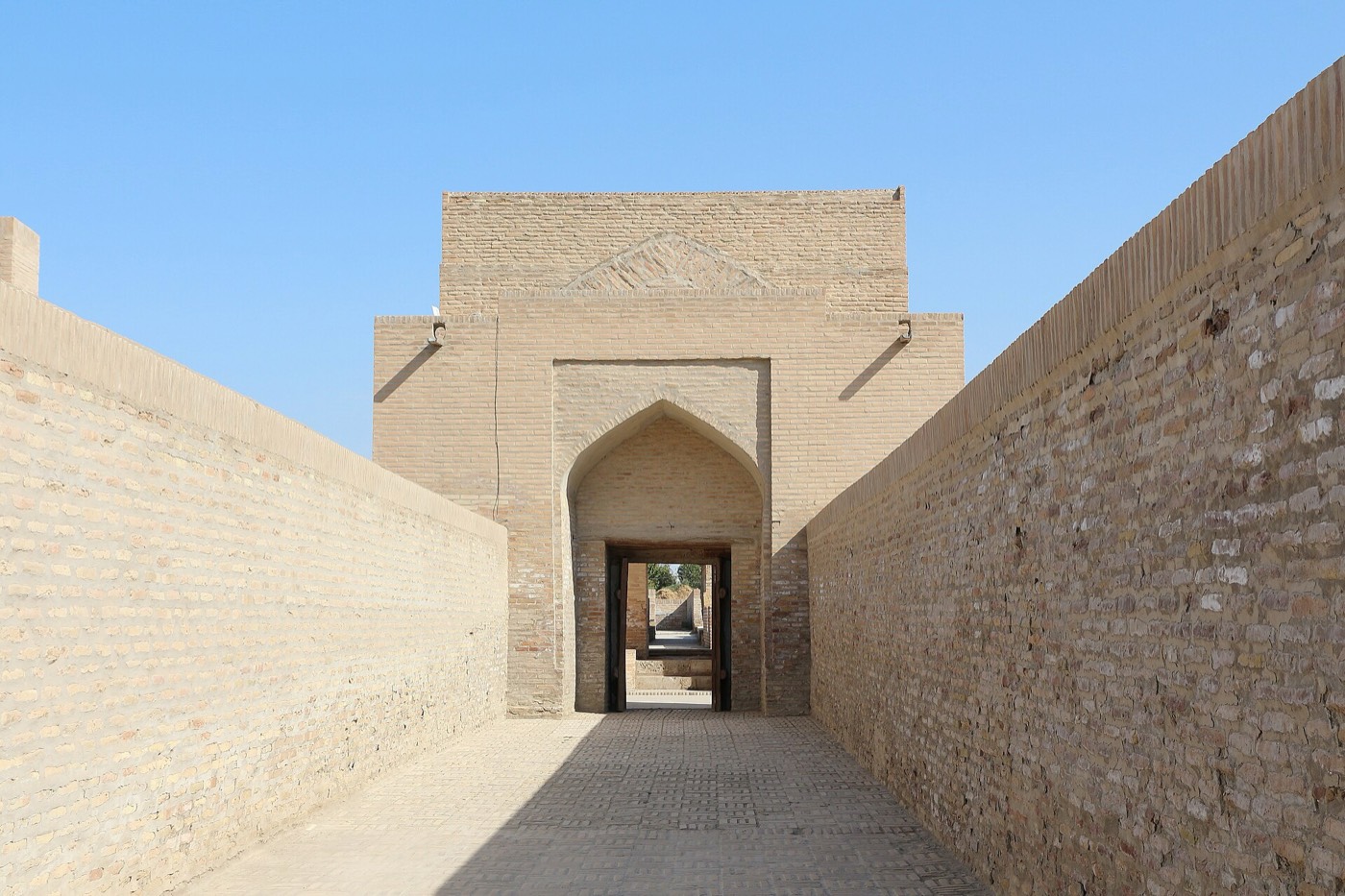
UNESCO’s tentative-list text describes a khanqah, a mosque and a small minaret added at the beginning of the 20th century, set among smaller burial structures and family courts whose marble gravestones are often inscribed; it judges that the ensemble keeps about 80 per cent of its authenticity and integrity1. Archnet assigns building work to both the Shaybanid and the Janid periods2. TDV’s survey of the architecture of Uzbekistan lists the Chor-Bakr necropolis among the late Uzbek monuments of Bukhara5. ICOMOS describes the work carried out at the restored Uzbek component parts as structural reinforcement and stabilisation, restoration, environmental improvement and landscaping6.
Inside
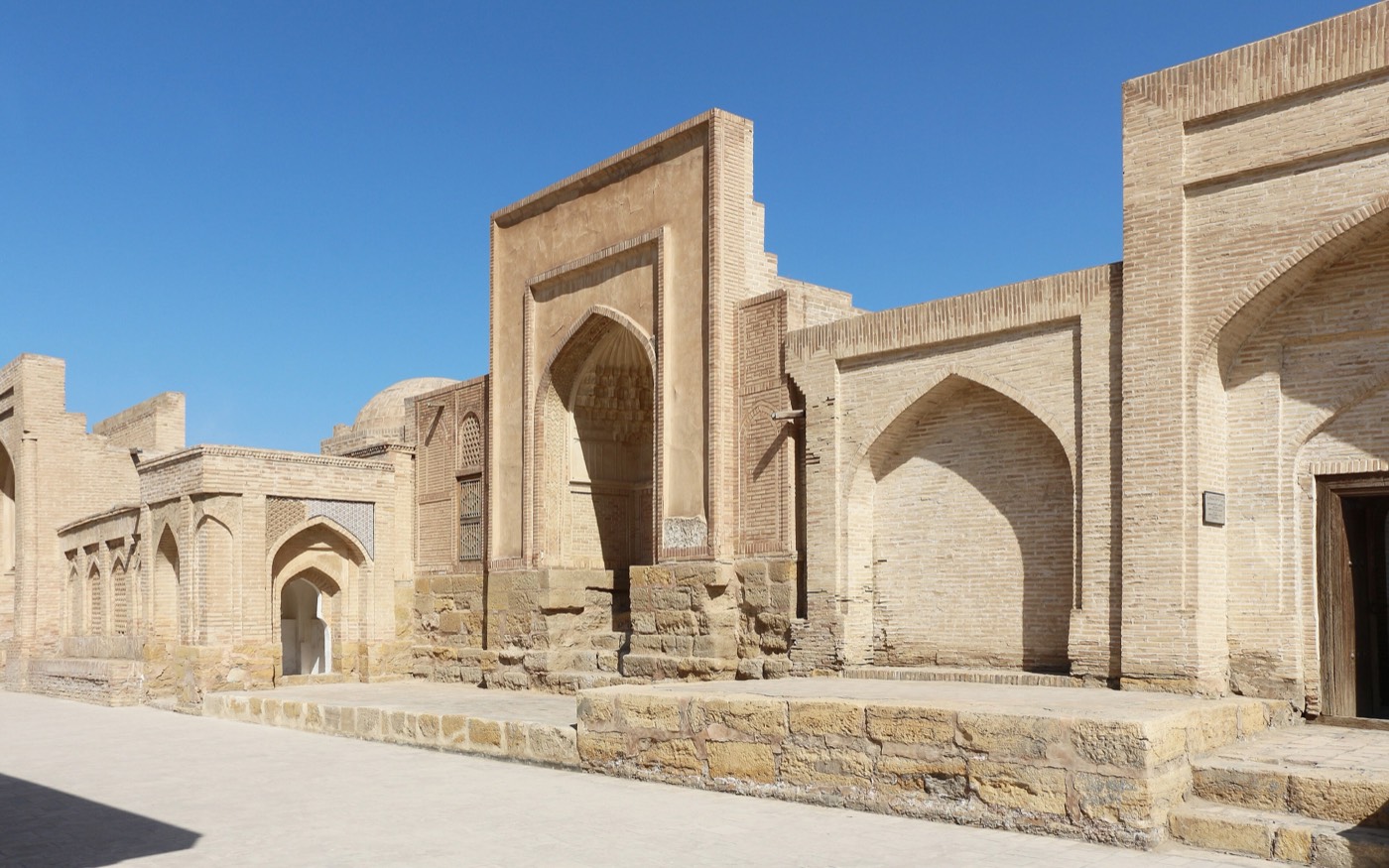
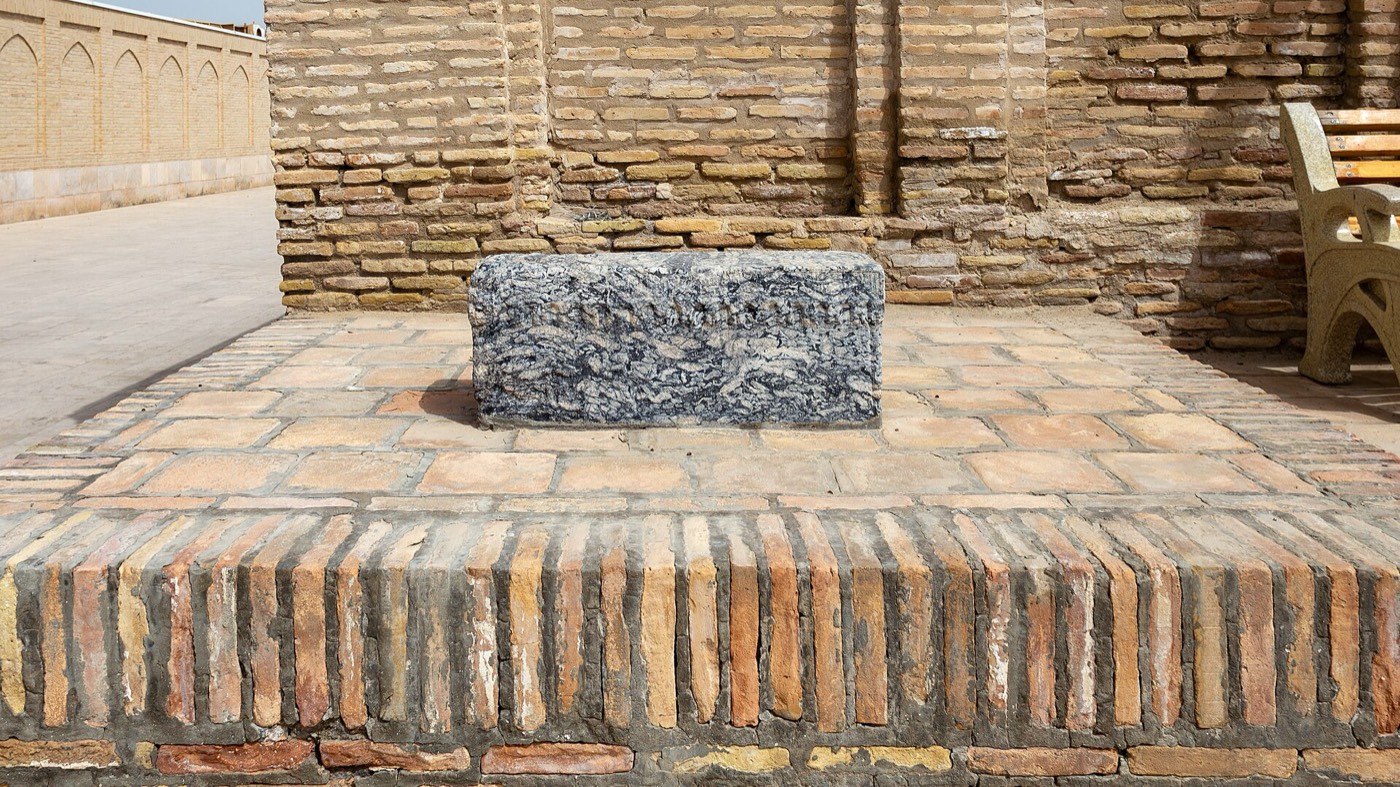
UNESCO’s tentative-list text describes the enclosure as the khanqah and the mosque built for the Juybari sheikhs and a small minaret, among smaller burial structures and family courts1. In its account the family burial courts hold marble gravestones, many of them carved with inscriptions1. Archnet dates the khanqah and the mosque to 1560-15632.
What to look for
Visiting
- The necropolis is component part UZ-13 of the World Heritage property Silk Roads: Zarafshan-Karakum Corridor, inscribed in 2023; it had been on Uzbekistan’s Tentative List since 18 January 20081,6,7.
- TDV counts Chor Bakr among the best-known tombs and places of visitation in Uzbekistan8.
Official information: Uzbekistan’s Ministry of Culture through the local branch of its Department of Cultural Heritage, which ICOMOS names as manager of the Uzbek component parts of the Silk Roads: Zarafshan-Karakum CorridorDirectionsOpen in OpenStreetMapGuided tours in Near Bukhara