History
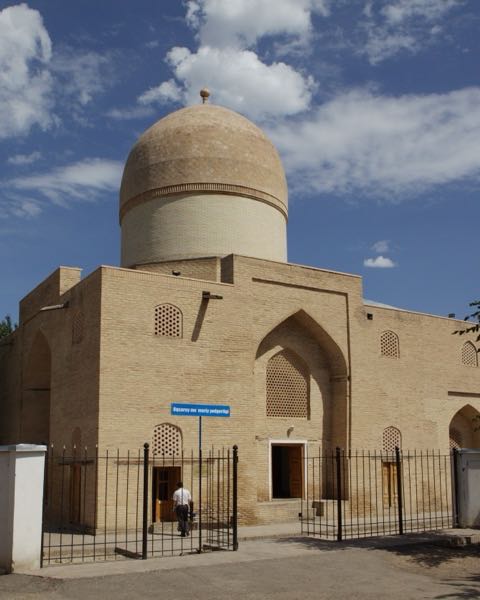
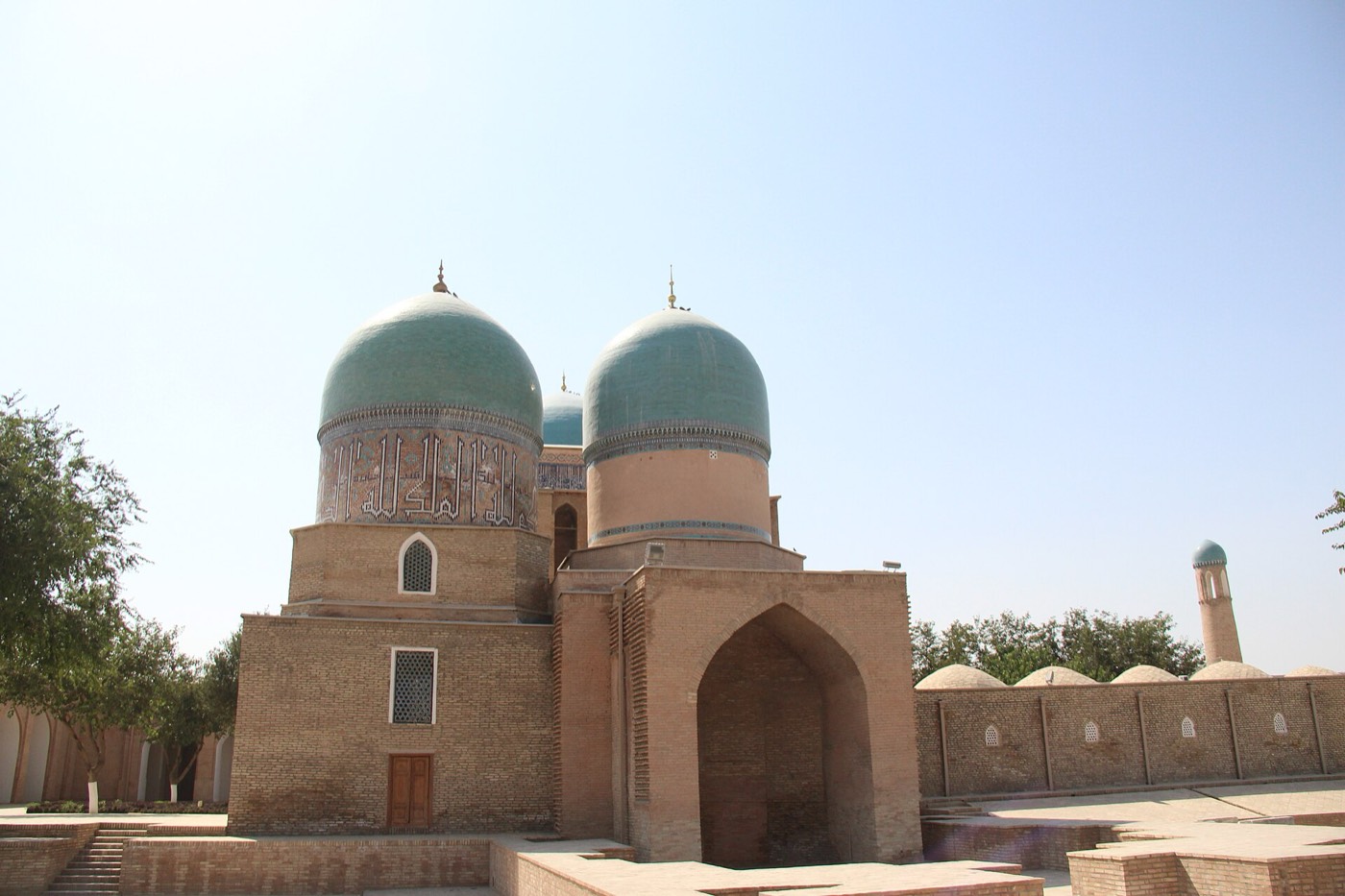
Gumbazi Sayyidan, ‘the dome of the sayyids’, stands in the Dorut Tilovat complex in the centre of Shahrisabz, Timur’s home town, formerly called Kesh6,7,10. The complex grew around the grave of Shams al-Din Kulal, a revered sheikh who died in 13716,8. According to Akbar Khakimov, quoted by Uzbekistan’s Center for Islamic Civilization, Timur moved his father Taraghay’s body to the sheikh’s burial place after taking power in 1370, and the ensemble was largely completed under Ulugh Beg8. The Kok Gumbaz (‘blue dome’) Friday mosque followed in 1435-1436, and, according to Uzbekistan’s official tourism portal, Ulugh Beg ordered this mausoleum in 1437-1438 on the site of a sayyids’ cemetery6,9,10.
Sources differ on whom it was built for. The World Society for the Study, Preservation and Popularization of the Cultural Legacy of Uzbekistan (WOSCU) says Ulugh Beg built it for the Termez branch of the sayyids, descendants of the Prophet; one of them, Sayyid Abu al-Ma’ali, was brought to Shahrisabz by Timur in 1371, often went on campaign with him and settled his family there2,3. The tourism portal says the mausoleum was intended for members of the Timurid dynasty, but adds that tombstones of the 15th to 17th centuries name sayyids of Termez and that slabs were brought from Termez and Kabul6. The sayyids’ family necropolis in Termez itself is the Sultan Saodat ensemble11.
Architecture
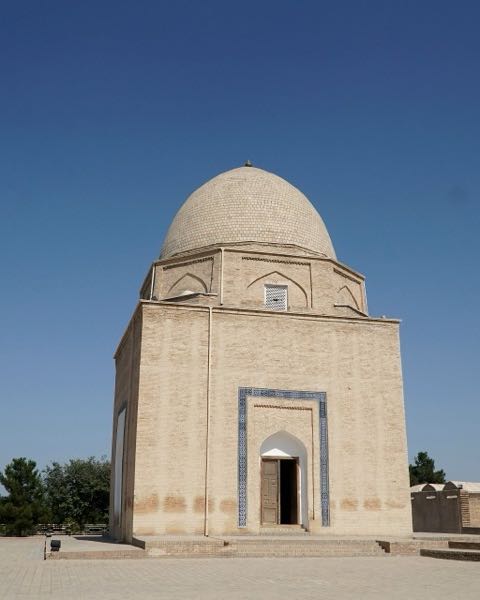
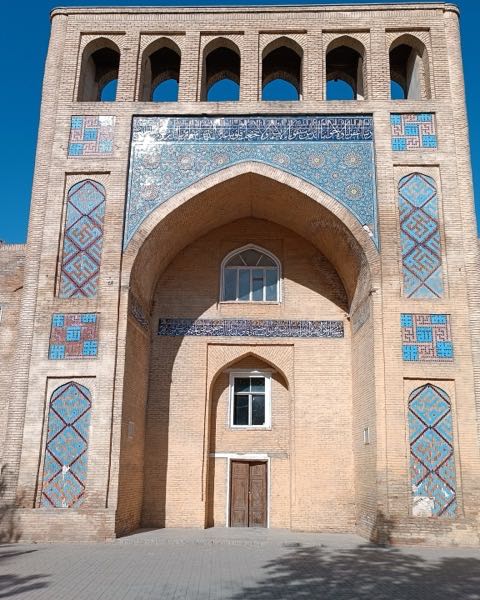
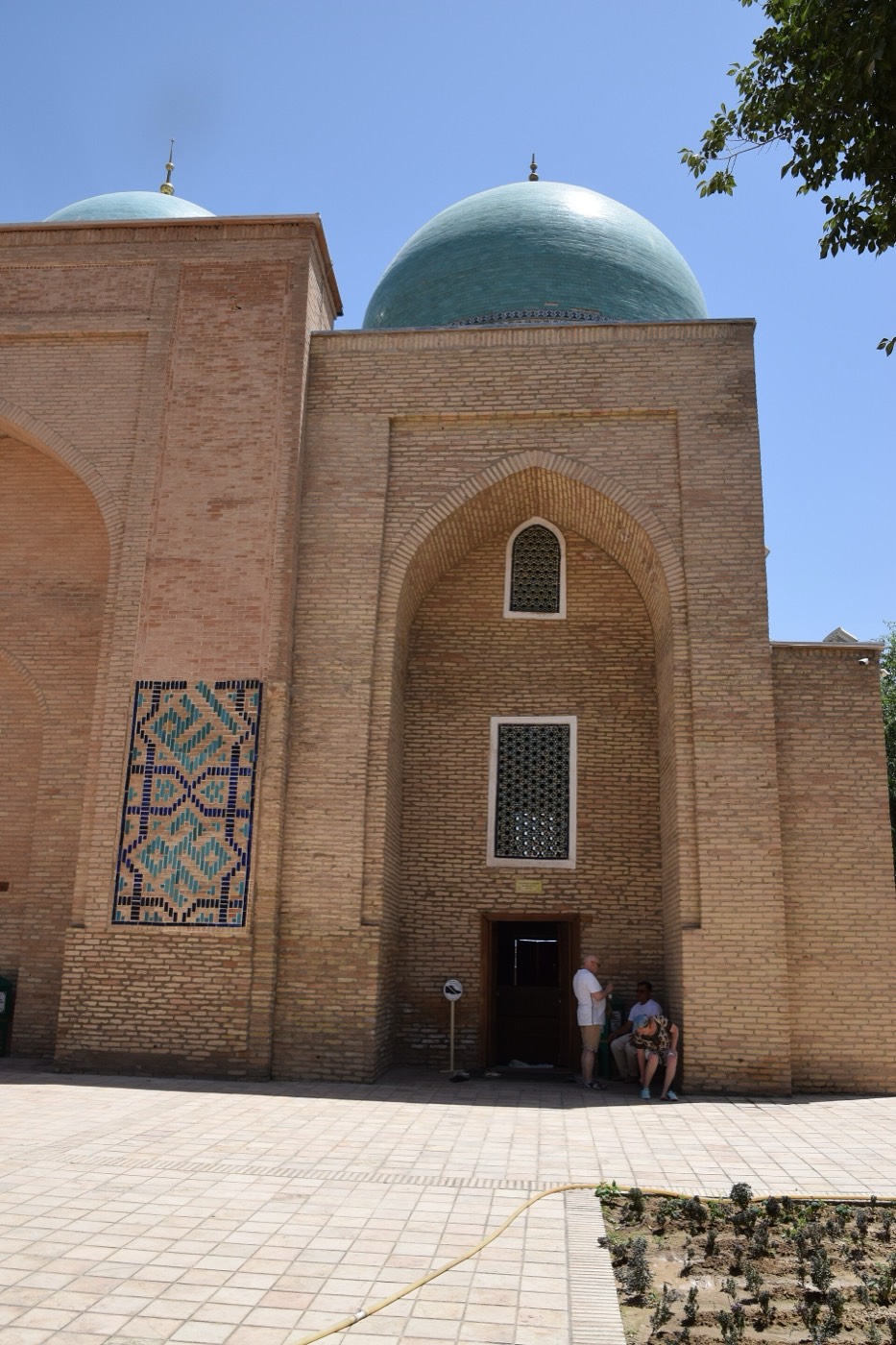
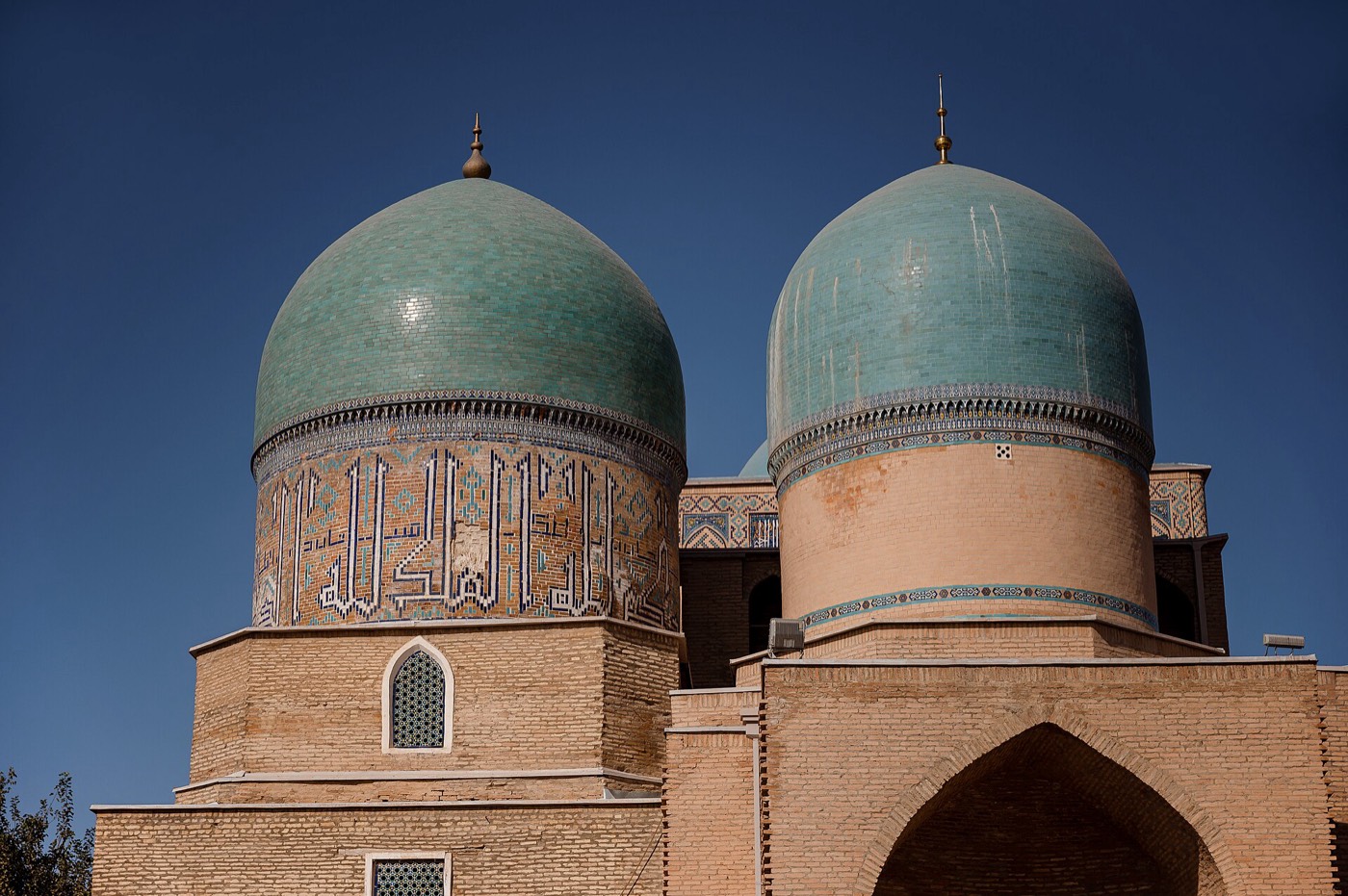
The Dorut Tilovat ensemble today has three buildings around one courtyard: the Kok Gumbaz mosque and two mausoleums standing side by side, those of Shams al-Din Kulal and Gumbazi Sayyidan6,7. According to the tourism portal, the gatehouse was added in 1904 and the cells around the courtyard in 19176. WOSCU notes that, seen from the south, the mausoleum resembles the buildings of Ulugh Beg’s time at Shah-i-Zinda in Samarkand, in its form and its outer decoration5. Its dome is a modern restoration, according to Silk Road Seattle7. The Historic Centre of Shakhrisyabz, which includes the complex, has been on UNESCO’s List of World Heritage in Danger since 2016, after houses were demolished between the Aq Saray and the Kok Gumbaz mosque in 2014-20161,10.
Inside
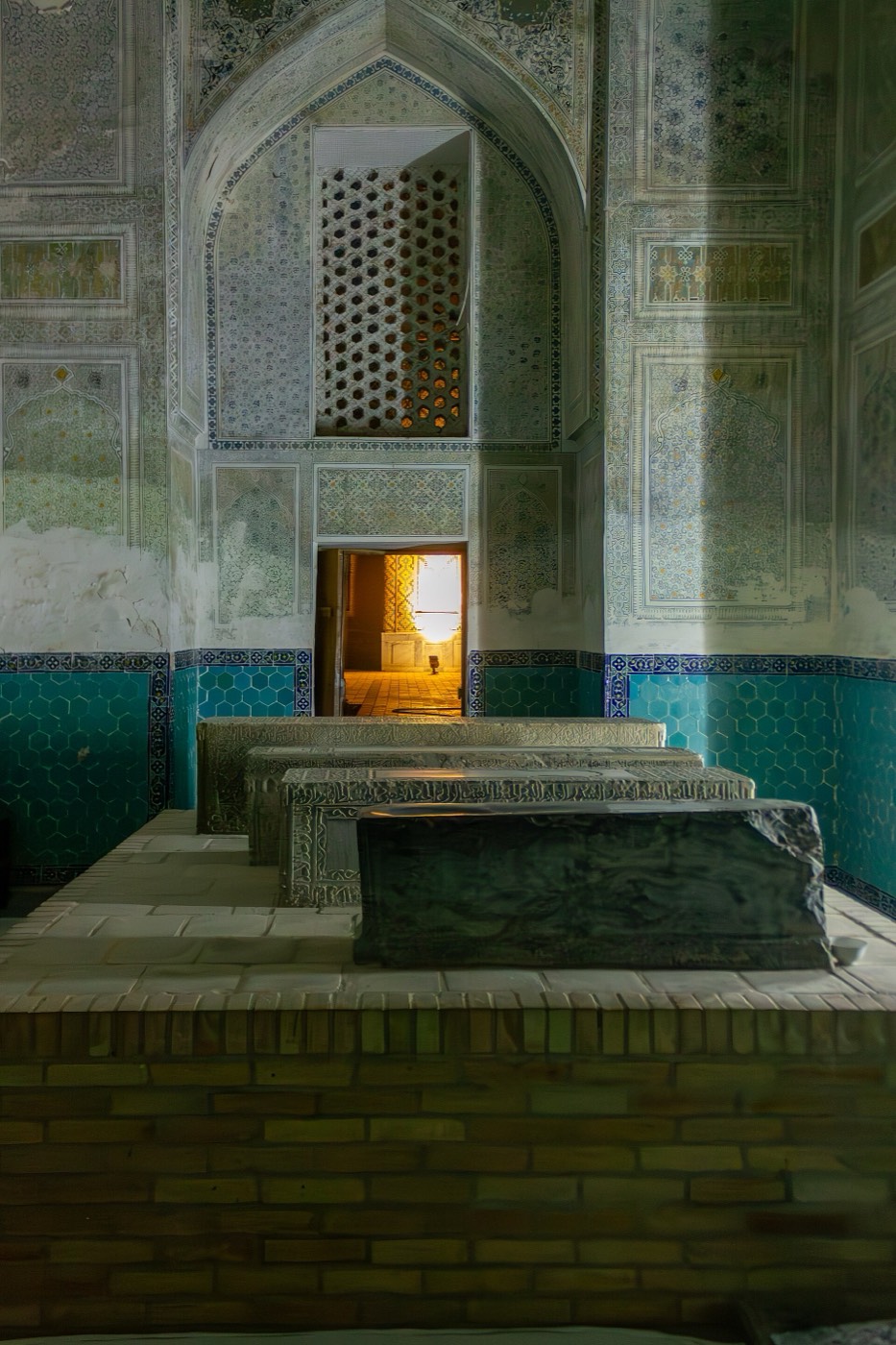
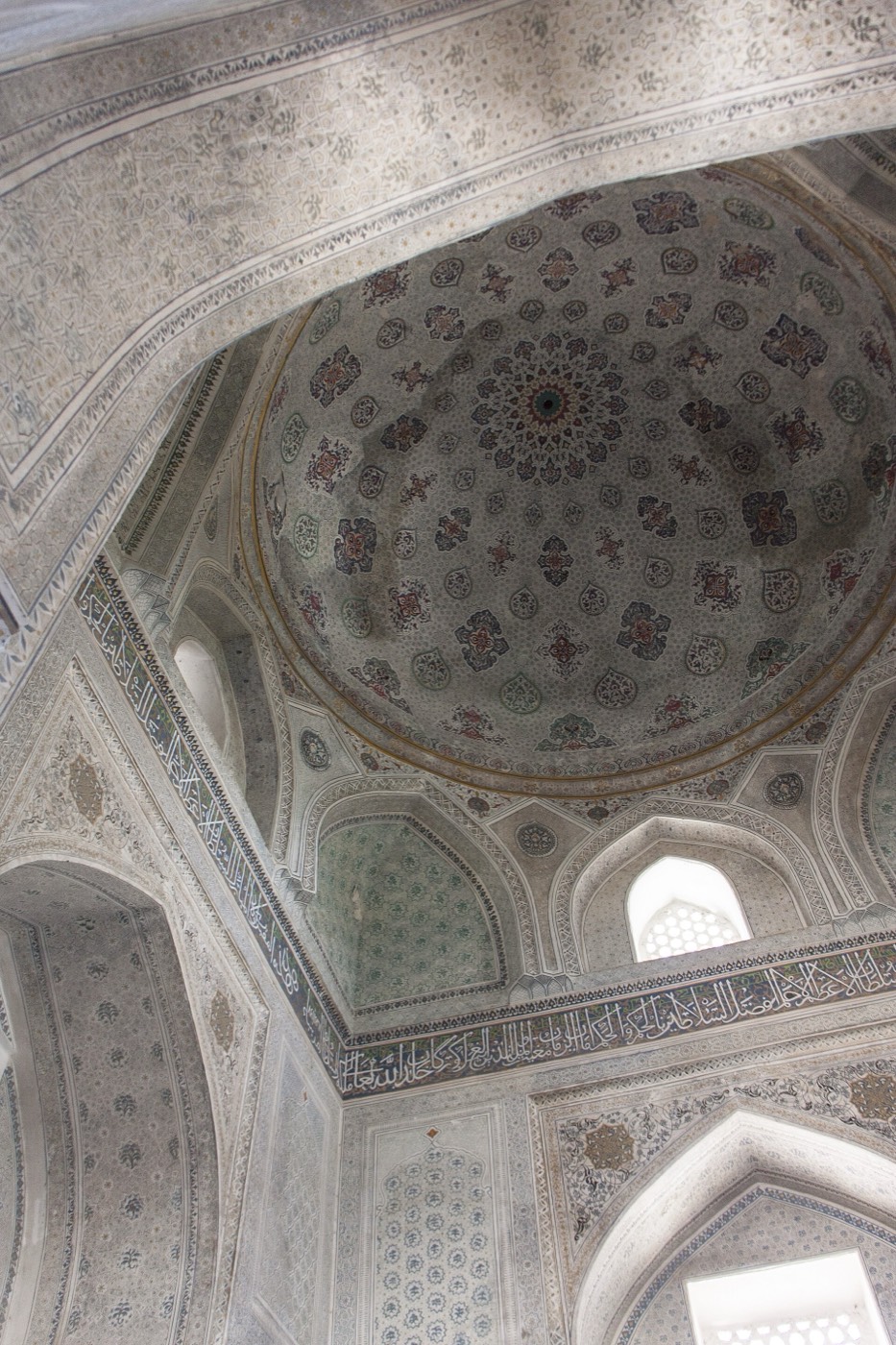
Inside, the walls are decorated with patterns painted in natural mineral pigments, and large inscribed tombstones survive in the burial chamber, according to WOSCU2. The tourism portal dates the tombstones from the 15th to the 17th century and says that several of them name sayyids of Termez6. WOSCU adds that the tomb structures over the graves of the sheikh, his followers and the Termez sayyids in the complex are lost, though photographs of them survive4.
What to look for
- Its south side, which WOSCU compares with the tombs of Ulugh Beg’s time at Shah-i-Zinda in Samarkand5.
- Interior walls painted, according to WOSCU, with patterns in natural mineral pigments2.
- Inscribed tombstones of the 15th-17th centuries naming sayyids of Termez2,6.
- The neighbouring tomb of Shams al-Din Kulal, and the Kok Gumbaz mosque of 1435-1436 across the courtyard6,7,10.
Visiting
- Gumbazi Sayyidan stands beside the tomb of Shams al-Din Kulal in the Dorut Tilovat complex, opposite the Kok Gumbaz mosque6,7.
- The courtyard is entered through a gatehouse added in 19046.
- The Dorus Saodat complex, built as a burial place for Timur’s family, belongs to the same World Heritage property1.
Official information: Regional Inspection for the Protection and Use of Cultural Heritage Sites, under Uzbekistan’s culture ministry, with the regional authorities (as described by UNESCO)DirectionsOpen in OpenStreetMapGuided tours in Shahrisabz