History
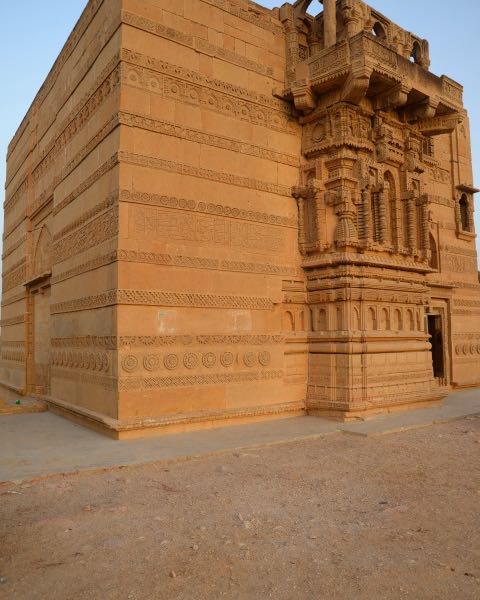
WMF describes Uch, on the edge of the Cholistan Desert, as a centre of religious scholarship that drew scholars fleeing conflicts in the region, and Pakistan's tentative list for World Heritage includes five of its monuments at the south-west corner of the town1,3. The oldest are the 14th-century tomb and mosque of the Central Asian Sufi Jalaluddin Bukhari1. A series of domed tombs followed: the first is said to have been built for Baha al-Halim by his pupil, the Suhrawardi Sufi Jahaniyan Jahangasht (1307-1383), and the second, about 1494, for Jahaniyan's great-granddaughter Bibi Jawindi1. The third is said to be the tomb of her architect, whom WMF calls Ustad Nuria1,3.
WMF dates the start of the complex's decay to a flood in 1820, followed by damage from humidity, wind, sand erosion and salt, and by repairs in cement3. It placed Uch on its World Monuments Watch in 1996, 2000 and 2002 and, with Pakistan's Conservation and Rehabilitation Center, raised grants to conserve the three main mausoleums and the mosque of Jalaluddin Bukhari3. Pakistan's Department of Archaeology and Museums submitted the group to UNESCO's tentative list on 30 January 2004, and it is still on Pakistan's list as revised in 20261,5. WMF adds that the complex draws thousands of visitors and worshippers3.
Architecture
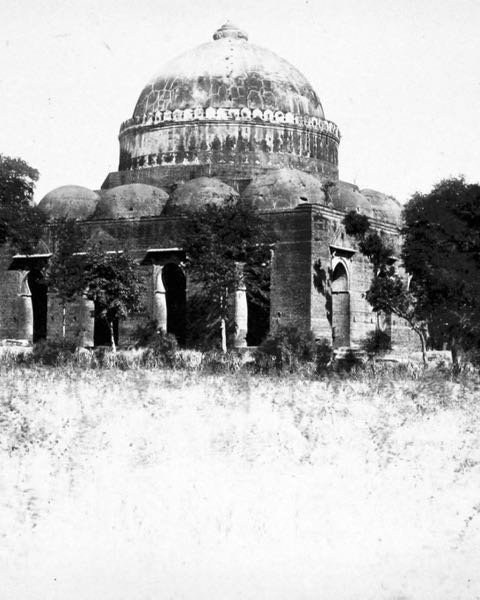
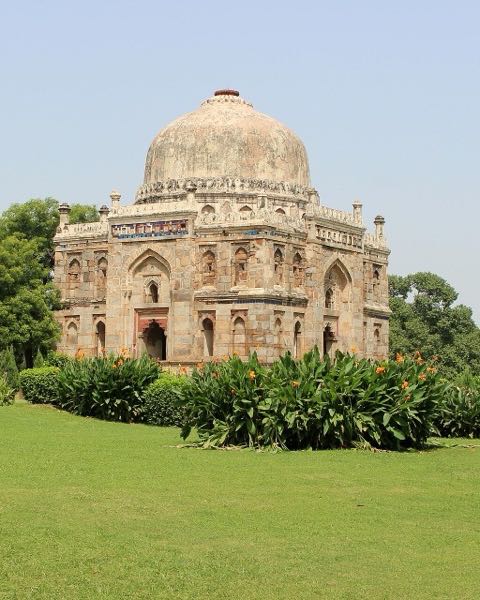
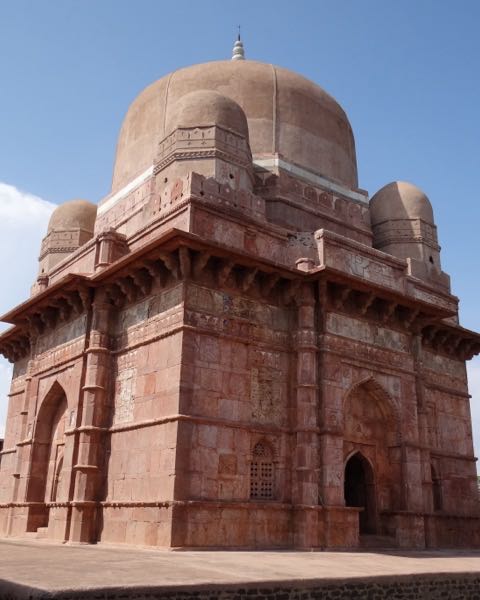
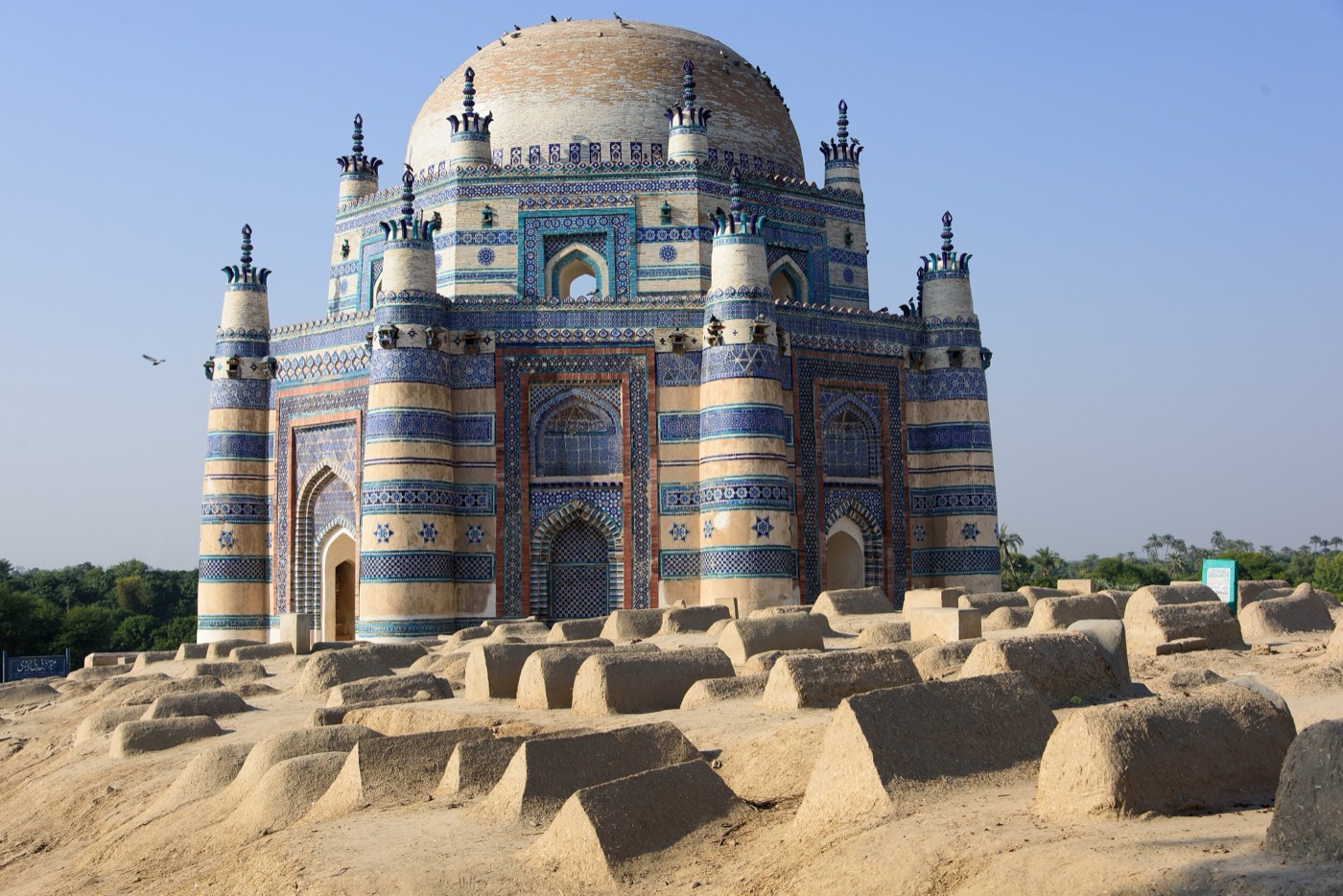
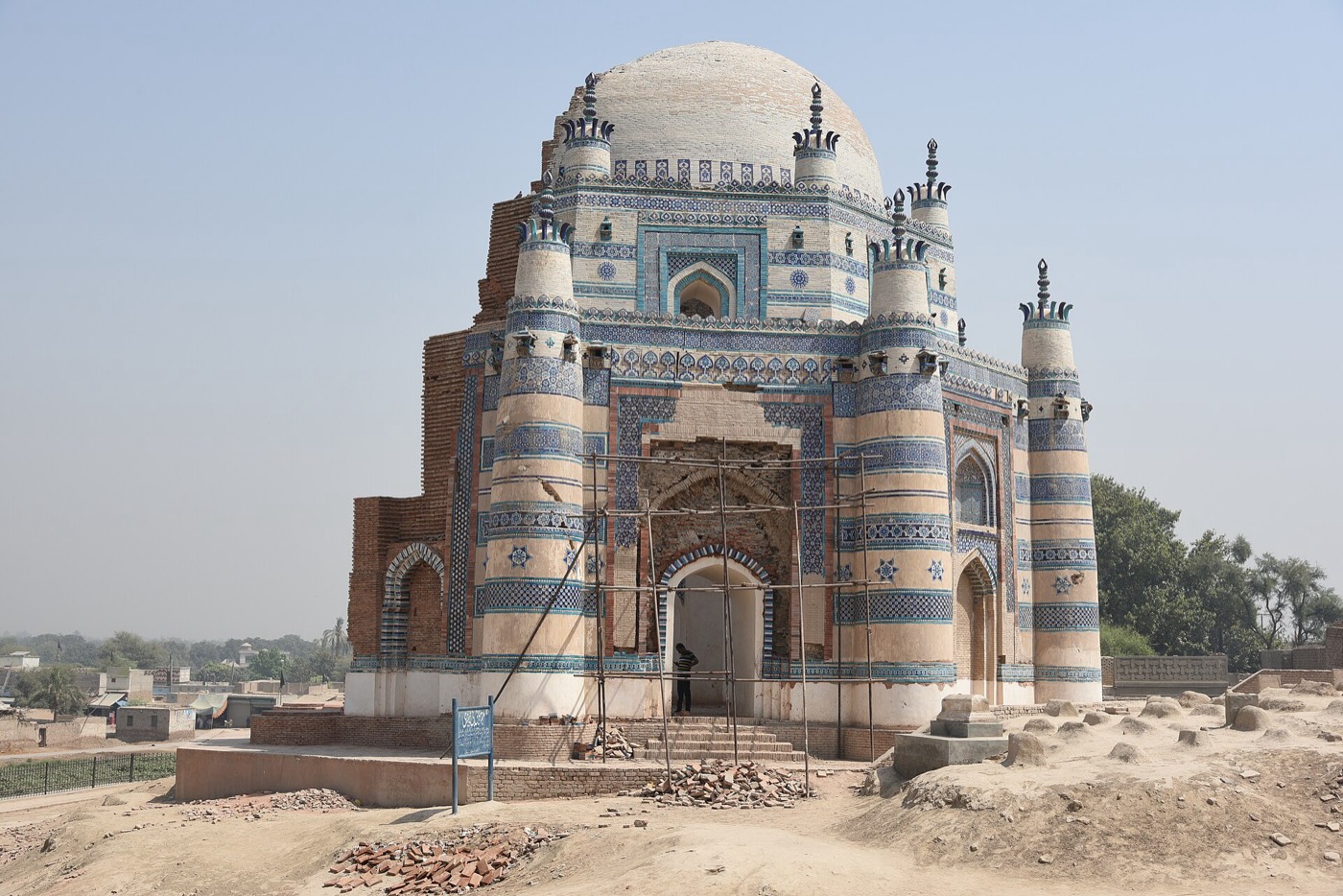
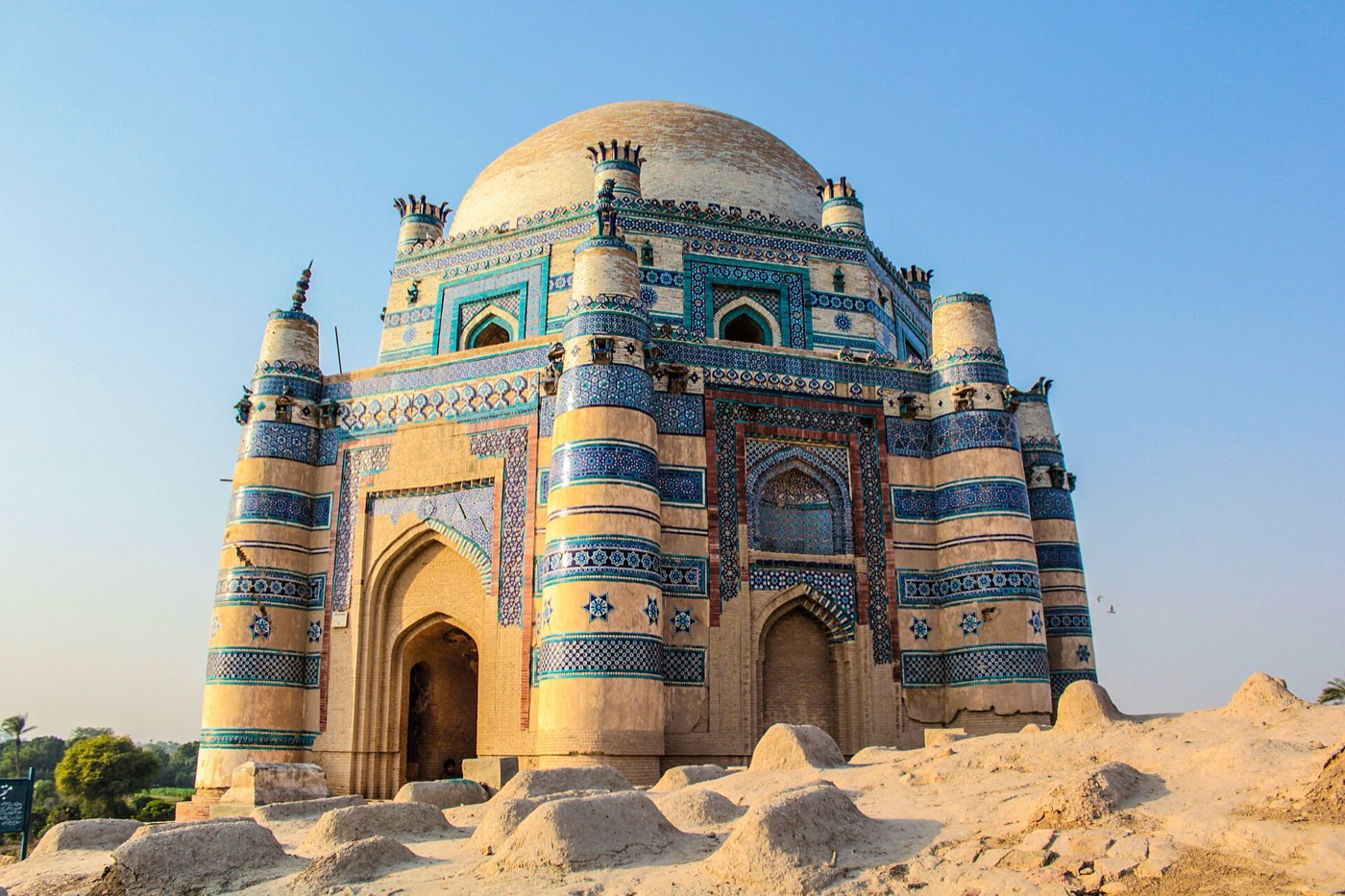
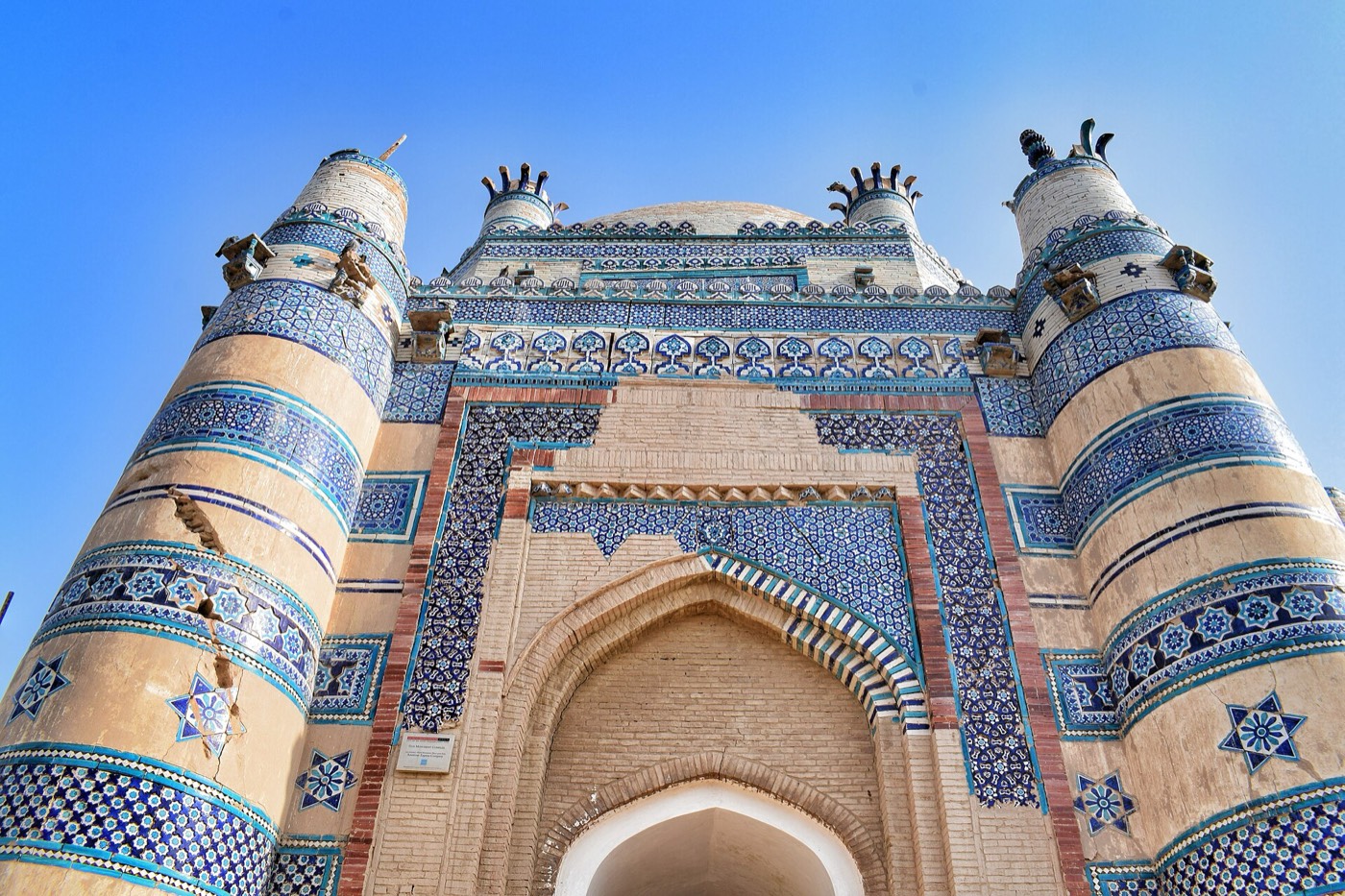
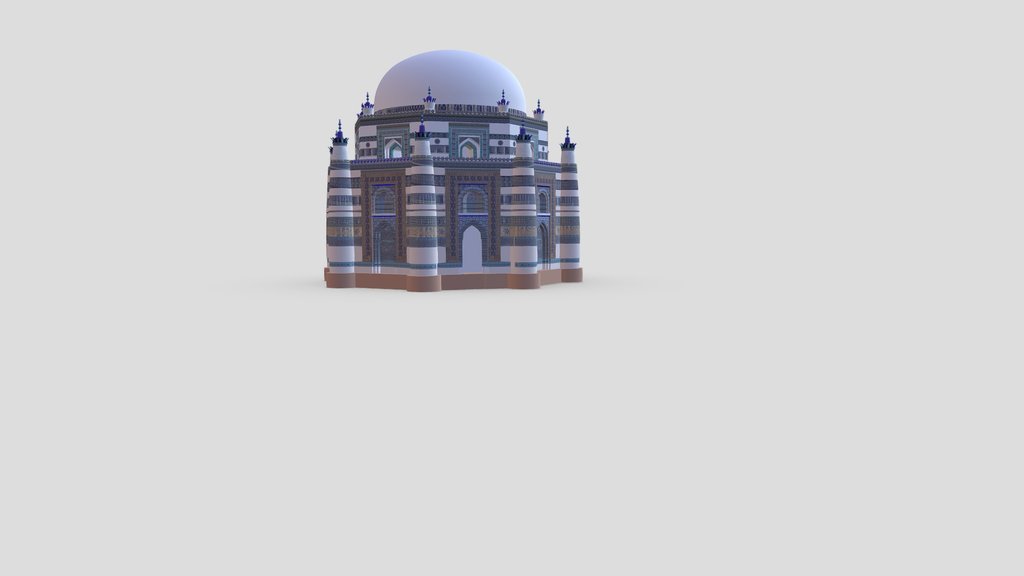
The tomb follows the three-tier plan that Lok Virsa calls the climax of the Multan style of tomb building, first seen at the tomb of Shah Rukn-e-Alam in Multan (1320-1324): an octagonal ground storey, an octagonal second storey or drum, and a dome4. It stands on a mound a few metres high and is built of brick faced with glazed tiles2. Round, tapering turrets at the corners end in round pillars, and the battered lower walls are buttressed by eight of these engaged towers1,2.
Each face has an oblong frame bordered with glazed tiles around an arched opening recessed in three stages, and the floral patterns are made of triangular tiles2. The decoration combines carved timber, cut and moulded brick and blue and white faience mosaic, in the cobalt blue, turquoise and white of the Multan school1,4. On the south-west side a flight of steps led to the second storey2.
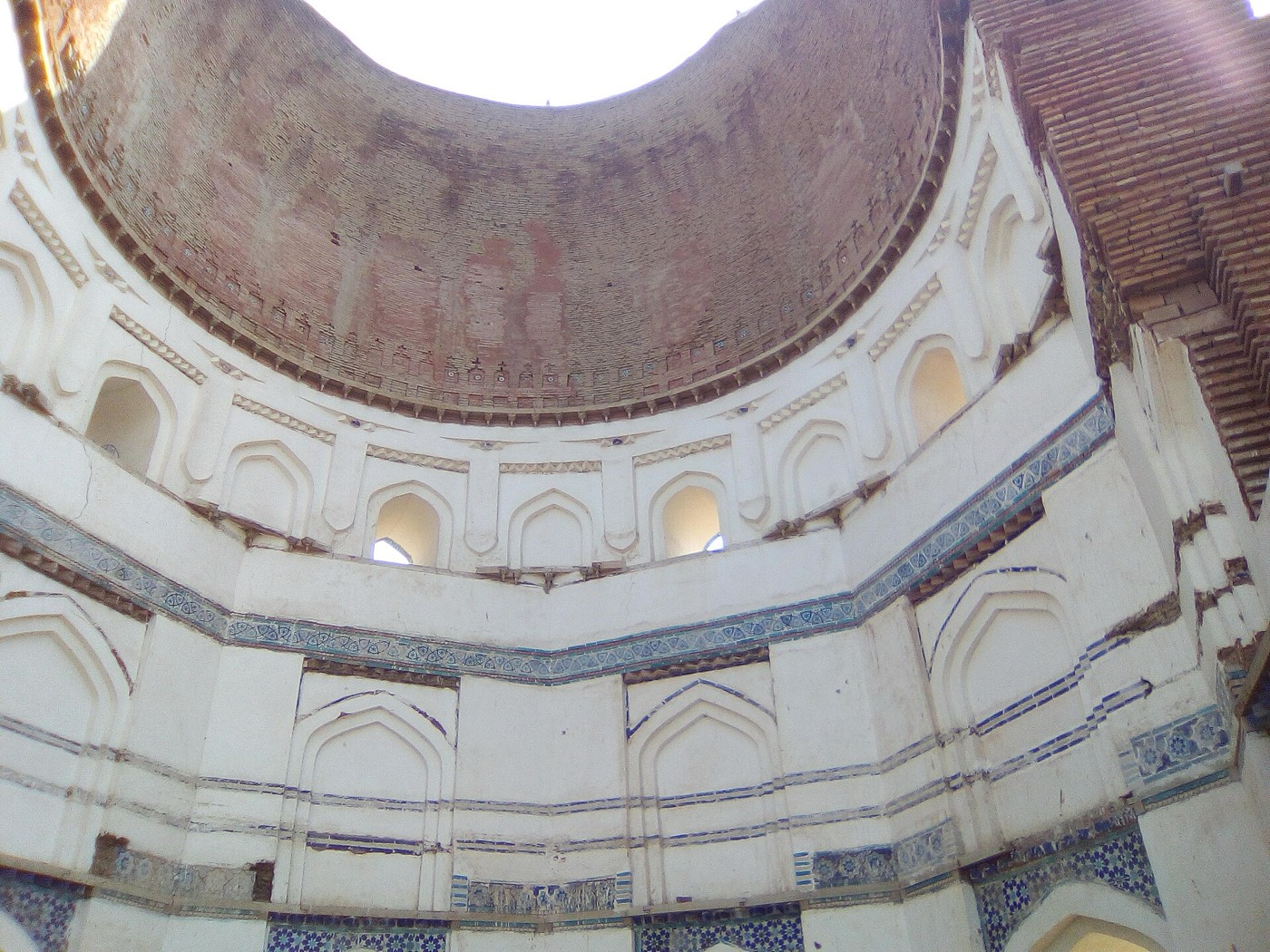
Inside
What to look for
- Eight tapering corner towers that buttress the battered octagonal walls1,2.
- Arched openings recessed in three stages inside frames of glazed tile2.
- Blue and white faience mosaic in the colours of the Multan school1,4.
- The eroded side, where the construction and interior decoration show from outside1.
- The neighbouring tombs of Baha al-Halim and Ustad Nuria, and Jalaluddin Bukhari's tomb and mosque1,3.
Visiting
- The tomb stands with the tombs of Baha al-Halim and Ustad Nuria and the tomb and mosque of Jalaluddin Bukhari at the south-west corner of Uch Sharif1,3.
- Uch Sharif lies in Bahawalpur District of Punjab2.
Official information: Department of Archaeology and Museums, Government of Pakistan: federal property protected under the Antiquities Act 1975DirectionsOpen in OpenStreetMapGuided tours in Uch Sharif