History
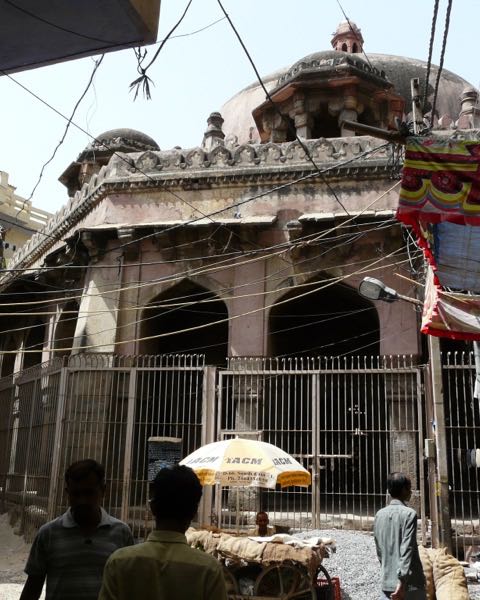
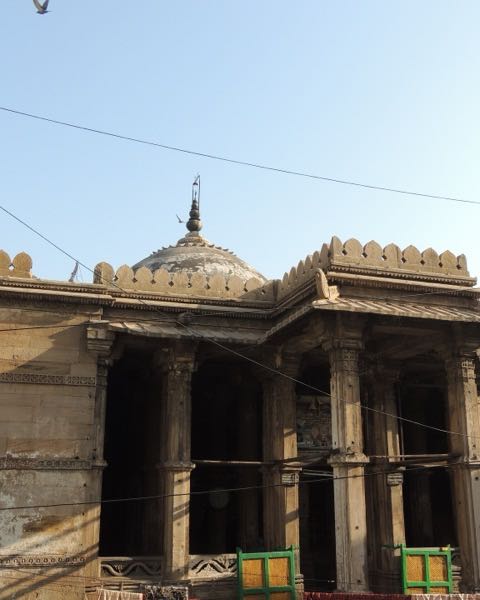
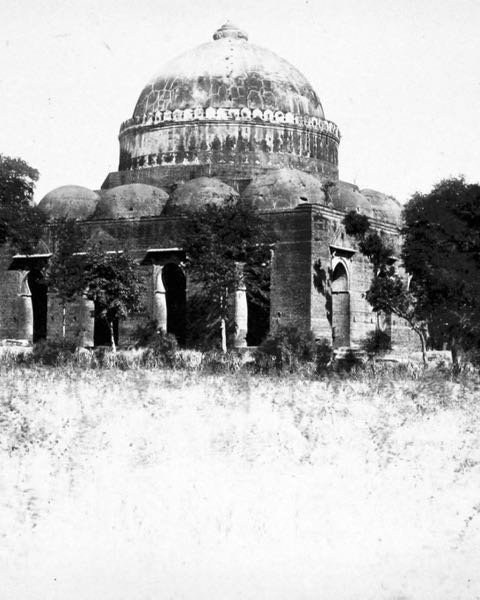
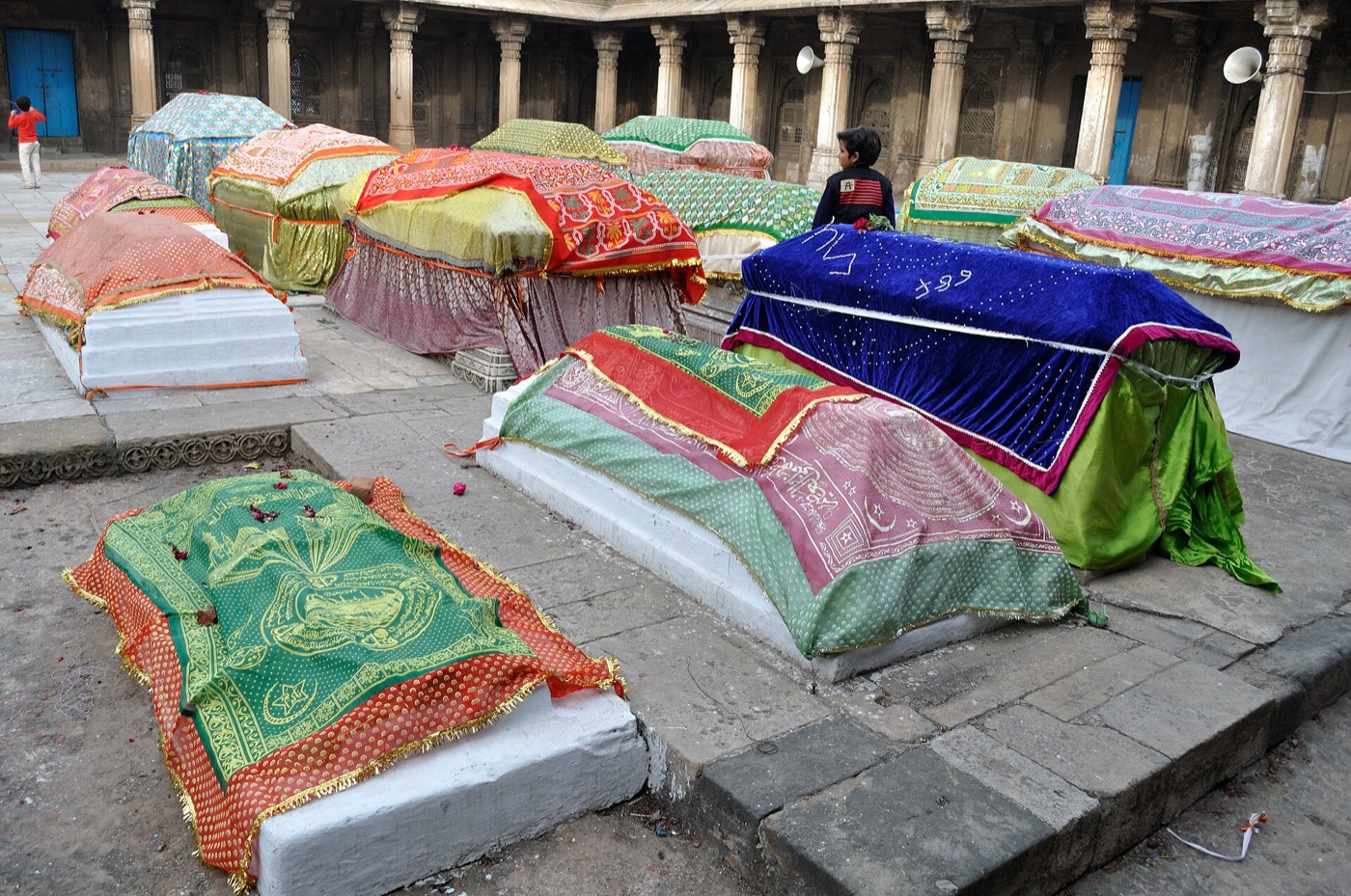
The complex lies in the Manek Chowk quarter of Ahmedabad, just east of the mausoleum of Sultan Ahmad I (r. 1411-1442), the city’s founder1,2. The Ahmedabad Municipal Corporation’s heritage portal dates it to 1445 and says it was made to hold the sultan’s queens2. The Bombay Gazetteer of 1879 says the principal tomb is that of Mughalai Bibi, and that a black marble tomb near it belongs to Murki Bibi, described there as an especial favourite; other tombs are grouped around1.
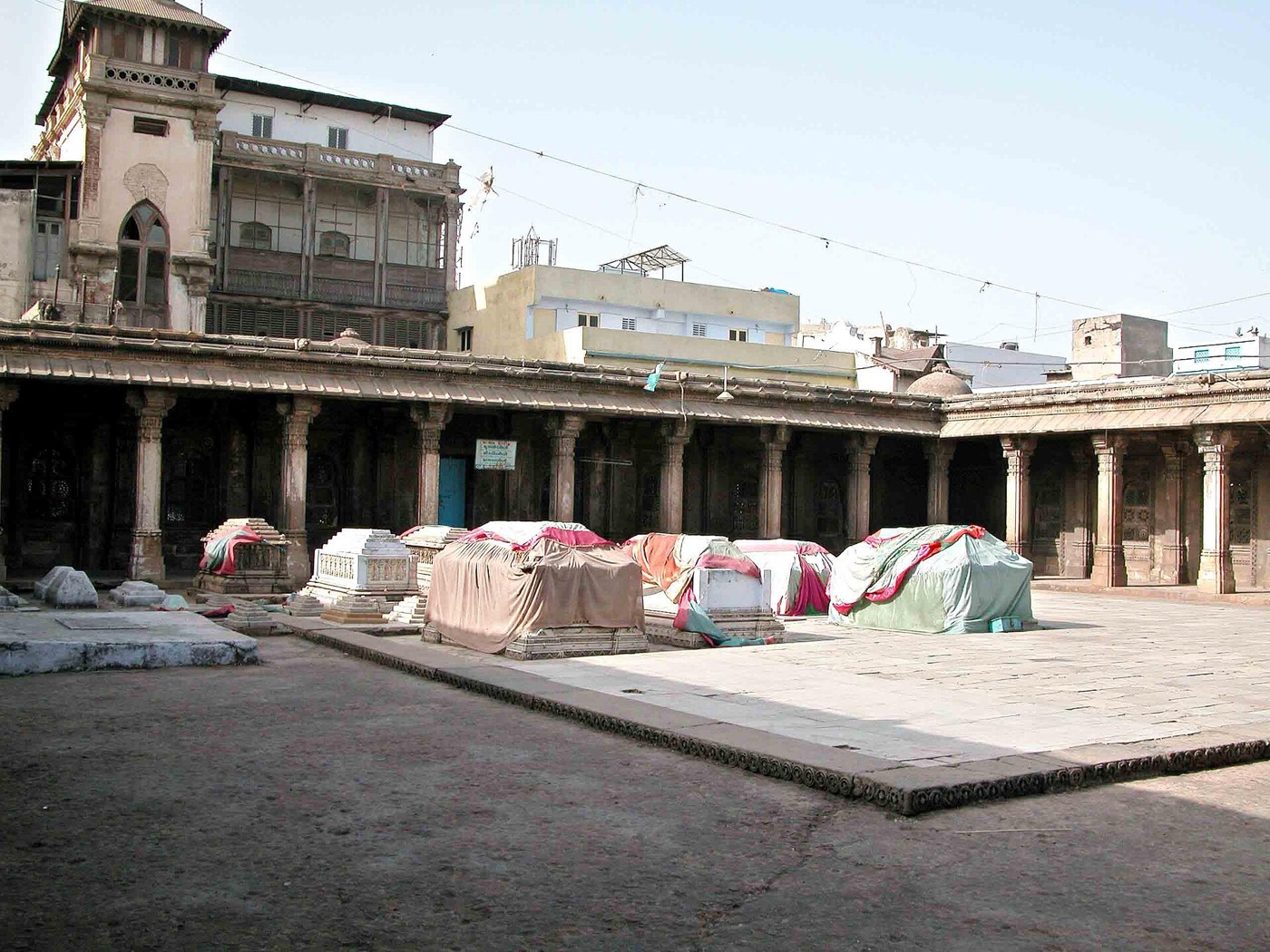
Today the courtyard is surrounded by a busy market for clothing, handicrafts and artificial jewellery, and the portal gives the complex’s alternative name as Mughlai Bibi’s Tomb2. Neither source describes any devotional use of the tombs. Some popular sources identify Mughalai Bibi as the wife of Muhammad Shah II and mother of Mahmud Begada; the Gazetteer instead calls the tombs those of Ahmad I’s queens1.
Architecture
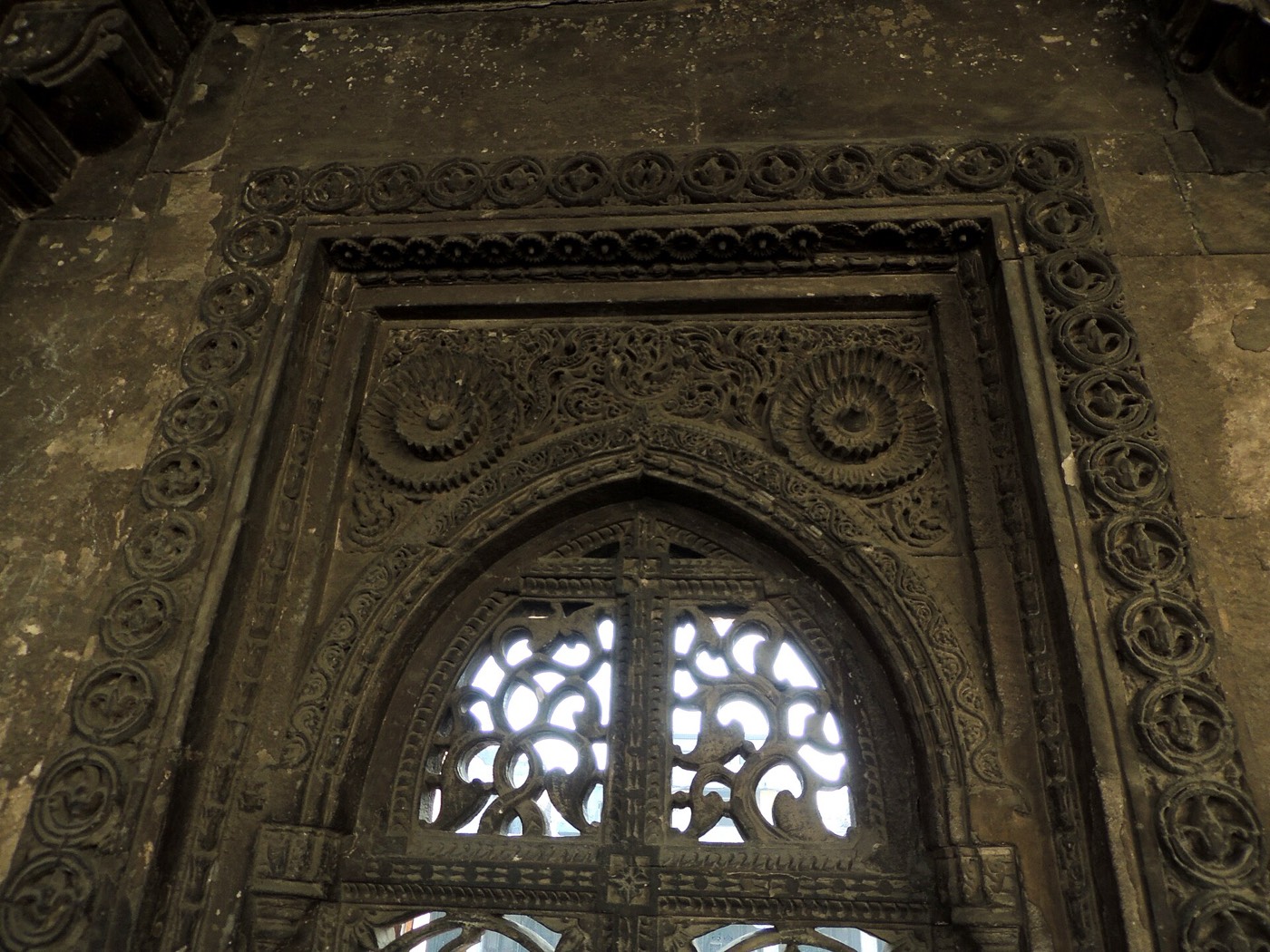
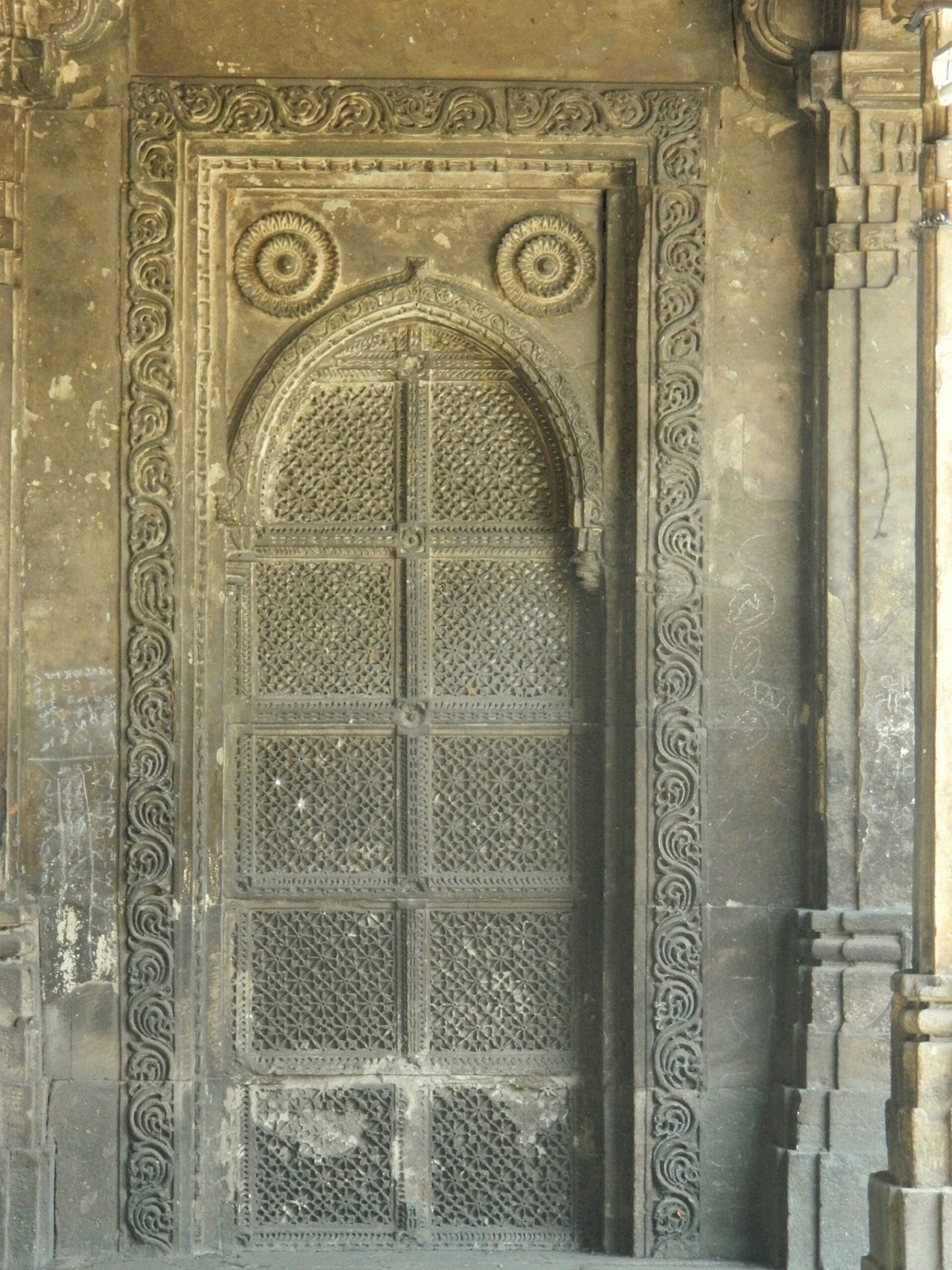
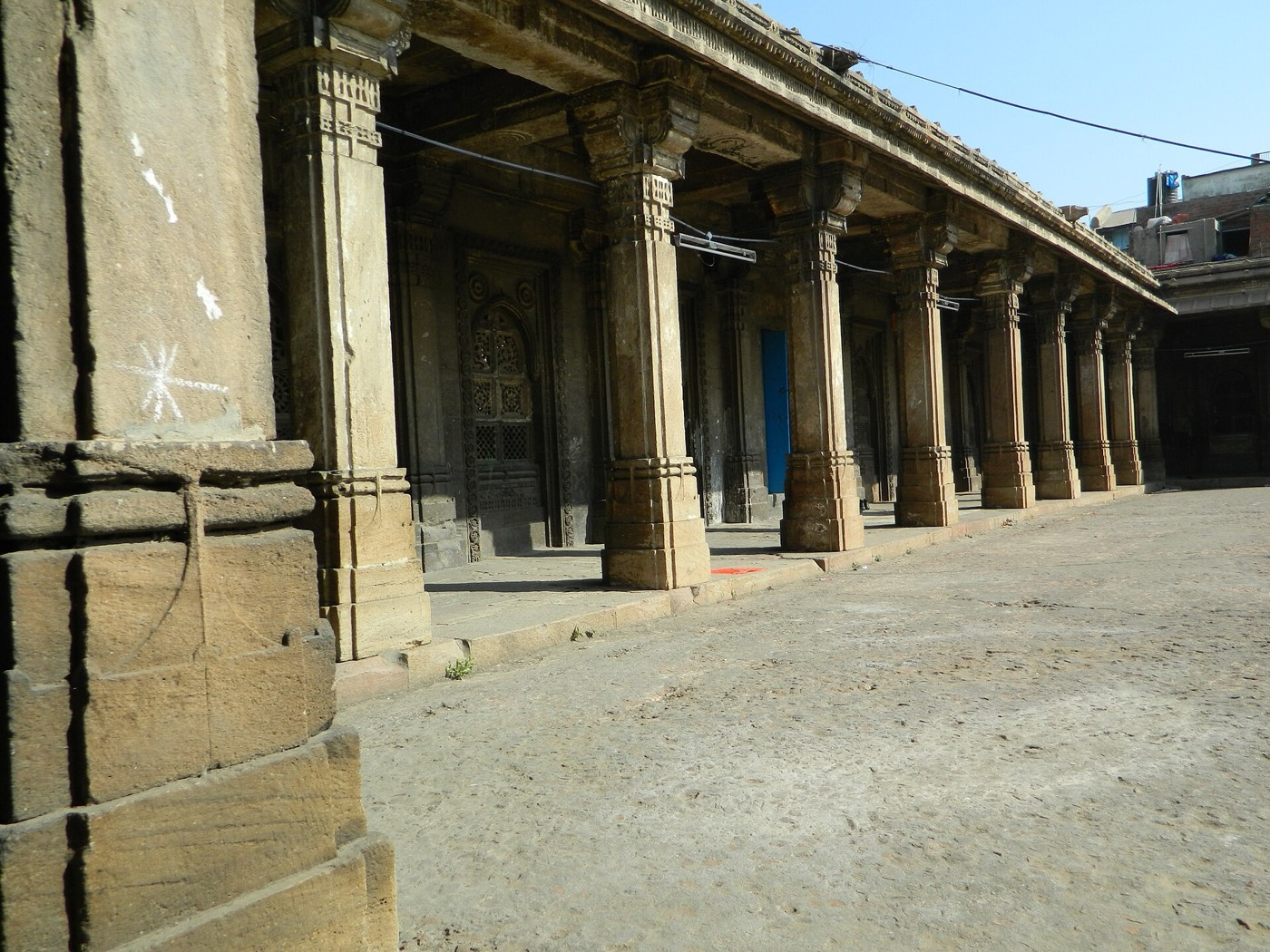
Visitors enter through a lofty gateway into an enclosure raised about ten feet above the street, as the Gazetteer describes; the portal gives the same height for the platform1,2. The open courtyard is about 98 feet square and is surrounded by a finely latticed cloister2. The Gazetteer calls the tombs beautiful works of art, graceful in form and detail1.
The principal tomb is of white marble, richly carved and girt with a Persian inscription in minute relief. The tomb of Murki Bibi is of black marble inlaid with mother-of-pearl1. The portal notes that the tombs look more delicate than the sultan’s mausoleum next door2.
Inside
What to look for
Visiting
- The tombs stand inside a working market2.
- The portal lists entry as free, with opening hours of 10:00 to 18:00 and a suggested visit of about 15 minutes2.
Official information: Ahmedabad Municipal Corporation heritage portalDirectionsOpen in OpenStreetMapGuided tours in Ahmedabad