Trip guides
Routes between the mausoleums of one city, with a map of each route and the straight-line distance between stops.
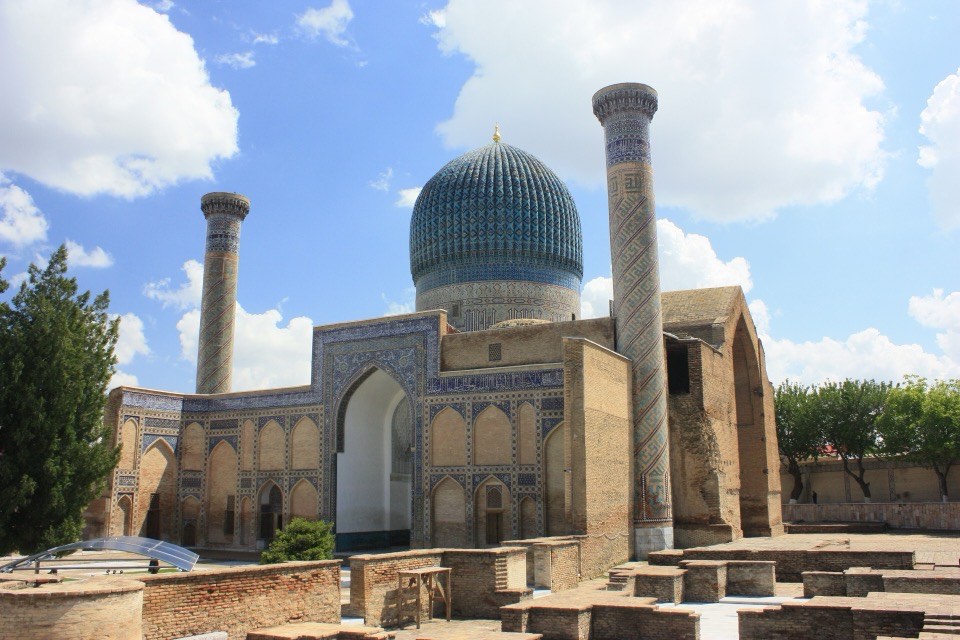 Samarkand in one daySix tombs in Samarkand, in walking order. From Shah-i-Zinda, a lane of tile-clad mausoleums, many of them for Timur’s family, the route passes the Bibi Khanym Mausoleum and reaches Gur-e-Amir, Timur’s own tomb, with two other tombs close by. It ends at Ishratkhana, about two kilometres to the east.
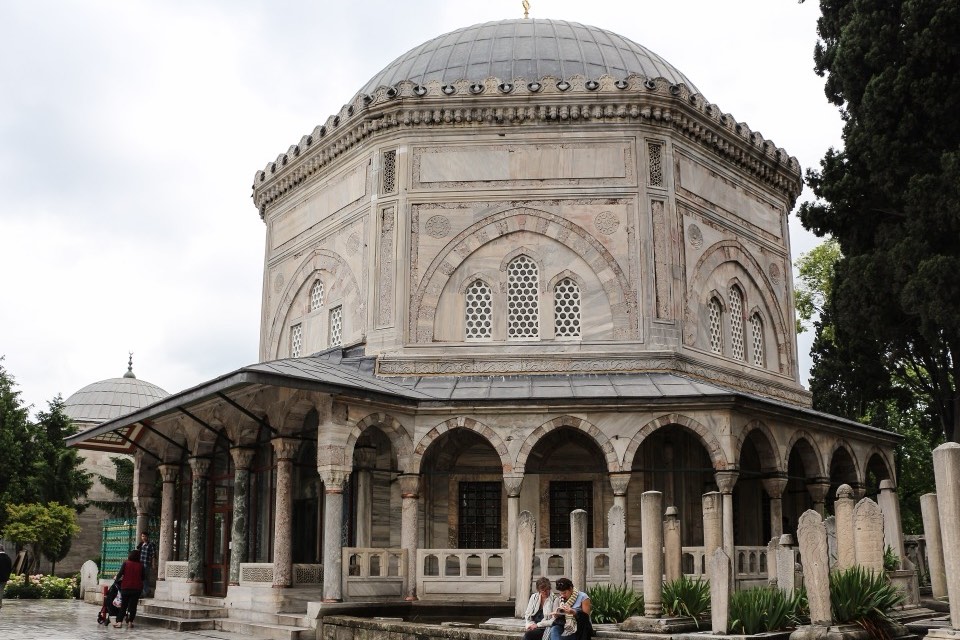 Istanbul’s türbes on footEighteen türbes, the tombs of Ottoman sultans, their families and their court, among them the admiral Barbaros Hayreddin, the grand vizier Sokollu Mehmed Pasha and the architect Sinan. Four walks cover the old city, from Hagia Sophia to the Fatih Mosque; two tombs lie further out, in Eyüp and Beşiktaş.
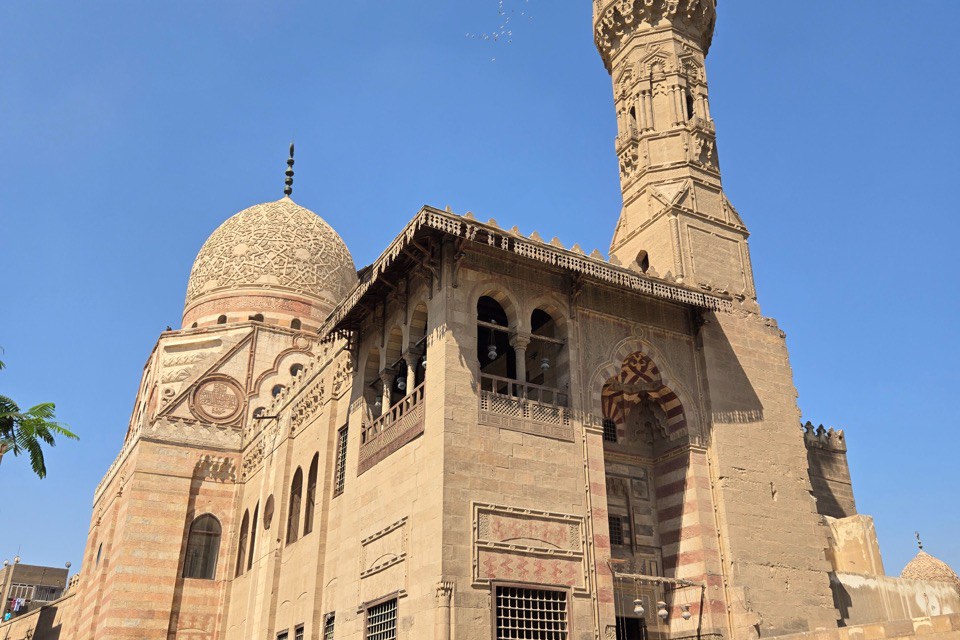 Cairo’s City of the Dead and the medieval cityEighteen tombs in Cairo, from the Ayyubid sultan al-Salih’s, built in 1249-1250, to the burial court of Muhammad Ali’s family, begun about 1808. Two walks lead through the cemeteries: the Northern Cemetery, where Mamluk sultans and amirs built their funerary complexes, and al-Khalifa Street on the way to the Southern Cemetery. Two more walks stay in the streets of medieval Cairo.
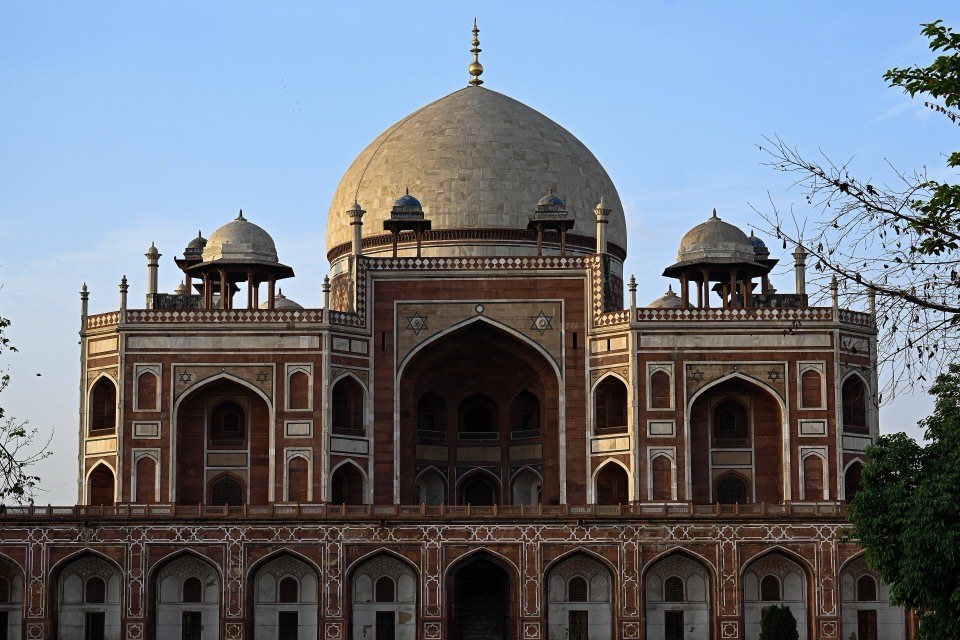 Mughal tombs of Delhi and AgraSixteen tombs in Delhi and Agra: fifteen from the Mughal period and one, Isa Khan Niyazi’s of 1547-48, from the reign of the Sur sultans. UNESCO calls Humayun’s Tomb the first of the grand Mughal dynastic mausoleums, a line that culminated in the Taj Mahal, and the ASI calls Safdarjung’s Tomb, of about 1754, the last example of that pattern.