History
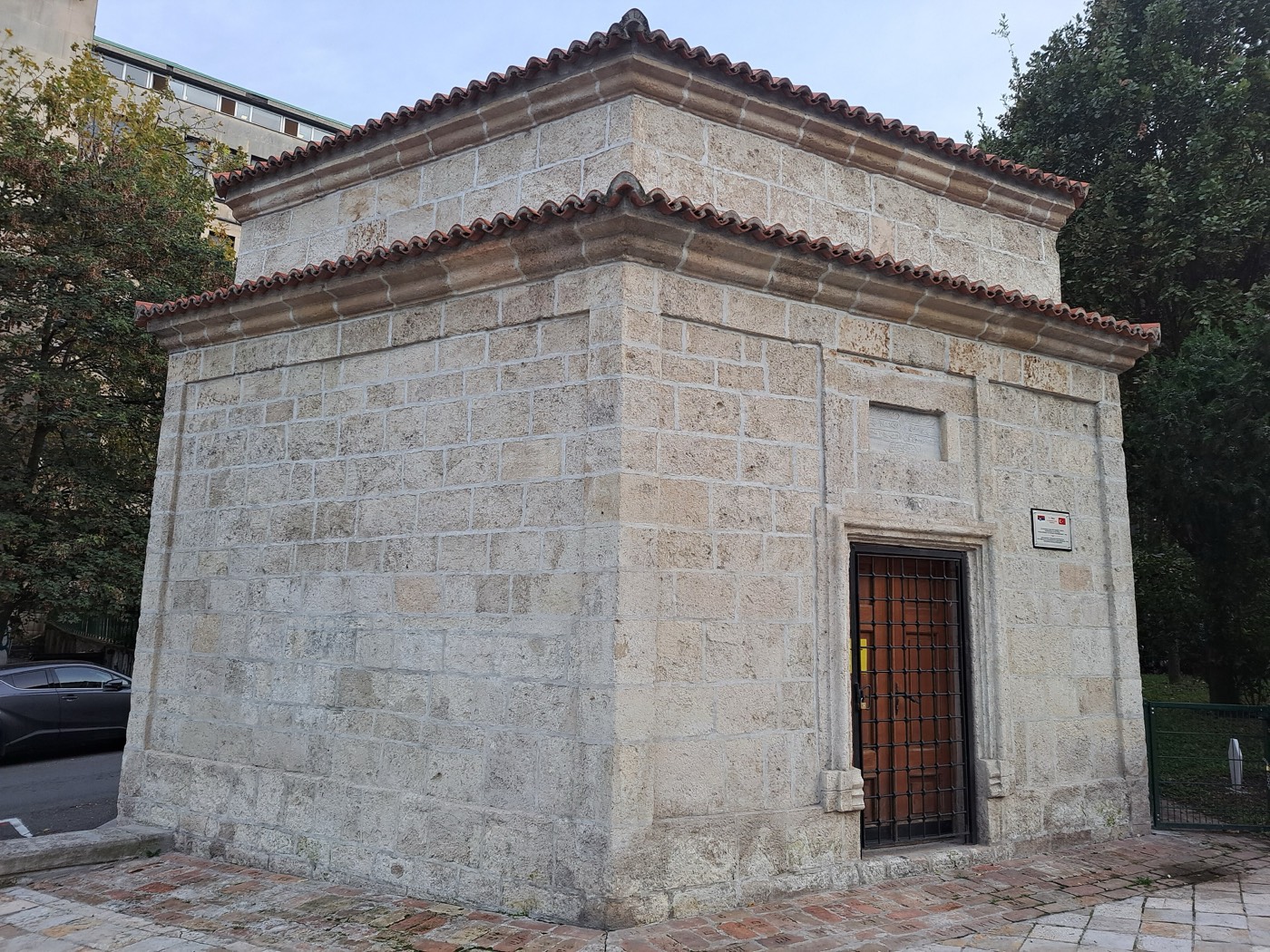
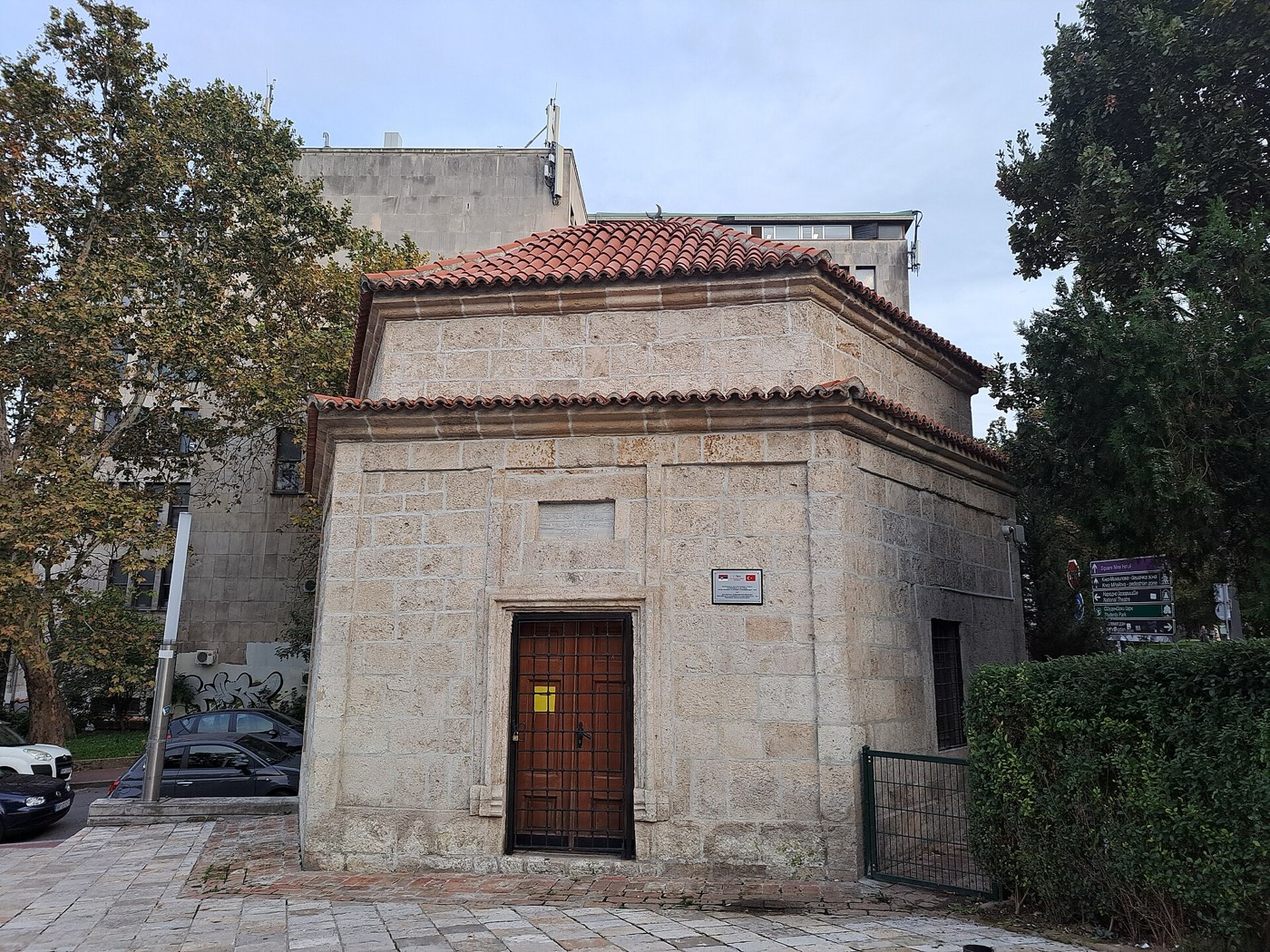
The türbe stands in Dorćol, below the Belgrade Fortress, at the corner of Višnjićeva and Braće Jugovića streets1,3. It was built in 1783-1784 over the grave of Sheikh Mustafa, head of a lodge (tekke) of the Sa'diyya Sufi order; Serbia's heritage register calls him Mustafa 'of Baghdad'1,3,4. TİKA notes that nothing on the türbe now records its building and, drawing on records, names the founder as the kaymakam Hüsnü Efendi; the register gives Hasni Efendi, deputy of the vizier1,3,4. Two other dervishes, Orsanli Mehmed Baba and Hatenćeli Hadži Omer Baba, are buried in it as well1.
The lodge beside the türbe, a building used for dervish rites, has gone, and only the türbe survives1,4. It was placed under protection in 1948 and again by a decision of the Belgrade institute in 1962, and in 1979 it was declared a cultural property of great importance; it was entered in Serbia's central register as SK 9 in 19811,2. TİKA began talks on its restoration in 2006 and signed a protocol with the City of Belgrade about five years later4. Its report for 2013 lists the repair of the türbe and its surroundings, and counts the building as one of the two Ottoman türbes left in Belgrade3.
Architecture
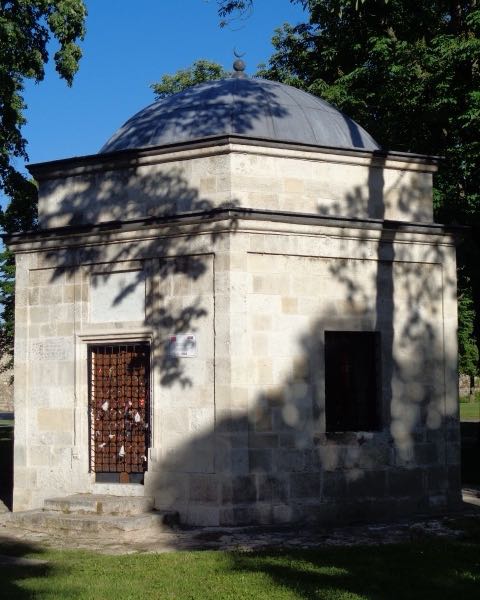
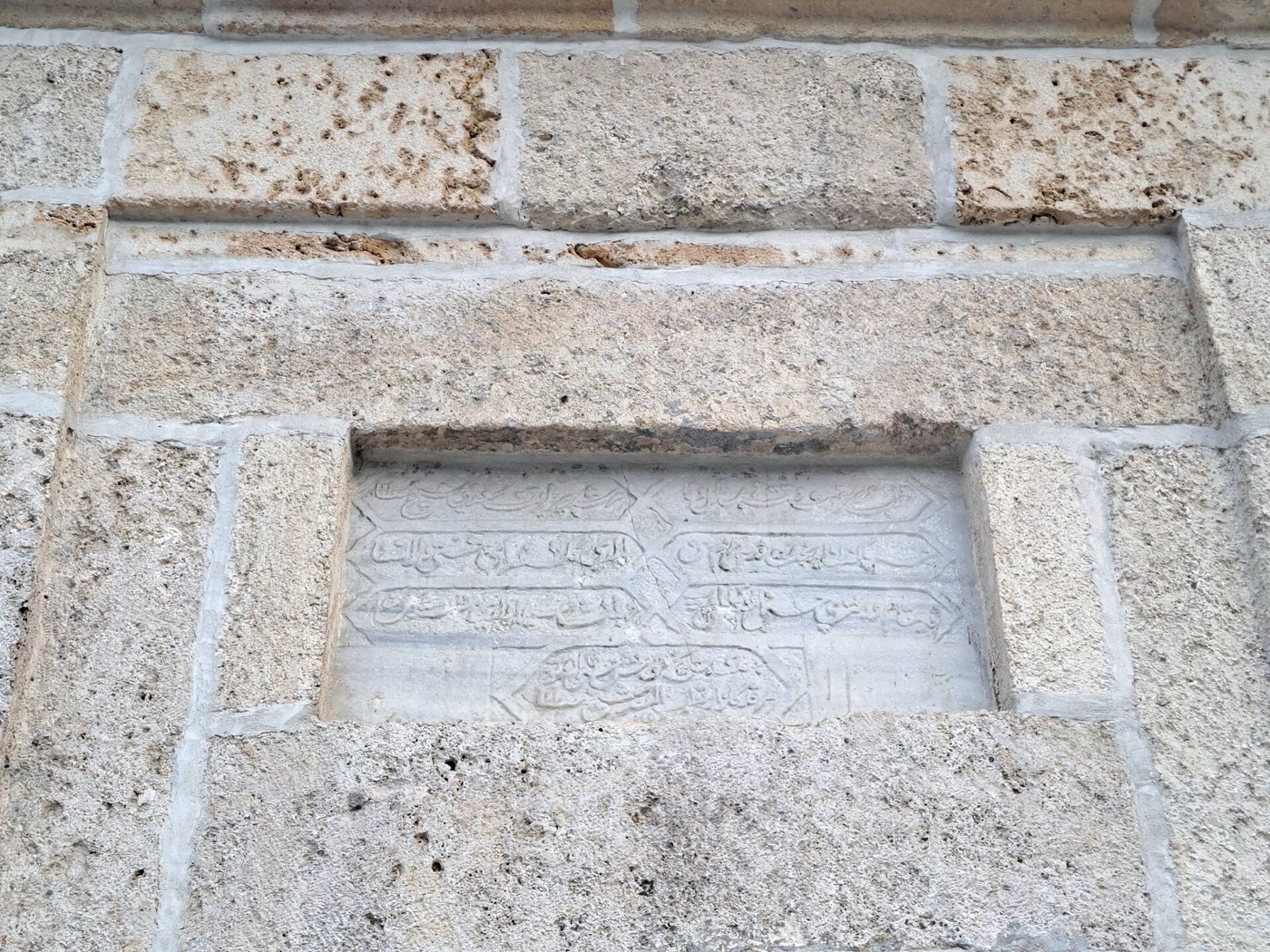
The register describes a building on the plan of a regular hexagon with sides 4.9 m long, carrying a drum of the same hexagonal plan on which a round dome rests; the whole türbe is 8.5 m high1. It is built of stone, and the stone frame around the door and the cornices above the walls and above the drum are profiled1. The register mentions an inscription on a plaque above the entrance naming Sheikh Mustafa, while TİKA reports that the building inscription is no longer on the türbe1,3,4.
Inside
What to look for
- The regular hexagonal plan, 4.9 m a side, rising to 8.5 m1.
- The profiled stone door frame and the cornices above the walls and the drum1.
- The panel above the entrance, where the register records an inscription naming Sheikh Mustafa1.
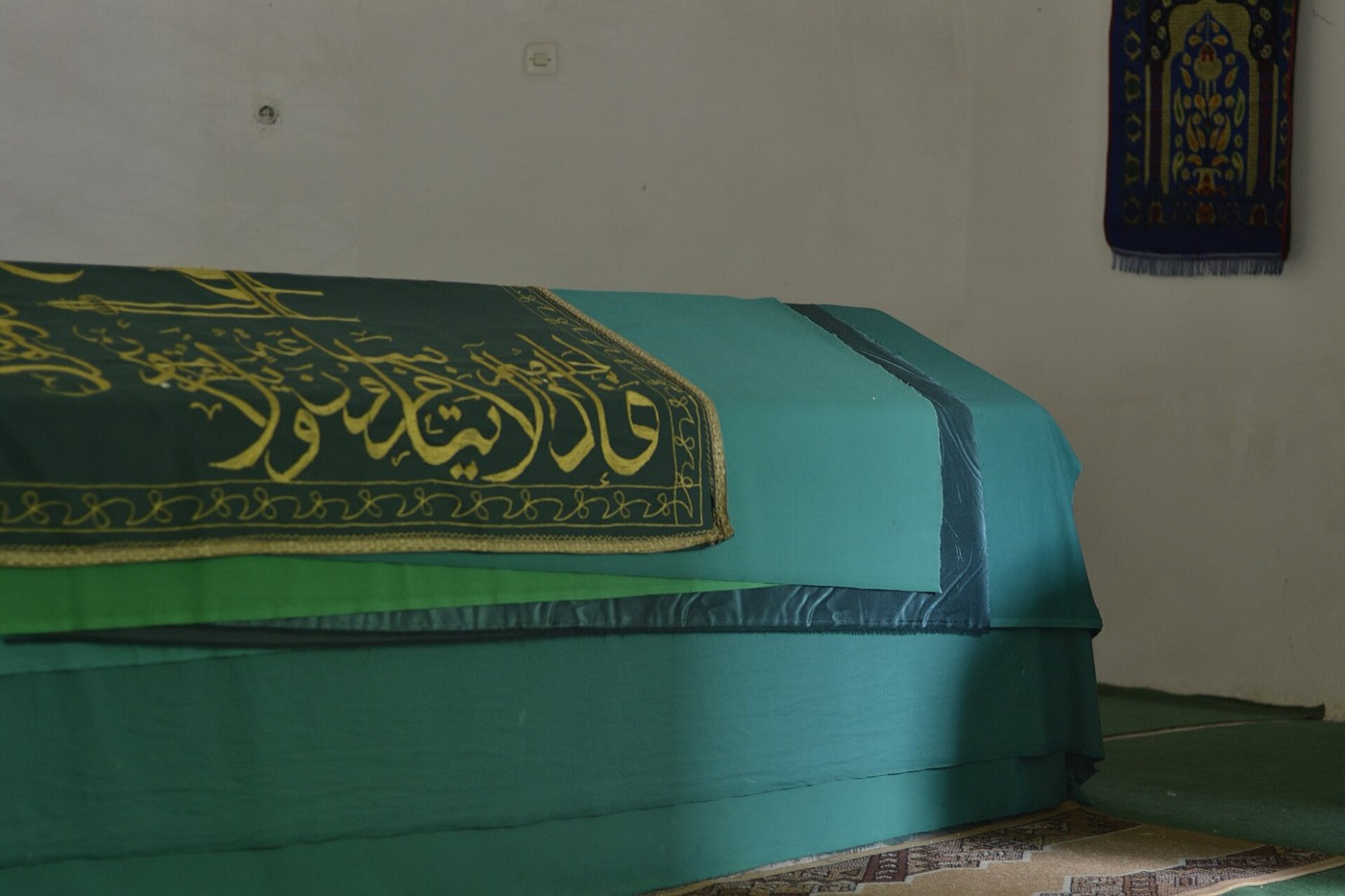
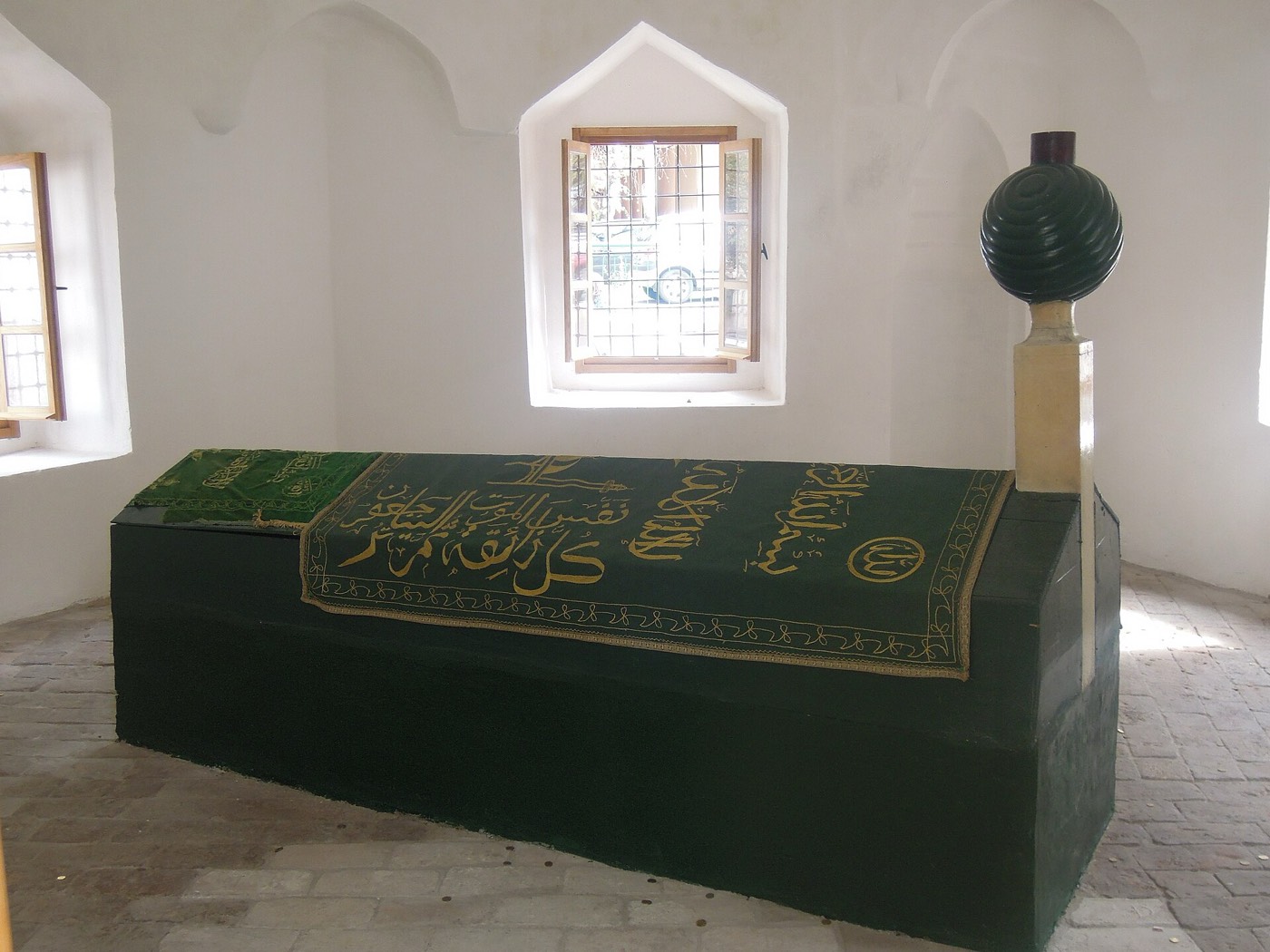
- The covered cenotaph in the middle of the room and the Quranic inscriptions on the walls1.
Visiting
- The türbe is at Višnjićeva 1, on the corner of Braće Jugovića street, in the Stari Grad municipality1,2.
- It is a cultural property of great importance under Serbian law1,2.
- TİKA reports that Bosniaks, Serbs and Roma visit the türbe, especially on holidays, and that volunteers keep it clean3.
Official information: Institute for the Protection of Cultural Monuments of the City of Belgrade (Завод за заштиту споменика културе града Београда), which keeps the local register; Serbia's central register entry SK 9DirectionsOpen in OpenStreetMapGuided tours in Belgrade